Goal
Convert carbon dioxide and water directly into usable liquid hydrocarbon fuels.
Problem
Atmospheric CO_2 emissions and the need for renewable, drop-in liquid fuels for transportation.
Concept Summary
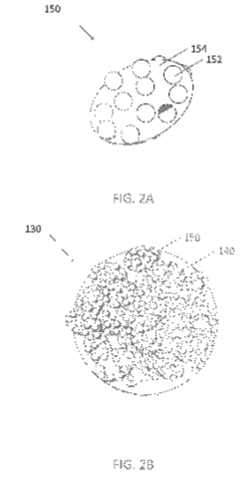
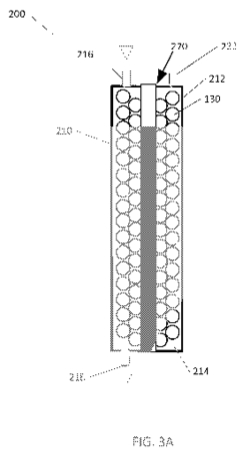
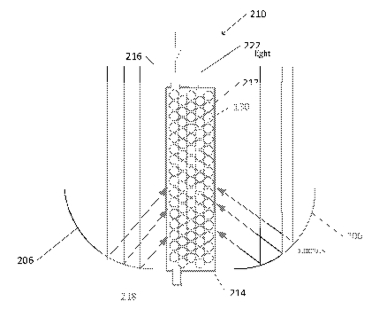
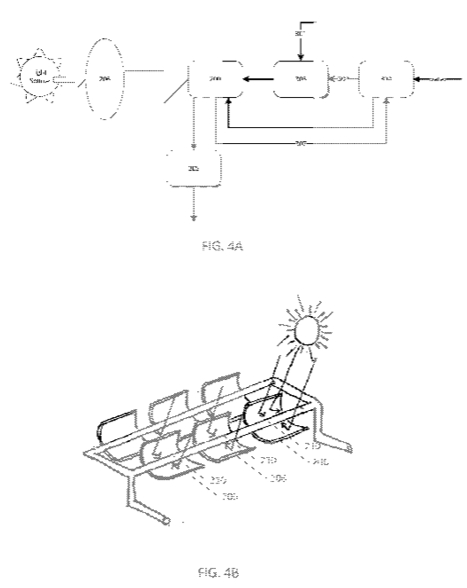
A single-stage photothermochemical process that uses concentrated sunlight (photochemical excitation) and heat (thermochemical reaction) in a flow reactor at 180-200 deg C and 1-6 bar to reduce CO_2 and H_2O to C_5^+ liquid hydrocarbons and O_2, employing a TiO_2-based catalyst doped with cobalt and other additives.
Principles
- Photocatalysis
- Thermochemistry
- Solar concentration
Scientific Domains
Materials
- Titanium dioxide (TiO_2)
- Cobalt (Co) on TiO_2
- Hygroscopic salts (e.g., phosphates, sulfates)
- Redox-active metal salts (e.g., Mn, Fe, Co, Ni salts)
Mechanisms of Action
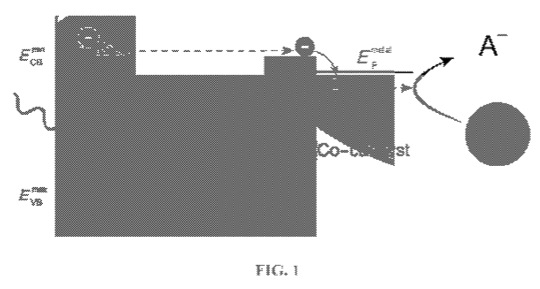
- Photochemical excitation of TiO_2 to generate high-energy intermediates
- Thermal carbon-chain formation driven by elevated temperature and pressure
- Coupled water oxidation and CO_2 reduction
Energy Sources
Applications
- Renewable gasoline, diesel, and jet fuel
- Carbon-neutral fuel cycle
- Solar-driven chemical production
Claimed Performance
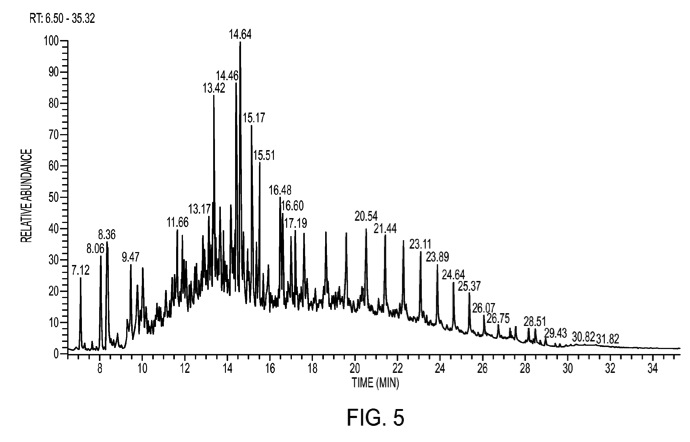
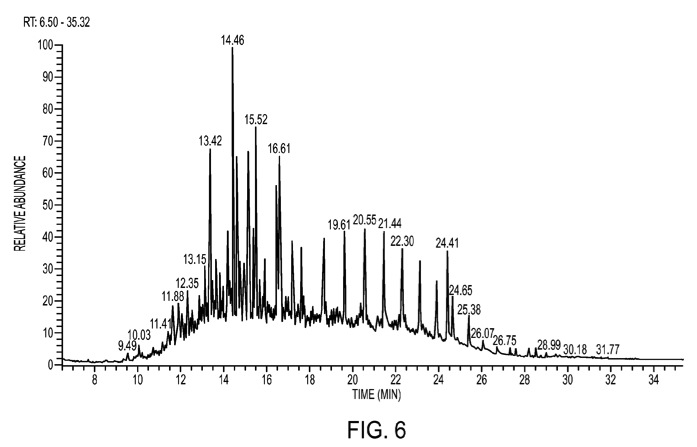
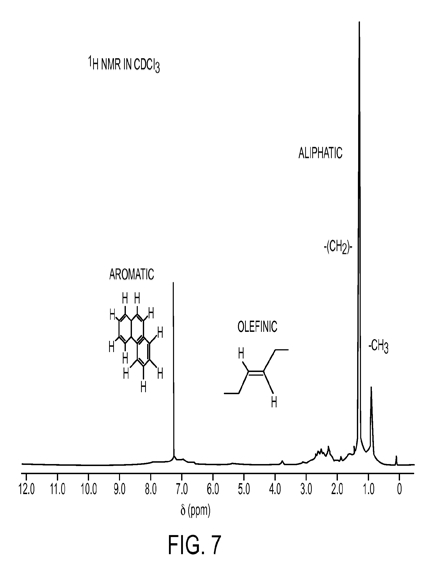
In the best laboratory run, >13 % by mass of the product stream were C_5^+ hydrocarbons (e.g., octane) and O_2 yields ranged from 64 % to 150 % of the theoretical maximum.
Experimental Evidence
Demonstrated in a gas-phase flow photoreactor at 180-200 deg C and 1-6 bar using a 5 % Co/TiO_2 catalyst under UV irradiation; product distribution shifted to higher carbon numbers with increased temperature and pressure.
Replication Status
Only reported by the original research team; no independent replication or commercial scaling documented.
Limitations
- Low hydrocarbon yield (13 % mass) - not yet commercially viable
- Requires elevated temperature and pressure
- Current catalyst absorbs only UV portion of solar spectrum
- Scale-up and continuous operation not demonstrated
Red Flags
- Potential overstatement of near-term commercial viability