Goal
Convert silver (and other base metals) into elemental gold using historical alchemical recipes.
Problem
Scarcity and cost of gold; desire to produce gold without mining.
Concept Summary
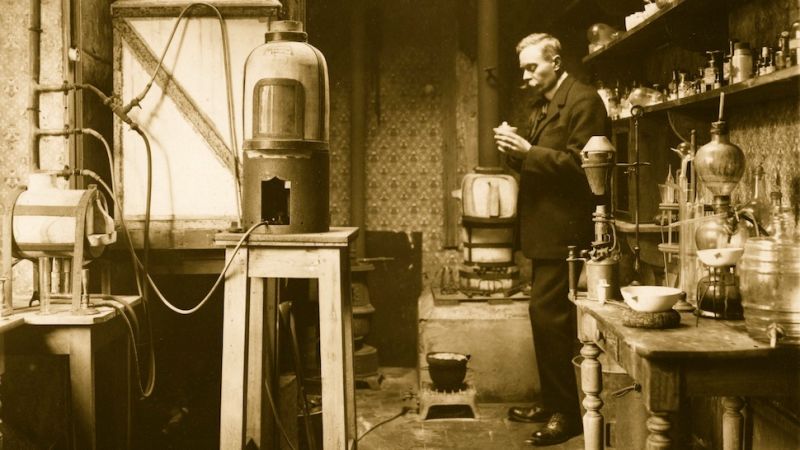
The article compiles several historical alchemical recipes that claim to transmute silver into gold. The methods involve high-temperature furnaces, mixtures of iron filings, sulfur, borax, arsenic compounds, and acids, as well as photochemical exposure to sunlight. After heating and chemical reaction, the product is treated with nitric acid to precipitate gold. The procedures are presented as anecdotal historical evidence rather than modern experimental data.
Principles
- High-temperature reduction
- Acid dissolution and precipitation
- Photochemical reduction
- Redox reactions involving arsenic and sulfur
Scientific Domains
Materials
- Silver
- Iron filings
- Colophony resin
- Red sulfur
- Borax
- Red arsenic (realgar/orpiment)
- Nitric acid
- Sulfuric acid
- Zinc
- Copper
- Alumina
- Silica
- Ozone (as a catalytic species)
- Gold (trace impurity)
Mechanisms of Action
- Thermal decomposition of metal sulfides
- Reduction of silver ions by arsenic-rich mixtures
- Precipitation of gold by nitric acid (water of separation)
- Solar irradiation to drive photochemical reduction
Energy Sources
Applications
- Jewelry manufacturing
- Financial gold reserves
Claimed Performance
The recipes claim to produce observable amounts of gold from silver, sometimes described as "1 grain transmuted 3-1/2 lott of any imperfect metal into pure gold" or "1 part transmuted and fixed 1680 parts".
Experimental Evidence
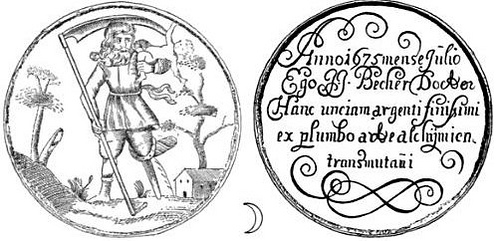
Historical anecdotes, illustrations of medallions, and written memoirs from the 17th-19th centuries; no modern peer-reviewed data.
Replication Status
No documented modern replication; only historical claims.
Limitations
- Use of highly toxic arsenic and strong acids
- Very low and uncertain gold yield
- Lack of reproducible experimental data
- Historical methods may not be compatible with modern safety standards
Red Flags
- Reliance on anecdotal historical accounts
- Absence of quantitative results or peer-reviewed verification
- Potential for hazardous chemical exposure