Goal
Produce an ideal synthetic fuel from low-grade hydrocarbons that can run internal-combustion engines with higher efficiency and lower emissions.
Problem
Dependence on conventional oil, high fuel costs, and pollution from combustion engines.
Concept Summary
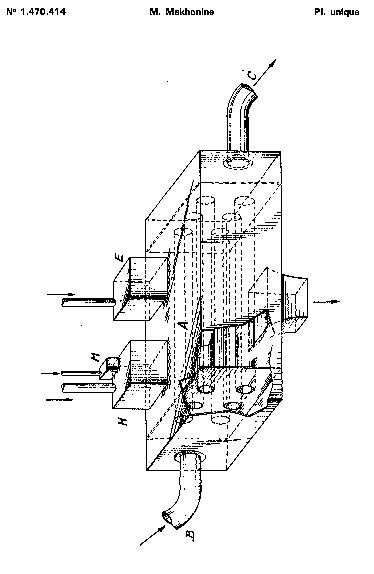
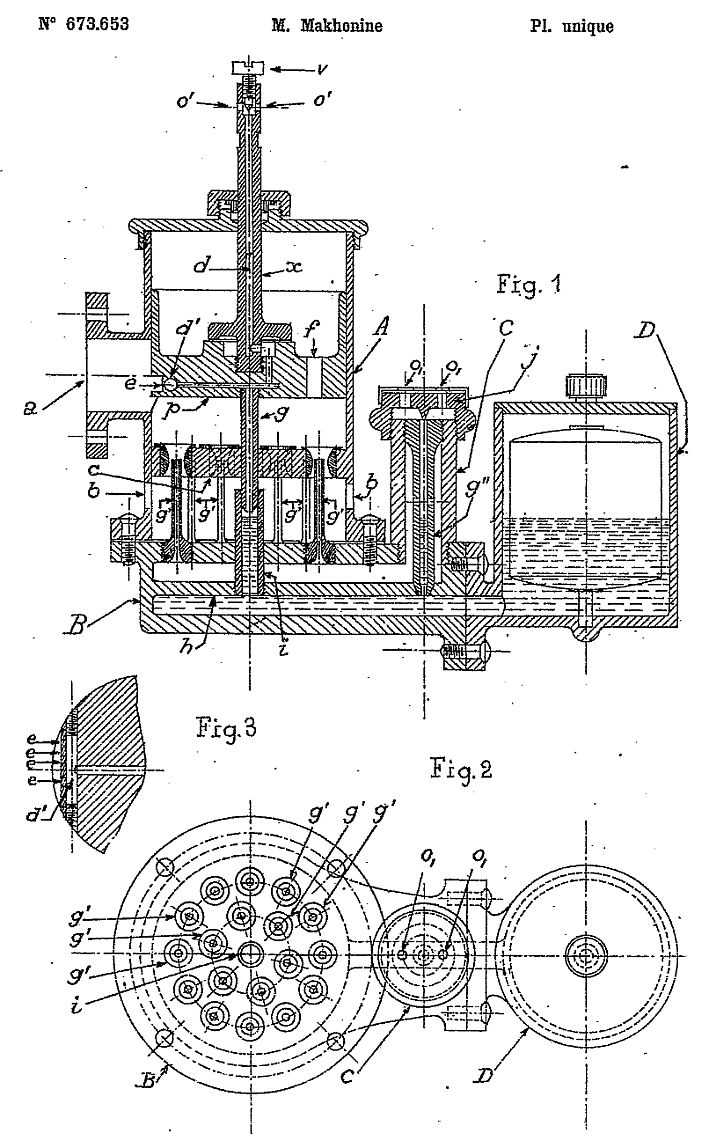
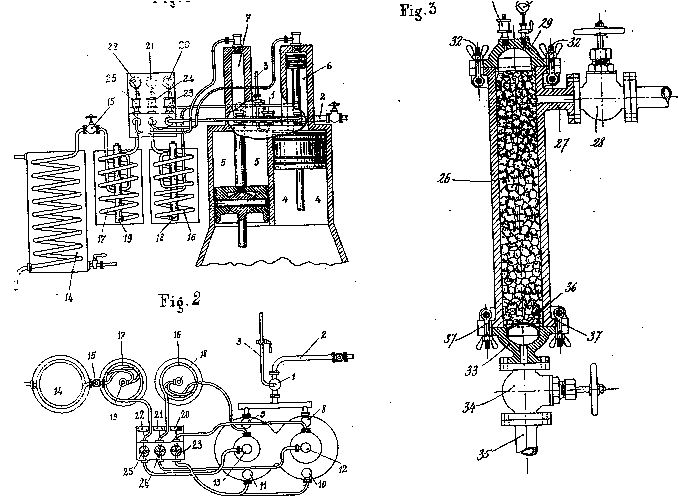
A mechanical process that compresses heavy liquid fuels (coal tars, crude oil, vegetable oils, etc.) in multiple adiabatic stages, optionally adds hydrogen, and uses cooling coils and condensers to reform the hydrocarbons into a denser, sprayable fuel with improved combustion characteristics.
Principles
- Multi-stage adiabatic compression
- Temperature rise due to pressure increase
- Hydrogenation of unsaturated hydrocarbons
- Condensation of reformed vapors
- Catalytic or non-catalytic cracking
Scientific Domains
Materials
- Heavy liquid fuels (coal tars, crude oil, vegetable oils)
- Hydrogen gas
- Refrigerant fluid
- Catalyst (unspecified)
- Steel / metal cylinders
Mechanisms of Action
- High-pressure compression of fuel-gas mixtures
- Thermal decomposition of heavy hydrocarbons
- Hydrogen absorption into unsaturated molecules
- Condensation of heavier hydrocarbon products
Energy Sources
Applications
- Internal combustion engines for automobiles
- Marine and aviation propulsion
- Locomotive power systems
Claimed Performance
Yield of approximately 95 % crude oils and coal tars converted to the synthetic fuel; engines running the fuel show higher efficiency, no visible smoke, and a pleasant odor.
Experimental Evidence
According to witnesses the fuel was used successfully in automobiles, trucks, boats, and aircraft from 1918 to 1927; the locomotive built by Makhonine produced a thick smoke that could be condensed into fuel.
Limitations
- Exact secret of the process is undisclosed
- Lack of quantitative performance data
- No independent replication documented
Red Flags
- Claims based on anecdotal witness reports
- No peer-reviewed publications or experimental data
- Secret proprietary method limits verification