Goal
Treat malaria with a single dose, prevent disease spread, and provide prophylactic protection.
Problem
Malaria infection and drug-resistant Plasmodium parasites.
Concept Summary
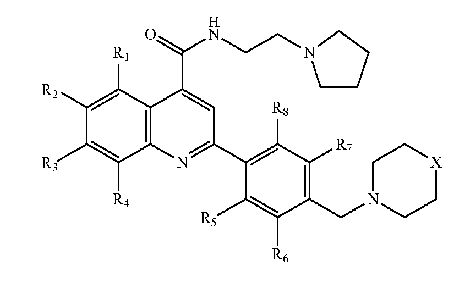
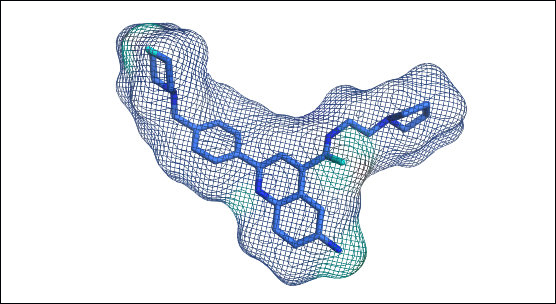
DDD107498 is a novel quinoline-4-carboxamide compound that inhibits the protein-synthesis machinery of Plasmodium parasites across all life-cycle stages, enabling a single-dose oral therapy that clears blood and liver infections and blocks transmission.
Detailed Description
The compound was discovered by the Drug Discovery Unit at the University of Dundee in collaboration with Medicines for Malaria Venture. In mouse and other animal studies the drug cleared parasites from both blood and liver, targeting a protein involved in the production of vital enzymes within the parasite. It acts on multiple life stages, including gametocytes, giving it transmission-blocking potential. The invention also covers processes for synthesising the quinoline-4-carboxamide core and related intermediates. Results have been published in Nature and first-in-human clinical trials are planned.
Principles
- Inhibition of parasite protein synthesis
- Targeting a conserved protein involved in enzyme production
- Single-dose pharmacokinetics
Scientific Domains
Materials
- Quinoline-4-carboxamide compound (DDD107498)
- Synthetic intermediates for quinoline-4-carboxamide
Mechanisms of Action
- Binds to a protein essential for parasite protein production
- Disrupts enzyme synthesis across blood, liver and gametocyte stages
Applications
- Treatment of acute malaria infection
- Prophylactic protection against malaria
- Transmission-blocking in endemic regions
Claimed Performance
Single-dose cure of malaria, effective against drug-resistant strains, blocks transmission, and can be produced for <$1 per dose.
Experimental Evidence
Mouse and other lab-animal tests showed complete parasite clearance from blood and liver; results published in Nature; first phase clinical trials announced.
Replication Status
Results published in Nature; pre-clinical animal data available; human trials pending.
Limitations
- Only pre-clinical data available; human safety not yet demonstrated
- Manufacturing scale-up and regulatory approval pending