Goal
To stimulate biological processes, enhance immune function, and promote healing throughout the human body using linearly polarized light.
Problem
Skin wounds, arthritis, sports injuries, immune deficiencies, fatigue, and general health deterioration.
Concept Summary
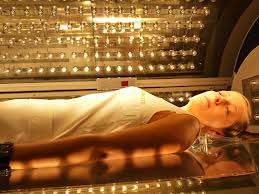
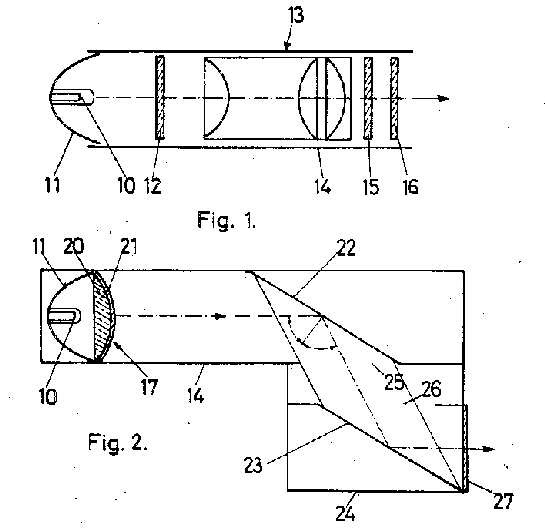
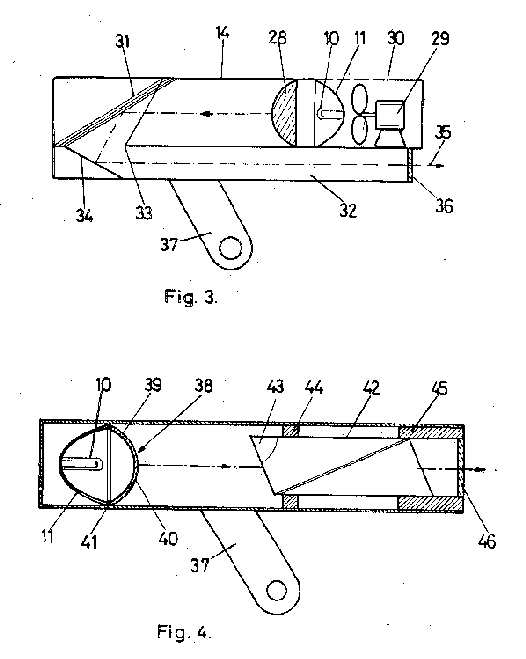
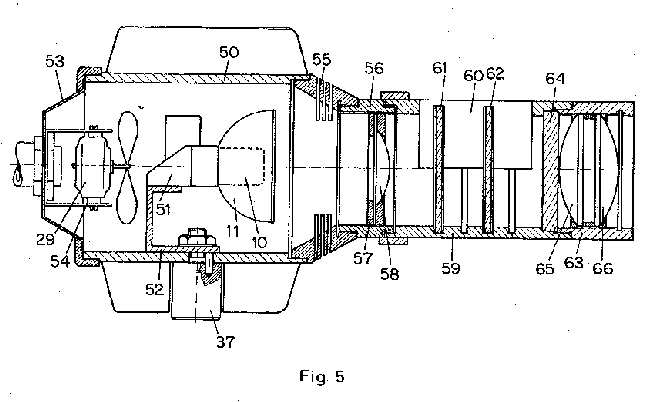
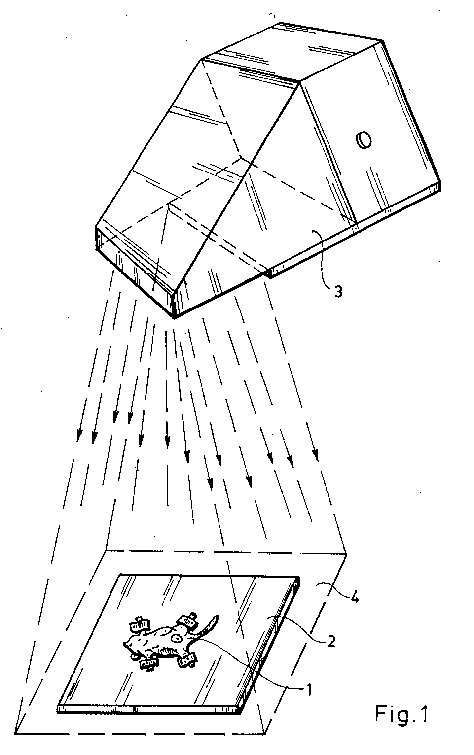
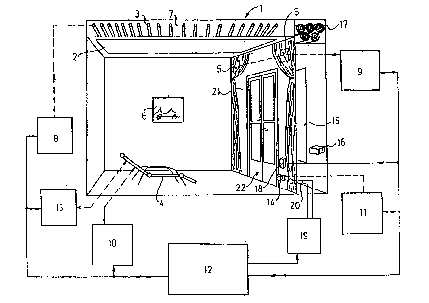
A lighting unit that uses high-intensity LEDs combined with a linear polarizing filter to emit linearly polarized visible/near-infrared light onto the body. The light penetrates ~1 cm into tissue, enters the bloodstream via capillaries, and delivers systemic biological stimulation, improving immune cell activity, oxygen transport, and overall cellular function.
Principles
- Linear polarization of light
- Photobiomodulation (light-induced cellular stimulation)
- LED solid-state lighting
Scientific Domains
Materials
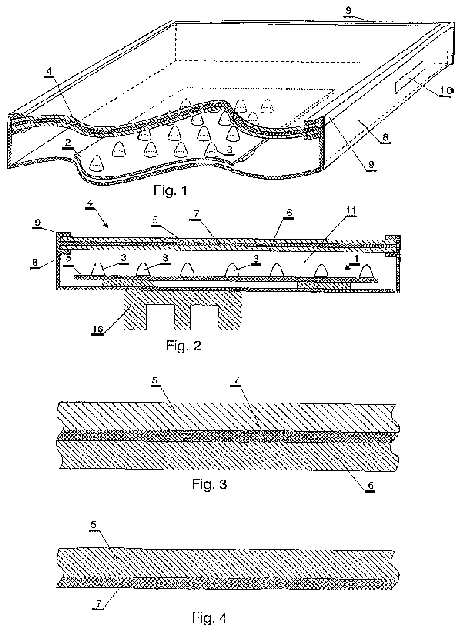
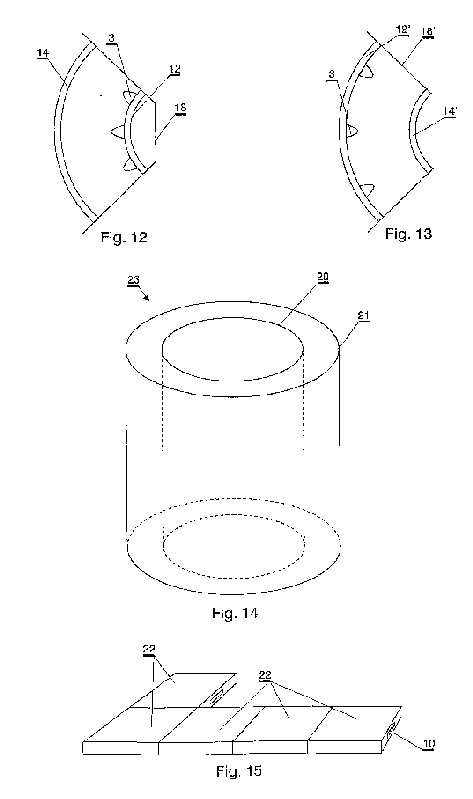
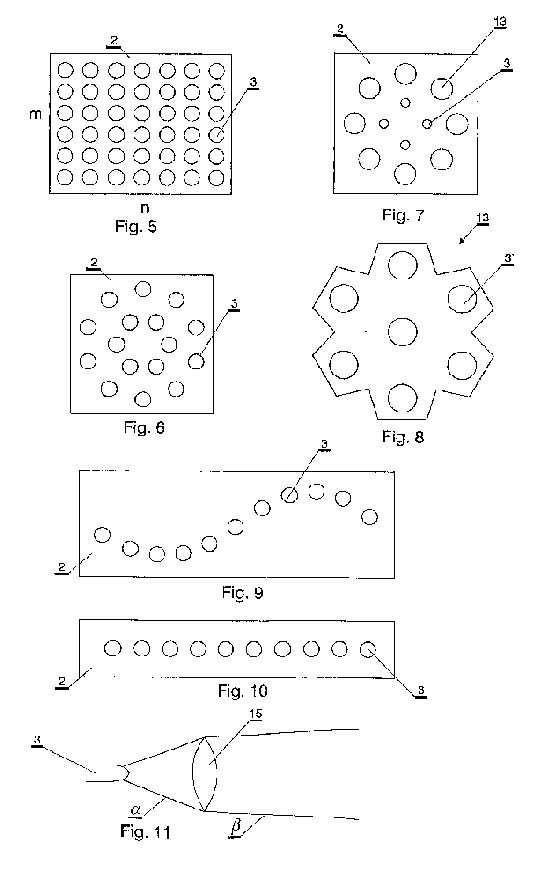
- High-intensity LED devices
- Polarizing filter foil
- Optically transparent rigid carrier (e.g., glass or polymer)
- Metal housing (heat-conductive)
- Heat-insulating paint
Mechanisms of Action
- Polarized photons penetrate skin and affect cell membranes
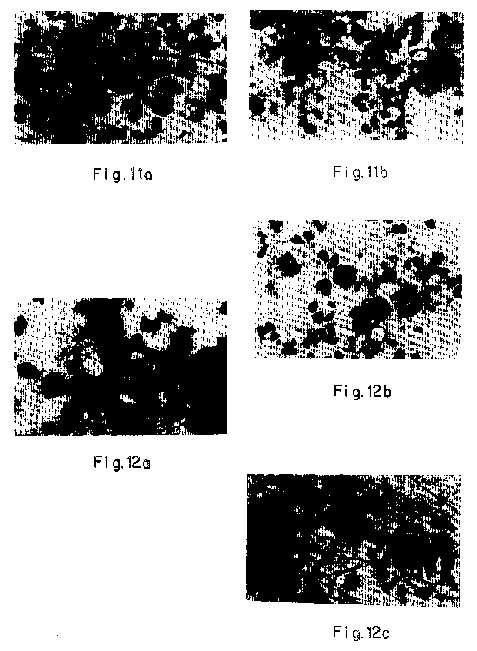
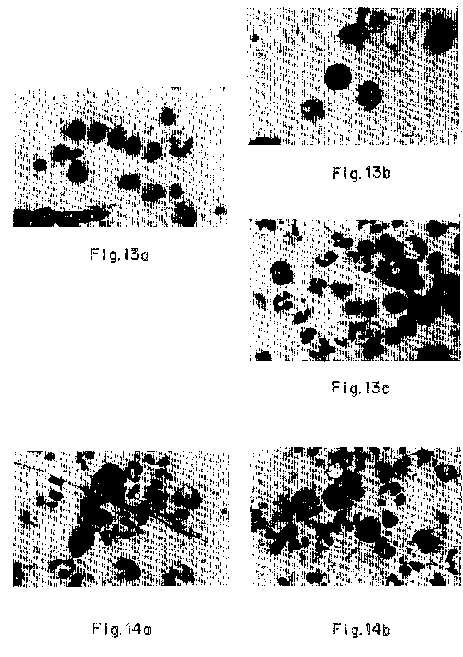
- Enhanced T-lymphocyte activity
- Increased oxygen binding of red blood cells
- Systemic distribution via blood circulation
Energy Sources
Applications
- Wound healing
- Arthritis relief
- Immune system support
- Fatigue reduction
- General health maintenance
Claimed Performance
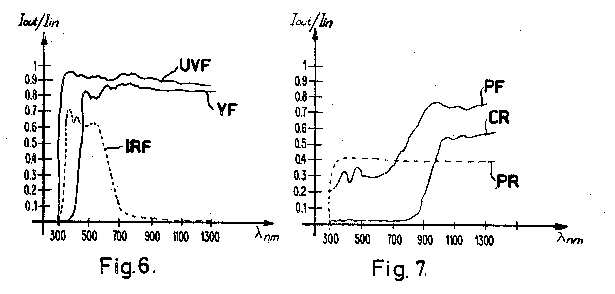
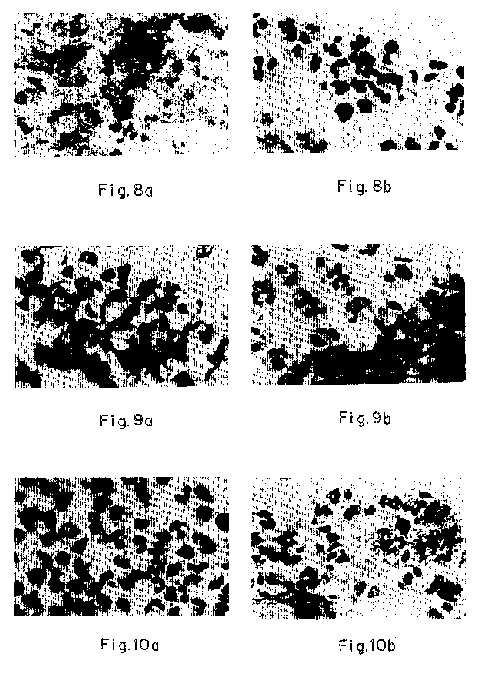
Significant enhancement of immune-competent cells, stabilization of red blood cell membranes, increased oxygen delivery, accelerated wound healing, and systemic health benefits.
Limitations
- Penetration depth limited to ~1 cm
- Claims largely anecdotal; lacking peer-reviewed clinical data
- Effectiveness may vary with skin type and condition
Red Flags
- Absence of quantitative clinical trial data
- Reliance on marketing language and vague performance statements