Goal
Disrupt and deter wood-infesting insects using species-specific acoustic signals
Problem
Damage to trees and wood products caused by bark beetles and other wood-boring insects
Concept Summary
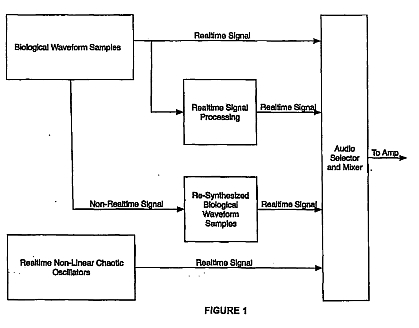
A device that attaches to a tree or wooden object and emits recorded or modified insect sounds (e.g., bark beetle mating calls) at amplified levels. The acoustic energy is coupled into the wood, producing vibrations that cause behavioral disruption, repulsion, or mortality in the target insects.
Detailed Description
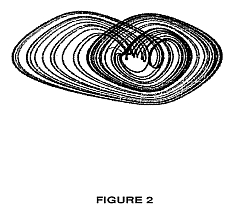
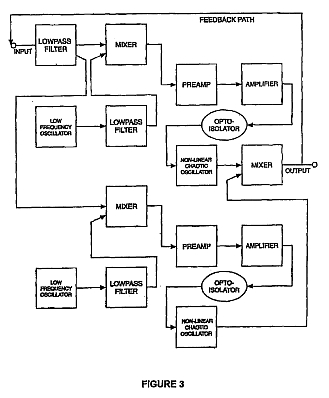
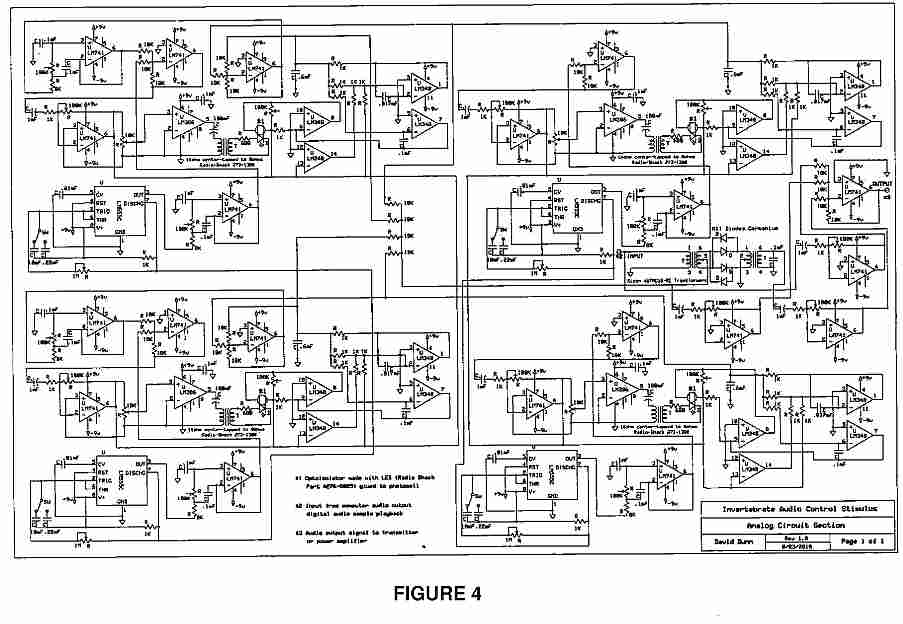
The invention comprises one or more acoustic transducers (small speakers) mounted on or embedded in wood. Recorded insect calls are processed (e.g., amplified, reverberated, flanged) and played back into the wood, delivering sound waves both through air and via mechanical vibration of the substrate. Laboratory experiments with bark beetles showed immediate cessation of mating, burrowing, and chewing when exposed to amplified beetle calls, with some insects fleeing or attacking each other. The system can be scaled from single-tree protection to multiple-unit arrays for larger forest areas.
Principles
- Acoustic wave propagation in air and solid media
- Species-specific sound modulation
- Mechanical vibration coupling into wood
Scientific Domains
Materials
- Miniature speaker / transducer
- Clear plastic plates (for lab chambers)
- Wooden substrate (tree trunk, lumber, furniture)
Mechanisms of Action
- Acoustic stress and neural disruption
- Behavioral deterrence (repulsion, mating inhibition)
- Physical injury from high-intensity vibrations
Energy Sources
Applications
- Forest pest management
- Protection of lumber and wooden structures
- Urban tree health preservation
Claimed Performance
Beetles stopped mating, burrowing and chewing; some fled or attacked each other, indicating immediate behavioral disruption.
Experimental Evidence
In laboratory tests, bark beetles exposed to digitally altered recordings of their own calls immediately ceased mating and chewing, and many fled or exhibited aggression toward conspecifics.
Replication Status
Only laboratory experiments reported; no independent field trials or commercial deployment documented.
Limitations
- Effectiveness in real-world forest settings not yet demonstrated
- Requires power source and attachment hardware
- Acoustic parameters must be tuned to each target species
Red Flags
- Mechanism of insect hearing and acoustic perception not fully understood
- No independent replication or peer-reviewed data