Goal
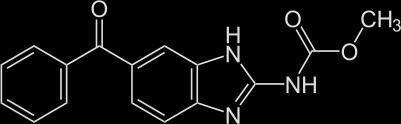
To treat cancer by repurposing the antiparasitic drug mebendazole as a selective anti-tumor agent.
Problem
Limited efficacy and high toxicity of existing chemotherapy; need for affordable, low-toxicity cancer therapies.
Concept Summary
Mebendazole, an inexpensive antiparasitic drug, interferes with micro-tubule assembly in dividing cells, causing mitotic arrest and apoptosis. Pre-clinical studies and isolated clinical reports suggest it selectively targets cancer cells while sparing normal tissue, offering a potential low-cost cancer treatment.
Detailed Description
Mebendazole (MBZ) is a benzimidazole derivative traditionally used to treat intestinal worms. It inhibits the polymerization of tubulin, disrupting the spindle apparatus required for cell division. This leads to G2-M arrest, activation of apoptotic pathways (including Bcl-2 inactivation), reduced angiogenesis, and inhibition of tumor growth in vitro and in mouse xenograft models. Small case reports indicate disease stabilization in metastatic adrenocortical carcinoma. The drug is orally administered, inexpensive, and has a long safety record, but large-scale clinical trials are lacking and US manufacturing has ceased.
Principles
- Micro-tubule depolymerization
- Mitotic spindle inhibition
- Induction of apoptosis
- Anti-angiogenic effects
Scientific Domains
Materials
- Mebendazole (benzimidazole compound)
Mechanisms of Action
- Inhibits tubulin polymerization -> spindle assembly failure
- Triggers G2-M cell-cycle arrest
- Activates mitochondrial apoptosis pathways
- Reduces tumor angiogenesis
Applications
- Cancer treatment
- Adjunct therapy for chemotherapy-resistant tumors
Claimed Performance
Effective against multiple cancer types (lung, melanoma, adrenocortical carcinoma, glioblastoma) with minimal toxicity; tumor regression and long-term disease control reported in isolated cases.
Experimental Evidence
Multiple peer-reviewed studies demonstrate dose-dependent inhibition of tumor cell proliferation in vitro, reduction of tumor xenograft growth in mice, and a case report of 19-month disease stabilization in a patient with metastatic adrenocortical carcinoma.
Replication Status
Results reported in the scientific literature; no large-scale independent replication documented in the article.
Limitations
- Lack of large, randomized clinical trials
- Discontinuation of US manufacturing
- Unclear optimal dosing regimen for oncology
- Potential regulatory hurdles for off-label use
Red Flags
- Reliance on anecdotal case reports and pre-clinical data
- Off-label use without regulatory approval
- Potential bias in presentation of data
- Discontinued production may limit accessibility