Goal
Prevent HIV infection and provide contraceptive protection using a vaginal gel that kills virus and sperm without harming host cells.
Problem
Sexually transmitted HIV and lack of safe, user-controlled contraceptive methods.
Concept Summary
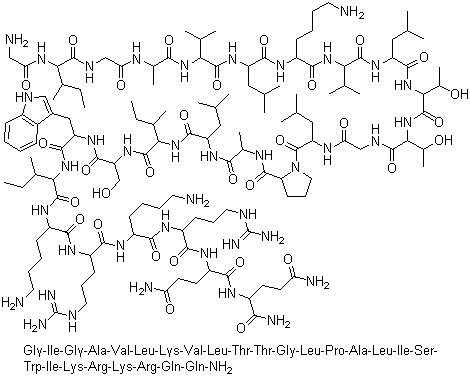
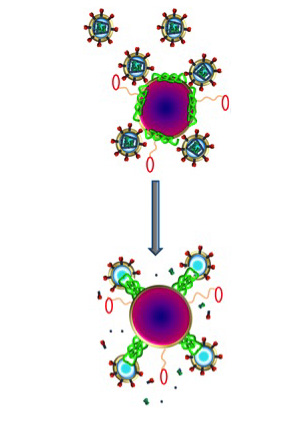
Perfluorocarbon nanoparticles are coated with a lipid/surfactant layer and loaded with the membrane-disrupting peptide melittin. The particles are sized (~=250 nm) so that they can enter the viral envelope (~=100 nm) but are excluded from larger human cells. When the nanoparticle contacts HIV, melittin inserts into the viral membrane, forming pores that rupture the envelope and inactivate the virus. Protective "bumpers" on the particle surface prevent interaction with normal cells. The same platform can be targeted to sperm using antibodies or aptamers for contraceptive use.
Detailed Description
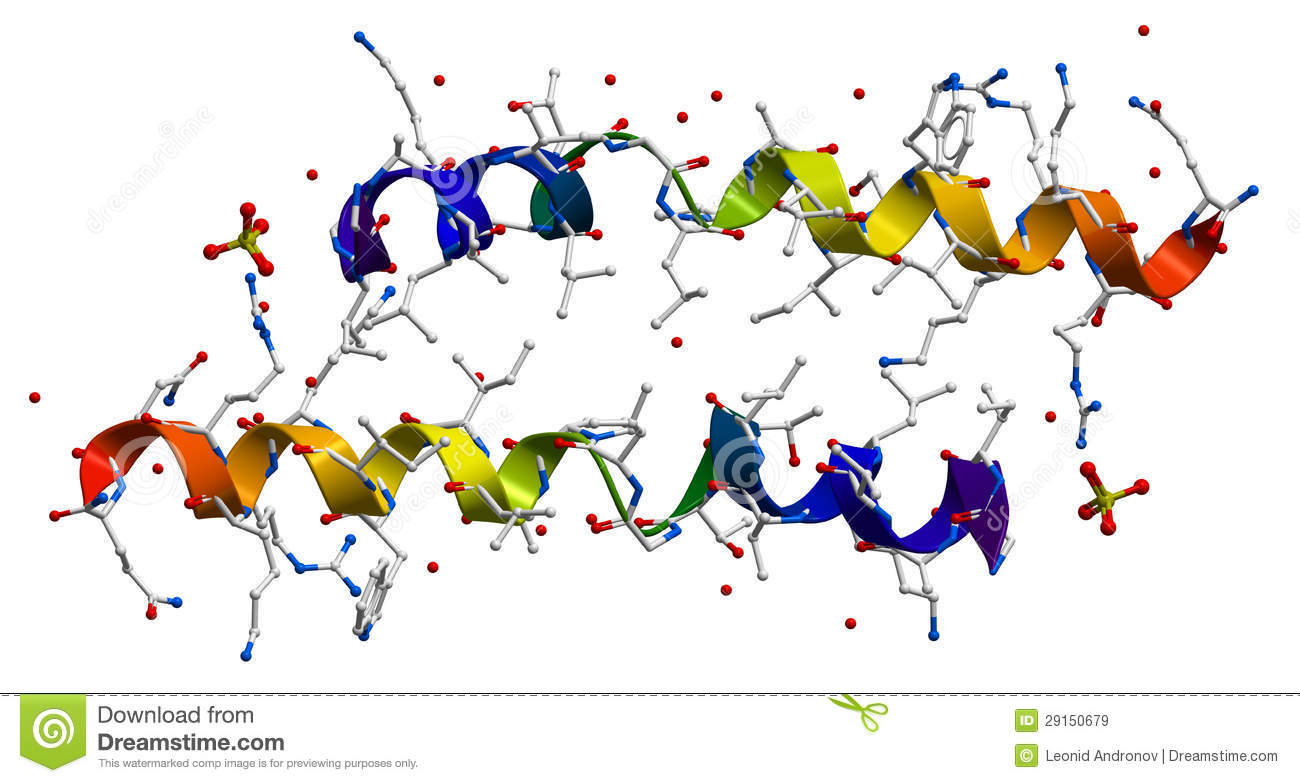
The invention uses perfluorocarbon-based nanoparticles (PFC-NP) originally developed as artificial blood products. The core is a perfluorocarbon fluid; the surface is a lipid/surfactant bilayer that can incorporate cationic, anionic, or amphipathic peptides. Melittin (or analogues) is embedded in the coating, where it remains inactive until the particle fuses with a target membrane. For HIV, the particle size is larger than the virus, allowing the virus to fit between protective "bumpers" and contact the melittin-laden surface, leading to pore formation and loss of viral RNA. For sperm, targeting ligands (e.g., antibodies against I+/-vI23 integrin, SPAM1, or progesterone) are attached to the particle to promote fusion with the sperm membrane, where melittin then creates pores that impair motility or viability. In vitro studies showed ( HIV infectivity, no cytotoxicity to vaginal epithelial cells, and selective effects on sperm when targeted. The formulation can be incorporated into a vaginal gel or administered intravenously for systemic therapy.
Principles
- Membrane disruption by pore-forming peptide (melittin)
- Size-based exclusion of host cells
- Targeted delivery via antibodies/aptamers
- Passive fusion driven by lipid membrane tension
Scientific Domains
Materials
- Perfluorocarbon fluid (core)
- Lipid/surfactant coating
- Melittin peptide (or analogues)
- Targeting antibodies / aptamers / peptidomimetics
- Progesterone (optional chemoattractant)
Mechanisms of Action
- Melittin inserts into lipid bilayers forming pores
- Nanoparticle size prevents interaction with larger mammalian cells
- Targeting ligands bind specific receptors on sperm or virus
- Fusion of nanoparticle with target membrane releases melittin locally
Applications
- HIV prevention (microbicide)
- Female contraception
- Cancer therapy (tumor cell killing via melittin)
Claimed Performance
In vitro HIV infectivity reduced to background levels; no measurable toxicity to vaginal epithelial cells; targeted sperm motility reduction while sparing non-targeted cells; particles stable in vaginal environment and remain localized.
Experimental Evidence
Figures in the patent show (1) viability of vaginal epithelium with free vs. nanoparticle-bound melittin, (2) inhibition of HIV infection in vitro, (3) loss of infectivity for HIV-p120 and HIV-p134 strains, (4) targeting efficiency of CD4-coupled particles, (5) effects on sperm motility and viability with and (6) successful targeting using SPAM1 antibody.
Replication Status
Published peer-reviewed article in Antiviral Therapy (Vol 19, 2013) and US Patent US2012100186; no independent replication reported.
Limitations
- Data limited to in vitro experiments
- Potential off-target membrane damage if melittin is released uncontrolled
- Formulation stability and retention in vaginal mucosa not fully characterized
- Regulatory approval pathway not yet demonstrated
Red Flags
- Membrane-disrupting peptide could damage non-target cells at high concentrations
- Need for rigorous toxicology testing before clinical use