Goal
Remotely destroy unwanted underwater objects using high-power acoustic beams that generate a destructive cavitation field, without explosives.
Problem
Threats to underwater vessels such as mines, torpedoes, fouling organisms, and other hostile objects that need to be neutralized at a distance.
Concept Summary
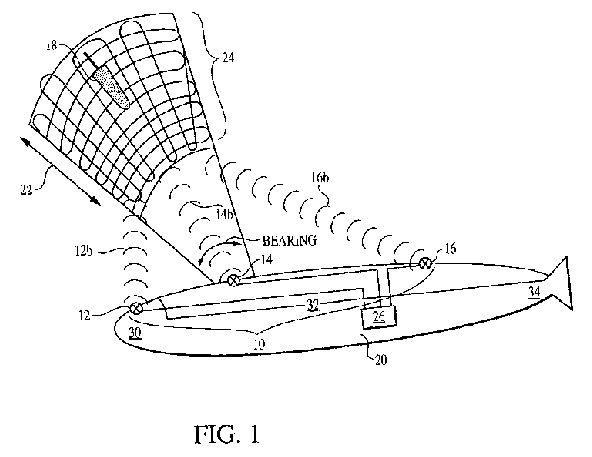
The invention uses an array of high-power sonar transducers mounted on a submarine (or other underwater platform) to emit two or more acoustic beams that intersect at a remote target location. The intersecting beams create a localized region of intense acoustic pressure, producing cavitation bubbles whose collapse generates high temperature, high pressure, and shock waves that destroy the target.
Detailed Description
A method is disclosed for generating a predetermined cavitation field around a remote underwater target. The method comprises (1) locating the target, (2) generating at least two high-power acoustic beams (10-15 kHz) from an underwater acoustic source, and (3) controlling the beams so they intersect at the target, producing a destructive cavitation zone. The sonar array can be mounted on a submarine, with the beams directed by an onboard computer. The cavitation bubble formation, collapse, and resulting shock propagation inflict damage on the target. The system is environmentally clean, using only acoustic energy and electrical power from the host vessel.
Principles
- Acoustic cavitation
- High-power sonar beamforming
- Bubble collapse shock generation
- Acoustic pressure field intersection
Scientific Domains
Materials
- water
Mechanisms of Action
- Acoustic beam intersection
- Cavitation bubble formation
- Shock wave propagation
- High-pressure pulse delivery
Energy Sources
Applications
- mine neutralization
- torpedo self-defense
- underwater object removal
Claimed Performance
Destructive cavitation field generated at distances of 100 m to up to 1 km from the sonar array, using frequencies of 10-15 kHz and peak power outputs sufficient to cause bubble collapse and shock damage.
Limitations
- Requires high-power sonar array and substantial electrical power
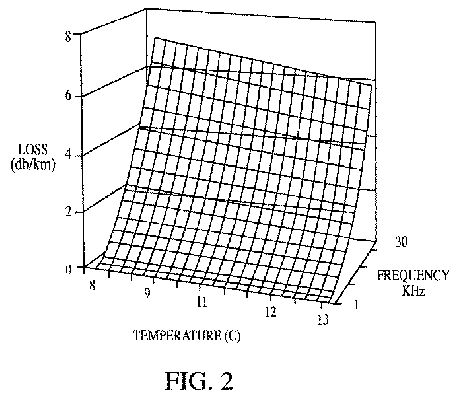
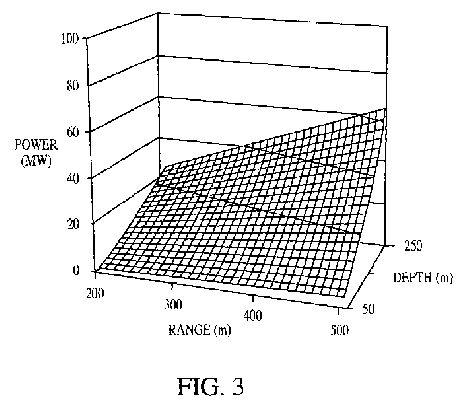
- Effectiveness depends on range, depth, and water conditions
- No publicly disclosed experimental validation
Red Flags
- Potential weaponization concerns
- Lack of experimental evidence or independent replication