Confidence
0.60
Practicability
0.30
Evidence
0.20
Fringe Score
0.90
Risk
0.30
TRL
2
Goal
Amplify input electrical energy to produce higher output power.
Problem
Low power output of conventional generators and the need for higher efficiency energy conversion.
Concept Summary
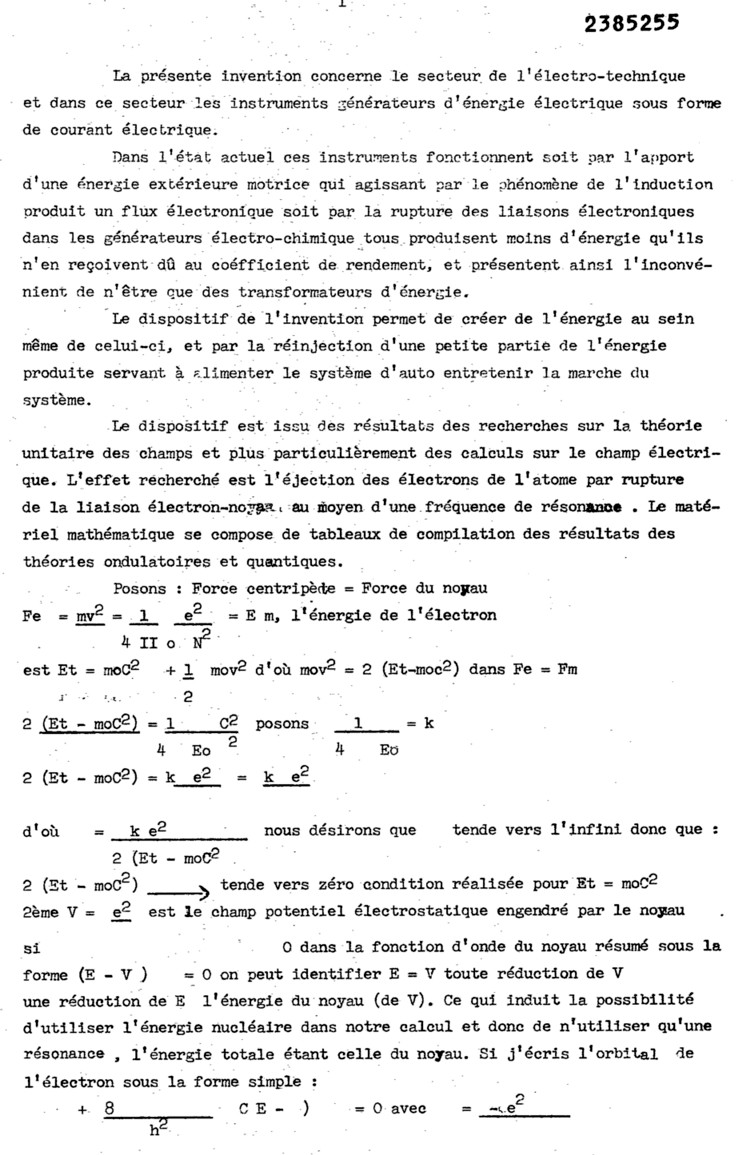
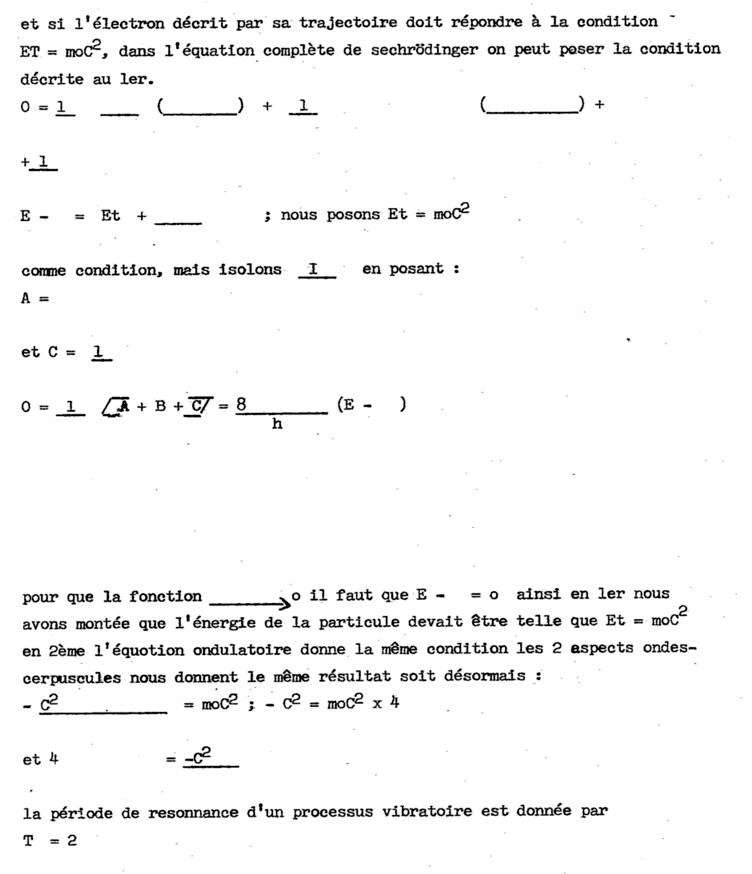
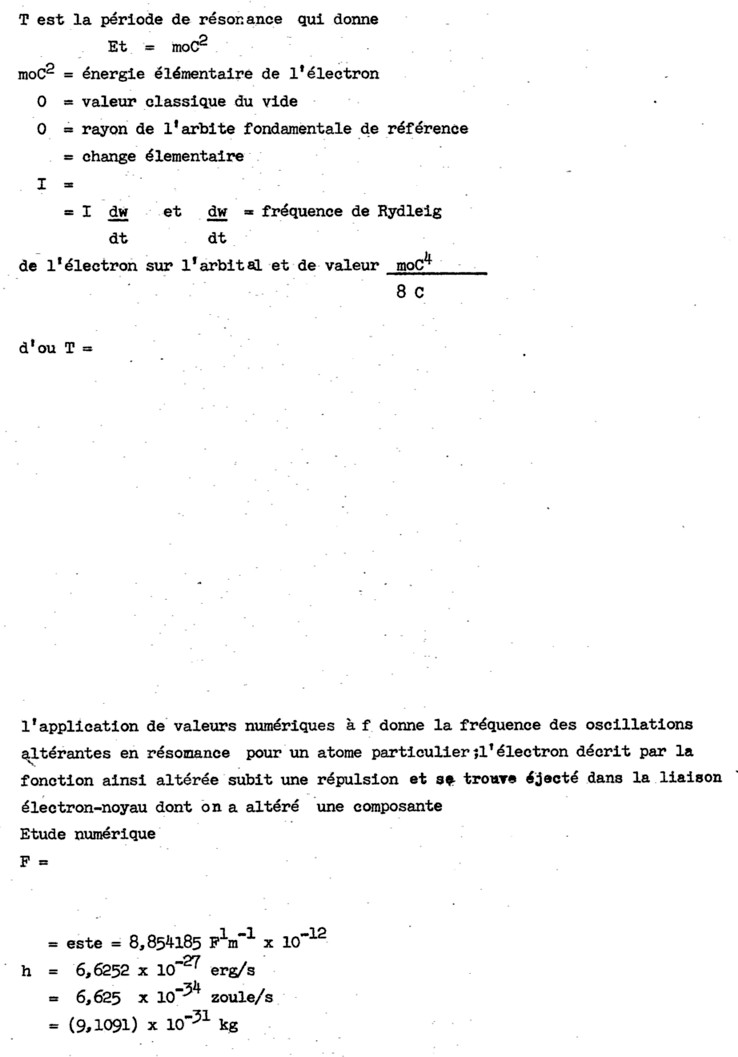
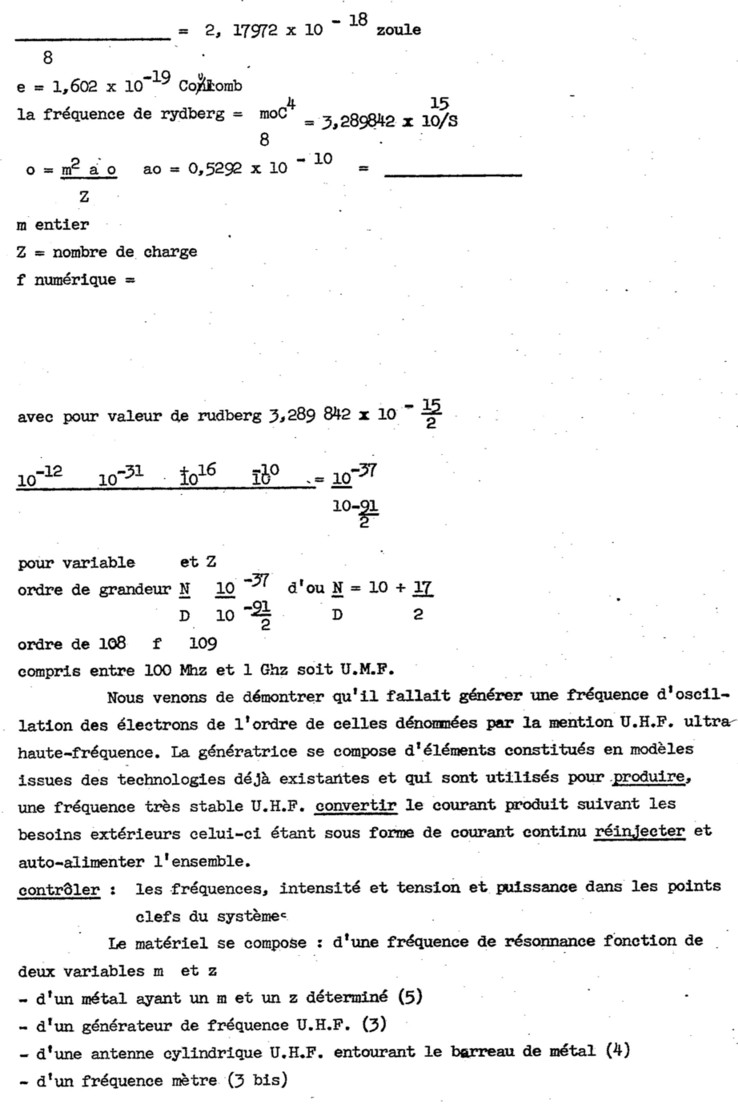
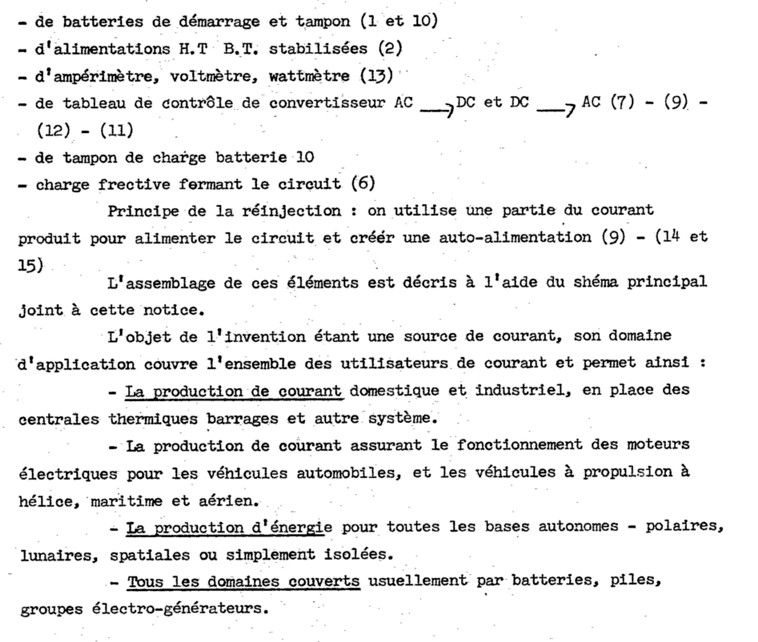
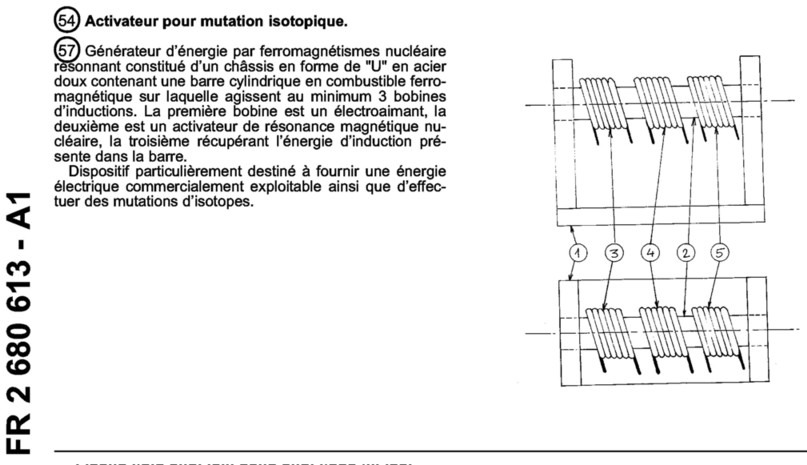
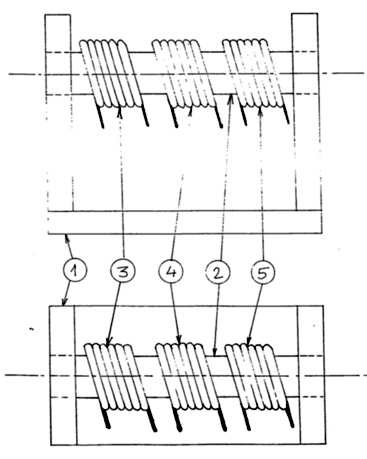
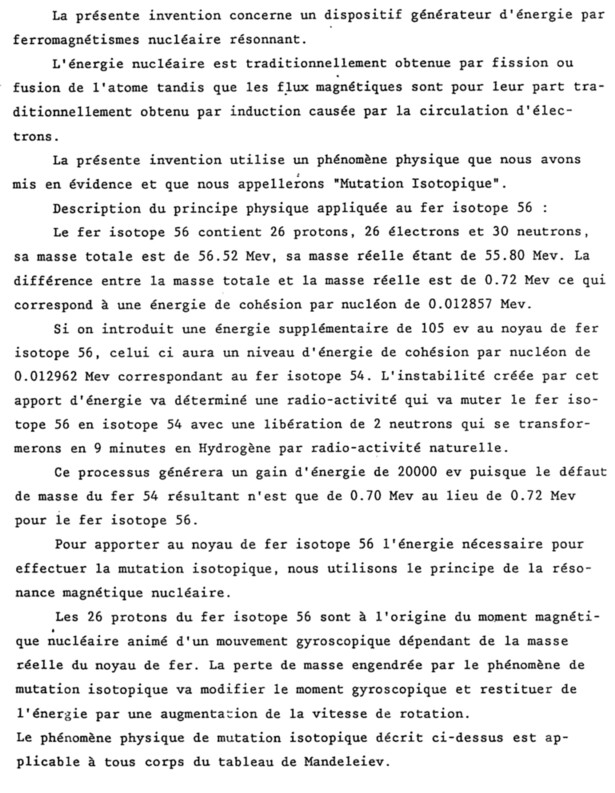
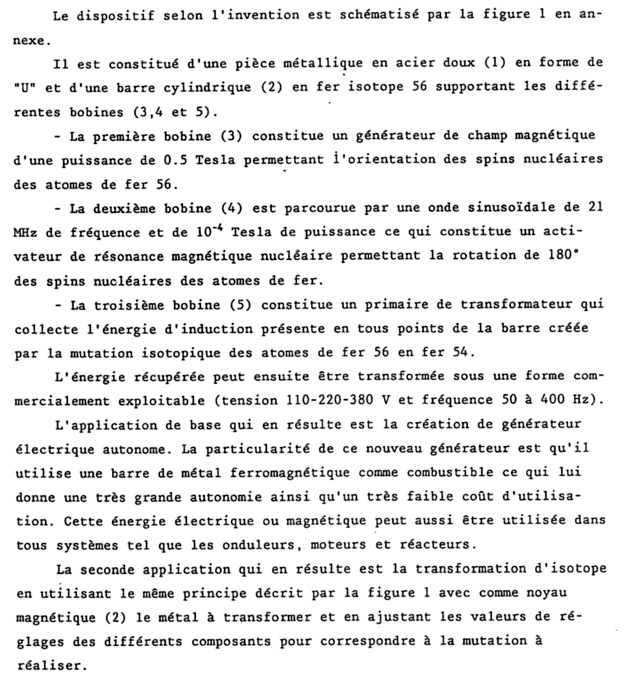
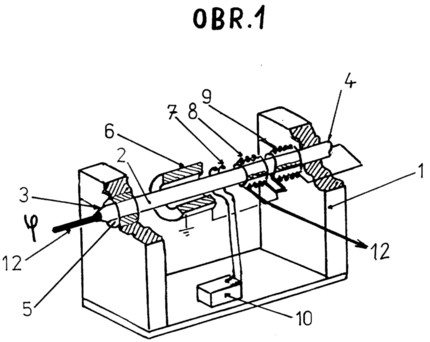
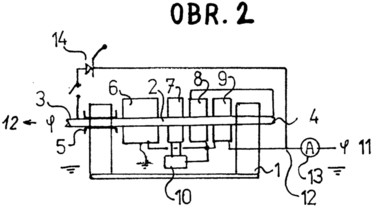
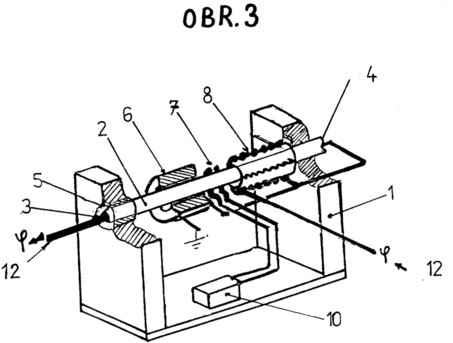
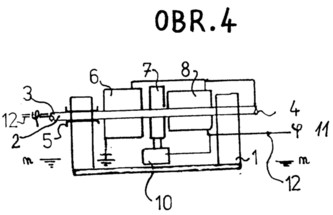
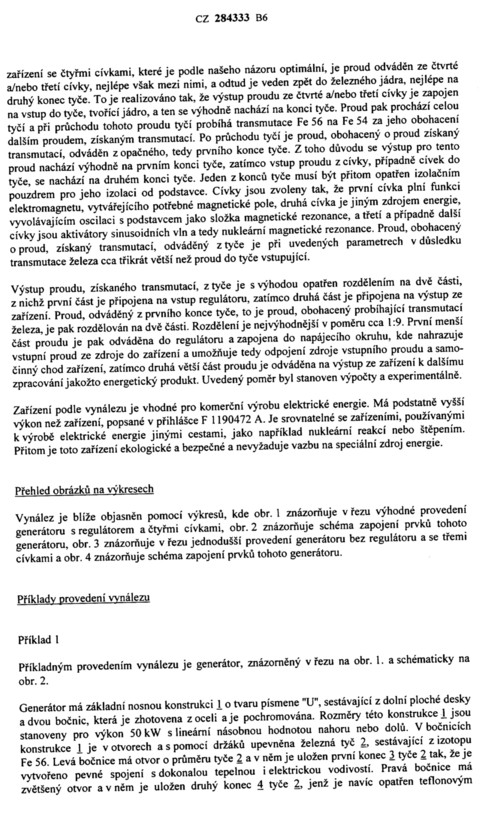
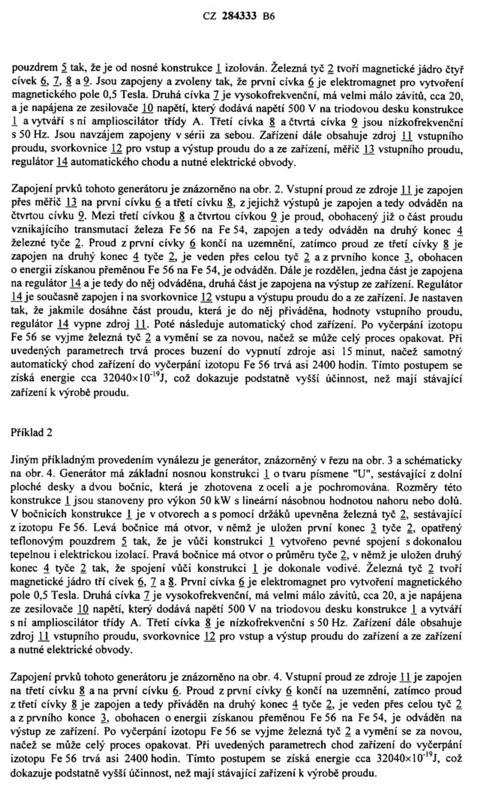
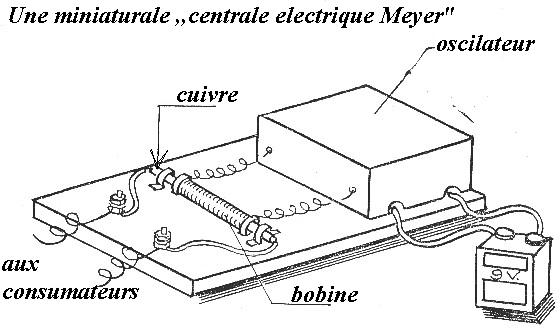
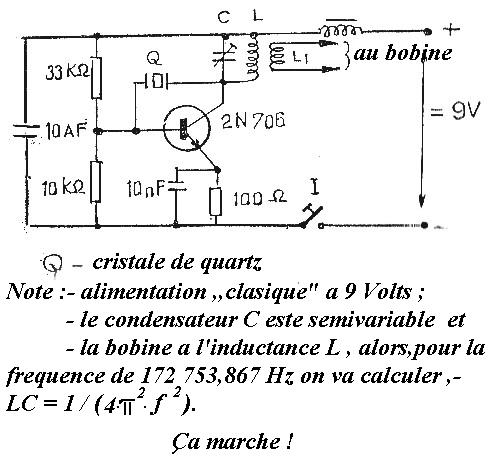
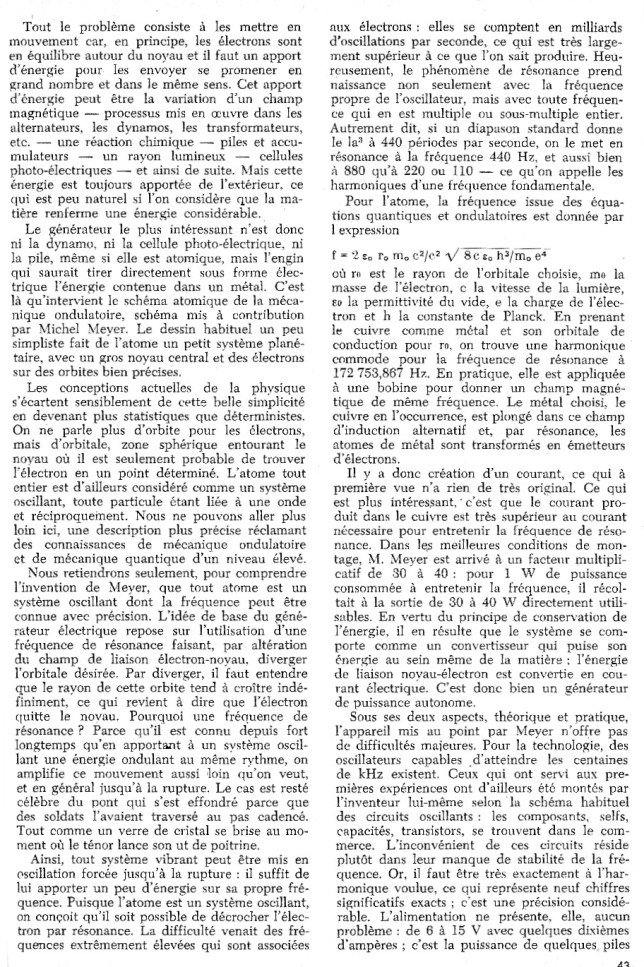
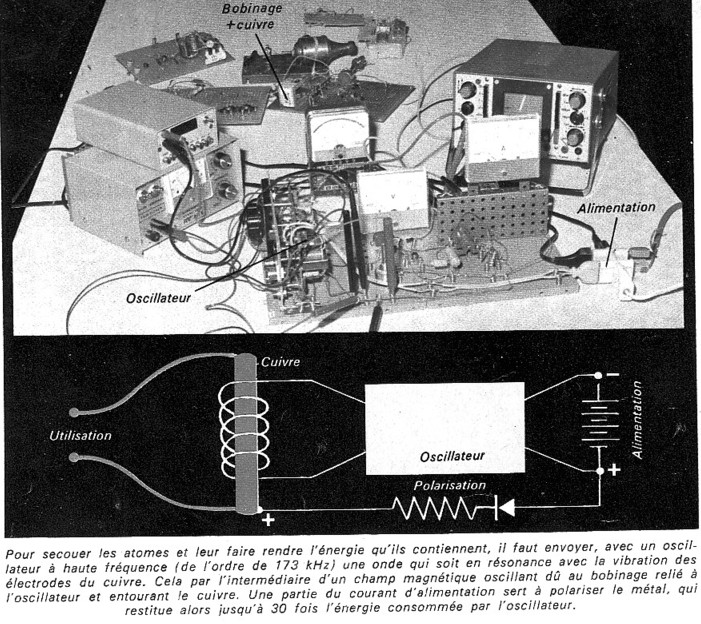
A simple electrical circuit that uses the nuclear magnetic resonance (NMR) of copper, and optionally isotopic mutation of iron, to amplify the input electrical energy by a factor of about 30.
Principles
- Nuclear magnetic resonance (NMR)
- Isotopic transmutation
- Energy amplification
Scientific Domains
Materials
- Copper
- Iron
Mechanisms of Action
- Resonant excitation of copper nuclei
- Isotopic mutation of iron to alter energy states
- Circuit-level amplification through resonant coupling
Energy Sources
Applications
- Portable power generation
- Low-cost electricity
Claimed Performance
Approximately 30-fold amplification of input energy.
Experimental Evidence
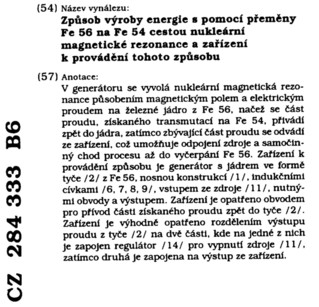
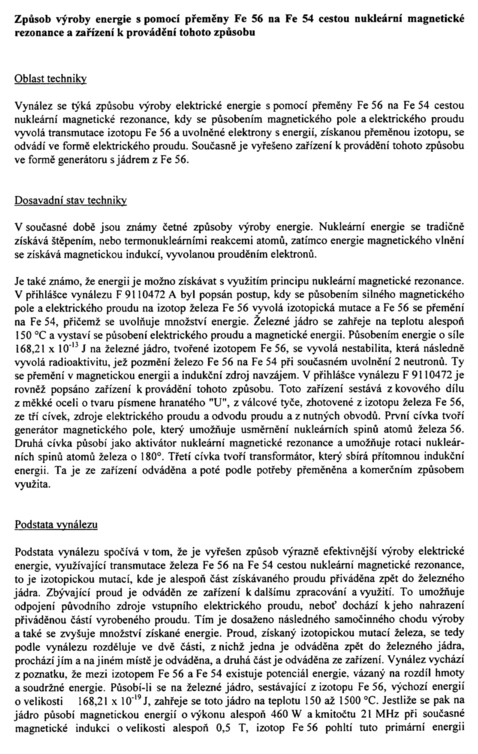
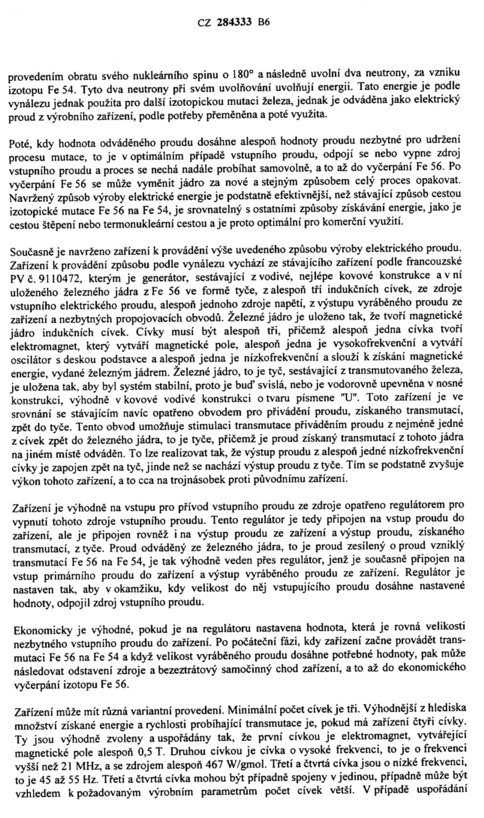
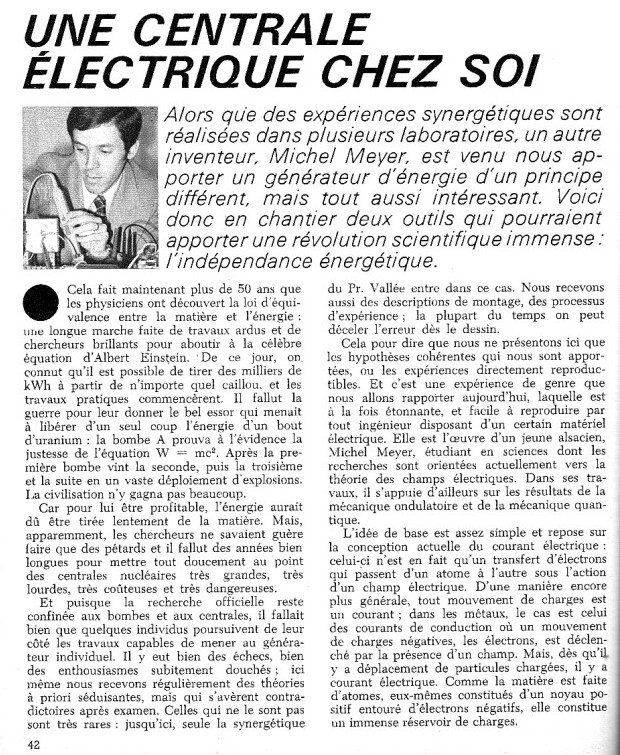
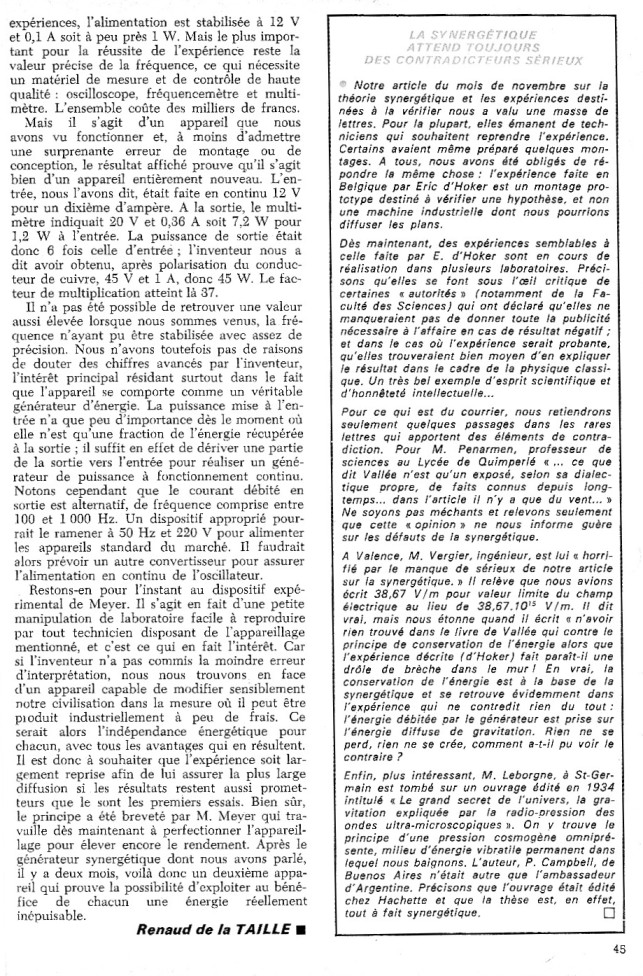
The article and patents claim a 30x amplification using NMR of copper and isotopic mutation of iron, but no quantitative data or independent verification are provided.
Limitations
- No peer-reviewed data or independent replication
- Mechanism of amplification not scientifically validated
- Potential violation of conservation of energy
Red Flags
- Overunity claim without quantitative evidence
- Reliance on vague concepts such as "isotopic mutation"
- Patents listed but no published experimental data