Goal
Generate usable electricity from the atmosphere for lighting and power without moving parts or conventional fuel.
Problem
Dependence on conventional energy sources and the need for a low-cost, continuous power supply.
Concept Summary
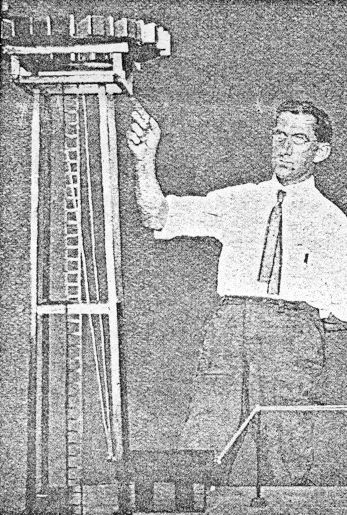
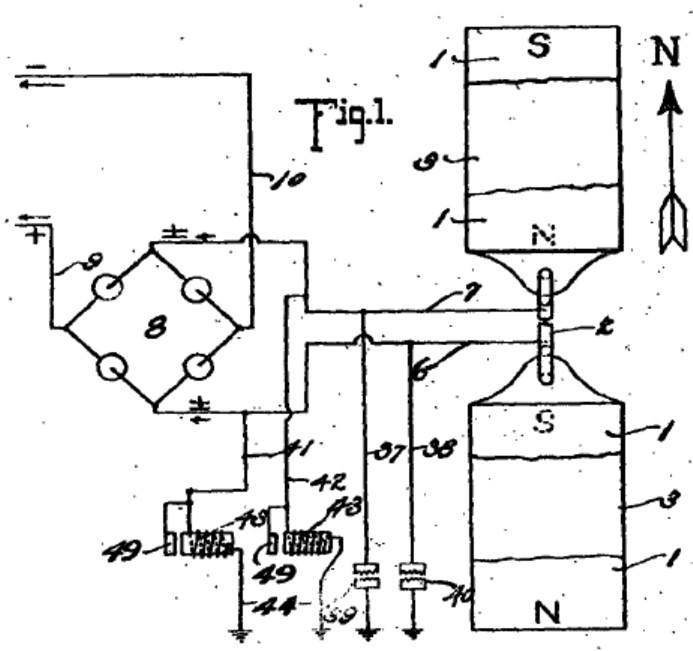
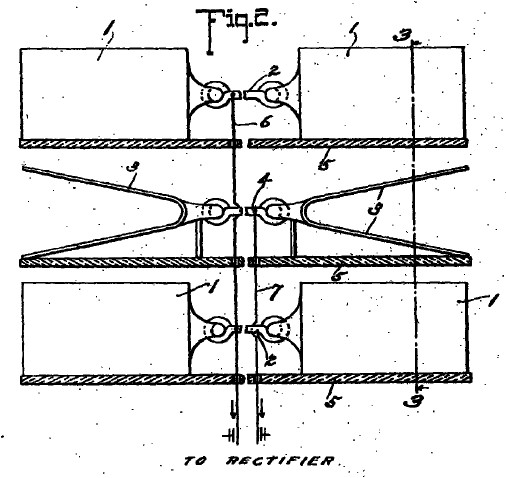
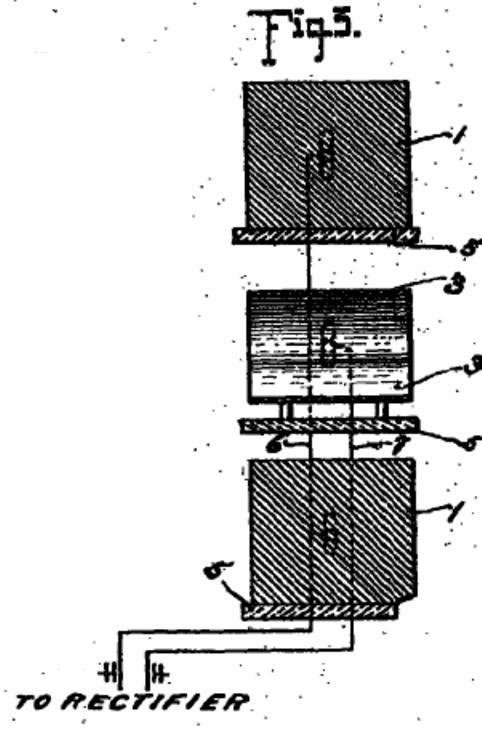
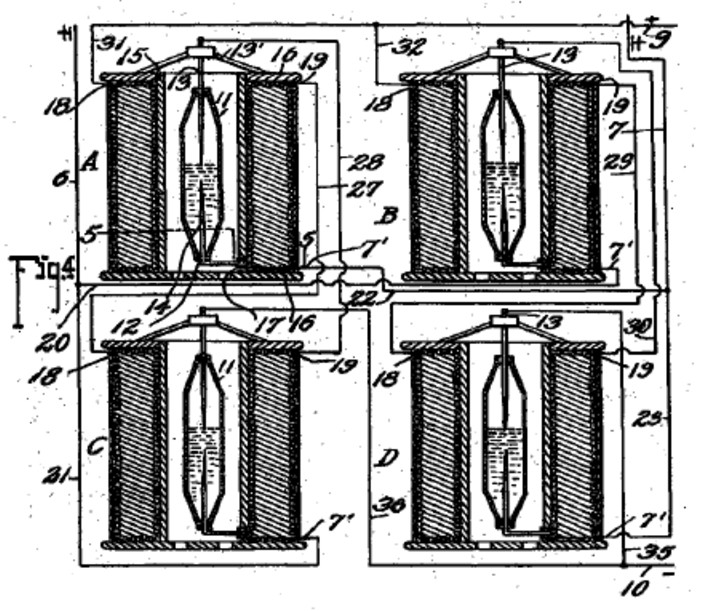
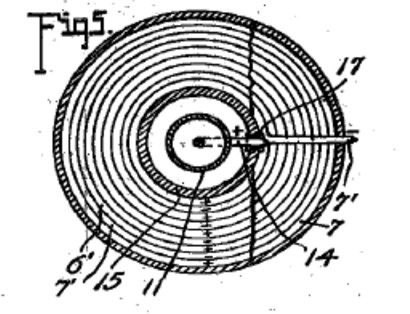
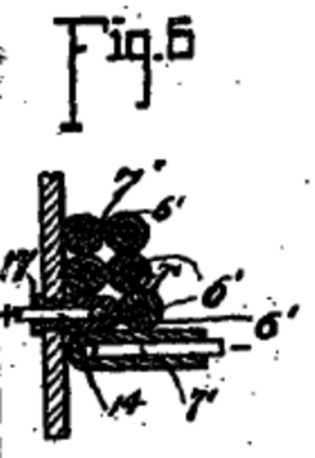
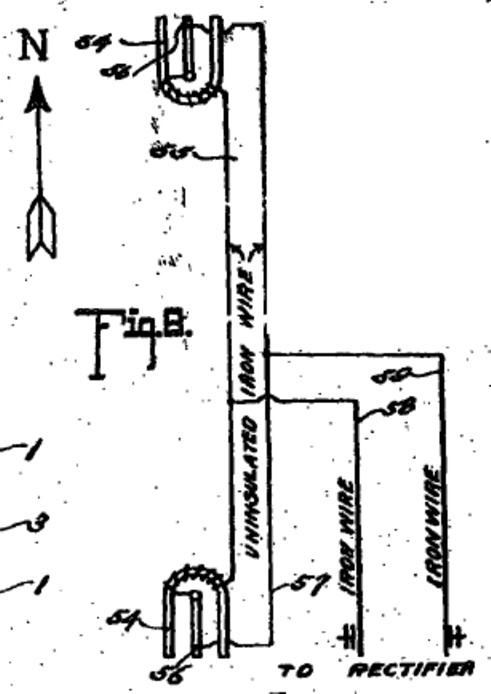
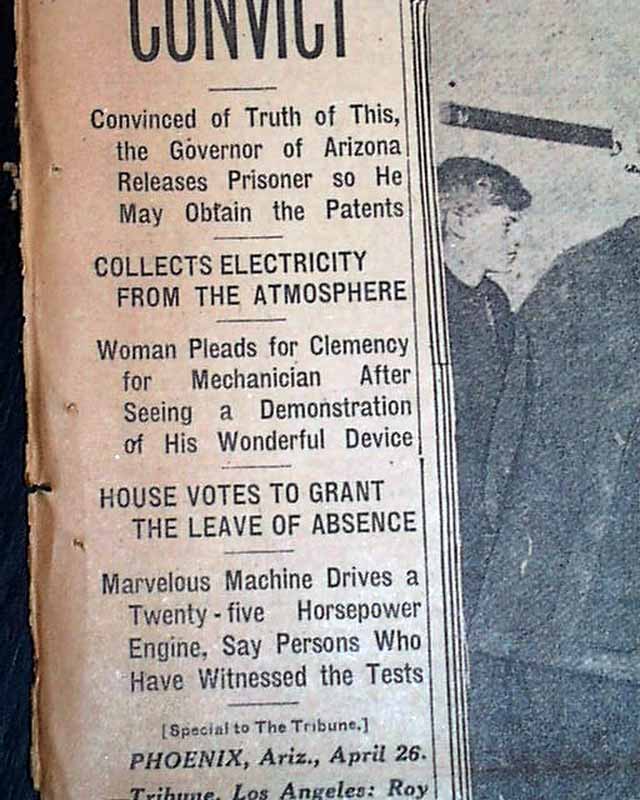
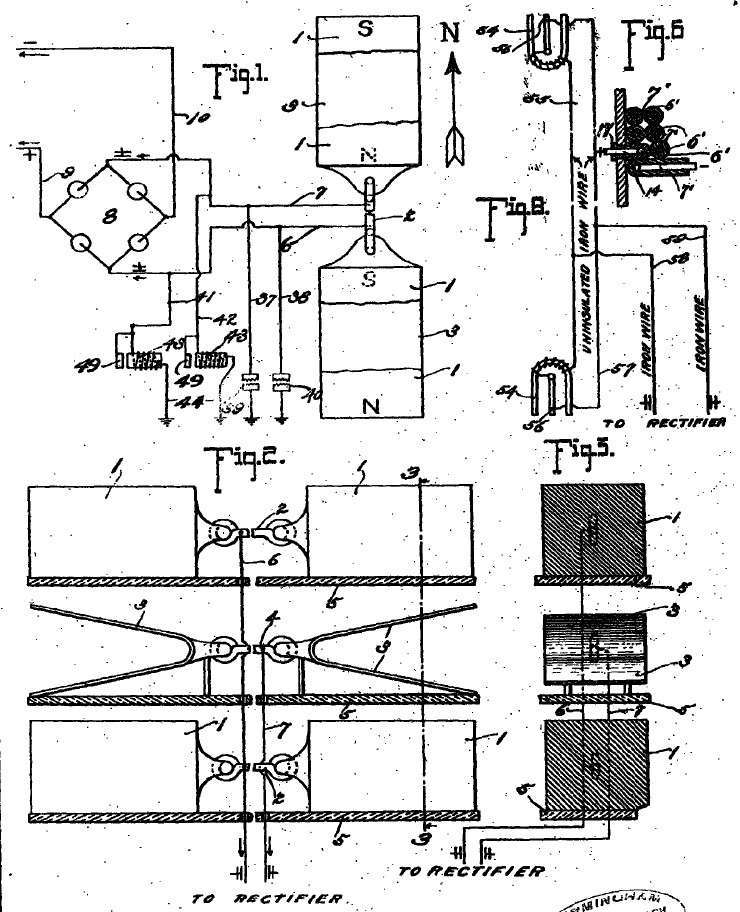
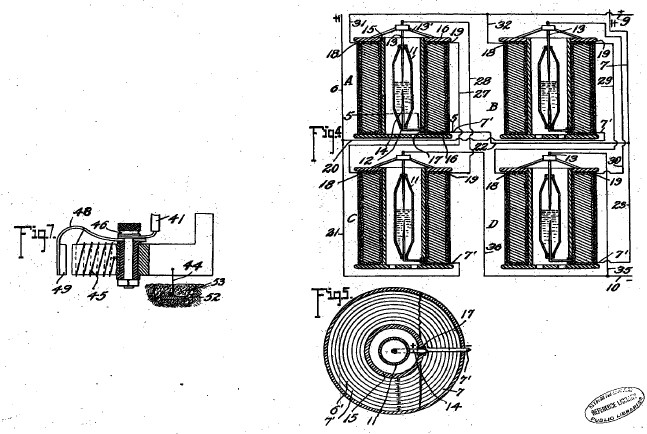
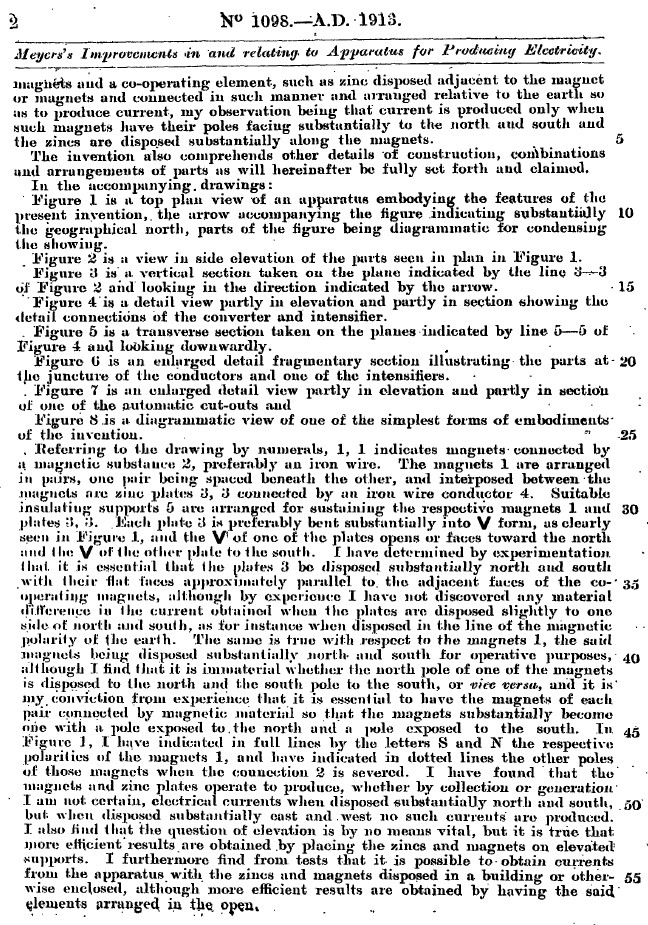
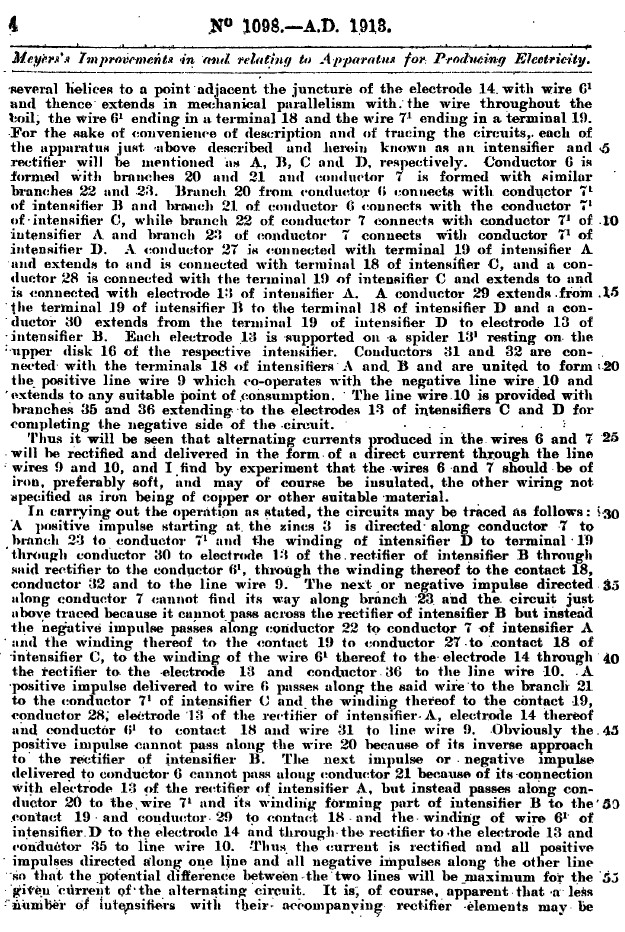
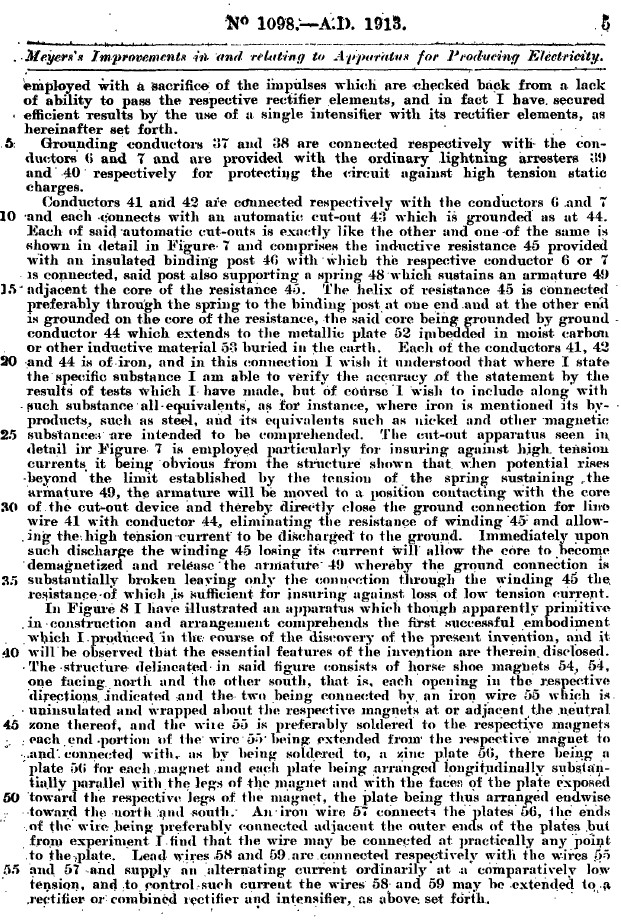
The Absorber is a tower-mounted assembly of magnetized steel plates (disks) that allegedly attract ambient atmospheric electric charge. The collected charge is fed through a transformer core (iron core wrapped with copper wire) to produce a direct-current output that can power lights, engines, or other loads. The device claims to operate continuously day and night and to be scalable to city-wide power generation.
Principles
- Atmospheric electricity harvesting
- Magnetized steel plates attract ambient charge
- Transformer induction converts collected charge to DC
- Direct current output without moving parts
Scientific Domains
Materials
- steel
- iron
- copper
Mechanisms of Action
- Atmospheric charge collection via magnetized plates
- Inductive coupling in an iron-core transformer
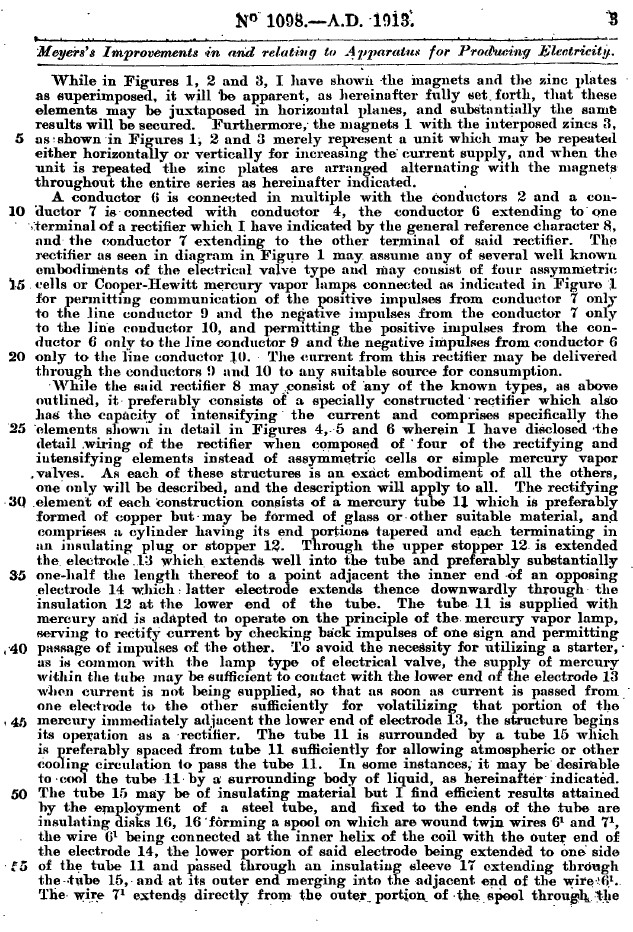
- Rectification to direct current
Energy Sources
Applications
- Building lighting
- Power for small industrial loads
- Vehicle propulsion (theoretical)
Claimed Performance
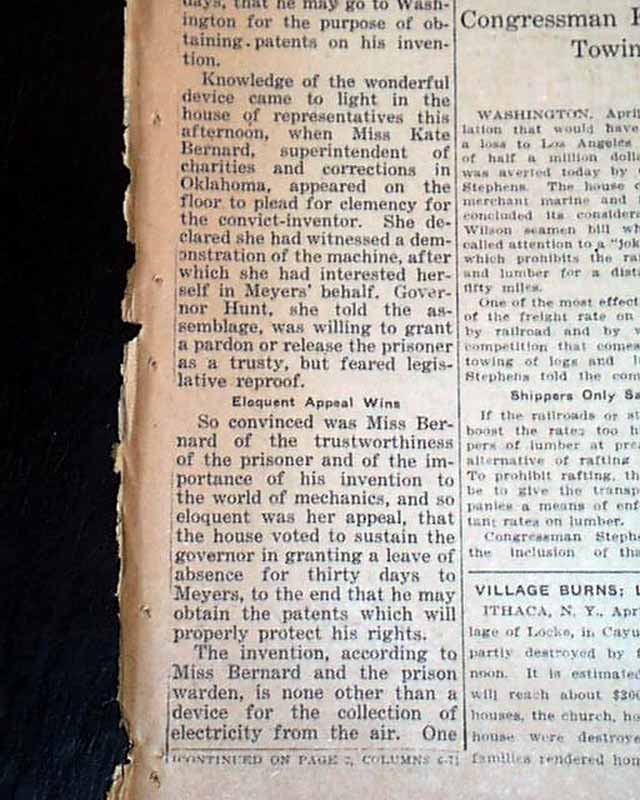
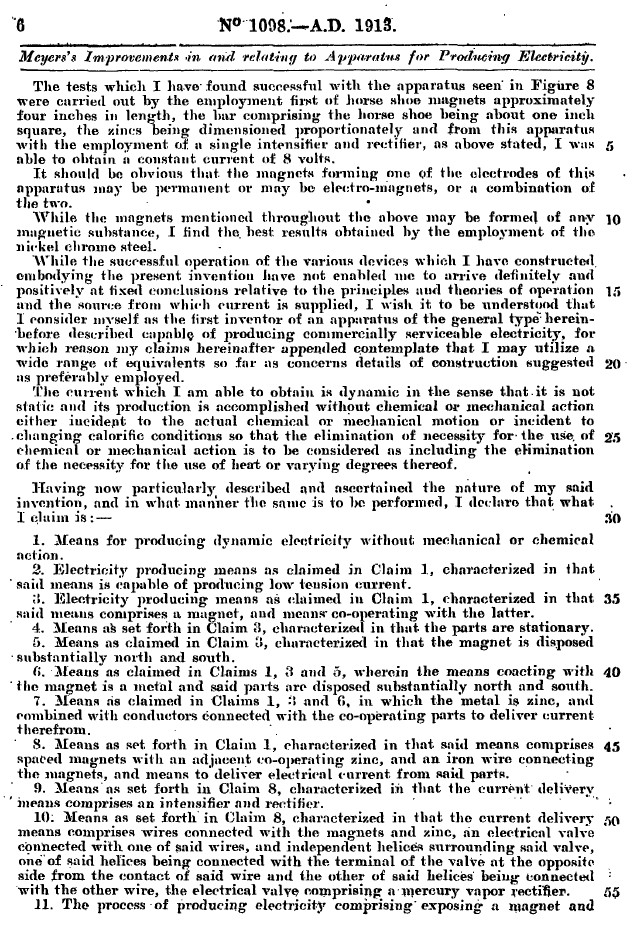
Second prototype produced 8 V; later test recorded 4.5 V and a current strong enough to break a 75 A ammeter.
Experimental Evidence
Westinghouse meters measured 4.5 V; ammeter (75 A capacity) was broken by the current.
Limitations
- Depends on atmospheric conditions
- No disclosed method for plate magnetization
- No independent verification or scaling data
Red Flags
- Historical claims lack modern experimental data
- No peer-reviewed publications or independent replication
- Potentially overstated performance (e.g., breaking a 75 A ammeter)