Goal
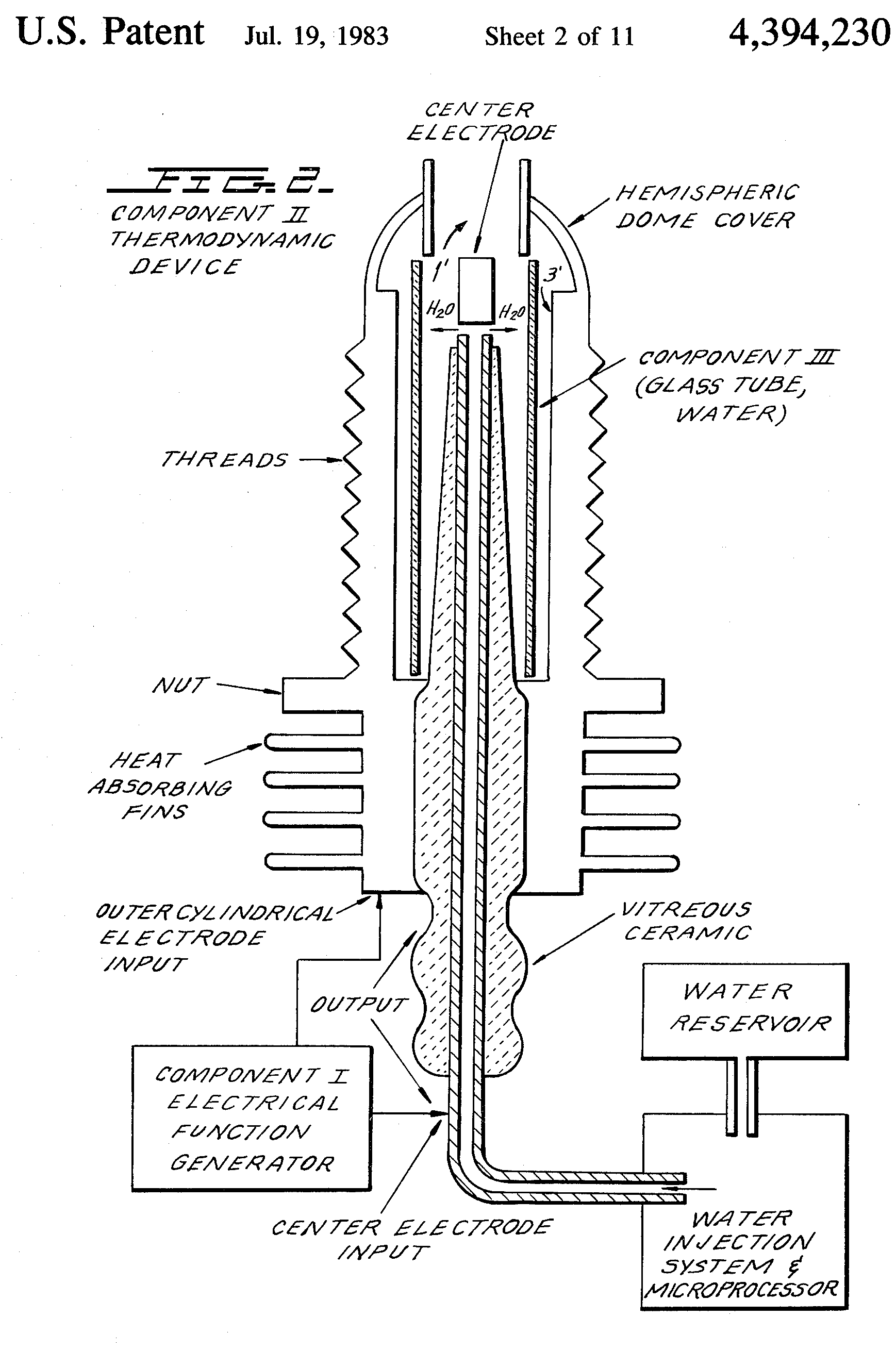
Generate hydrogen from water using high-frequency electromagnetic fields to power vehicles.
Problem
Dependence on fossil fuels and need for a portable, on-board hydrogen source.
Concept Summary
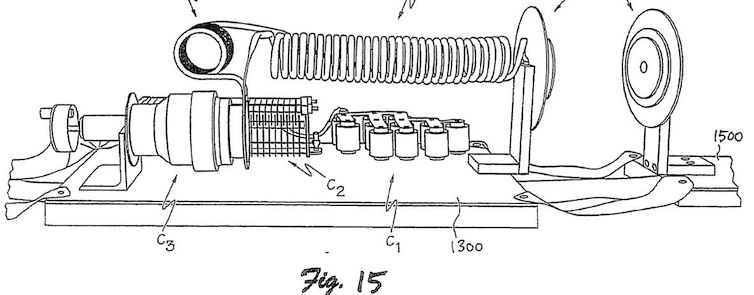
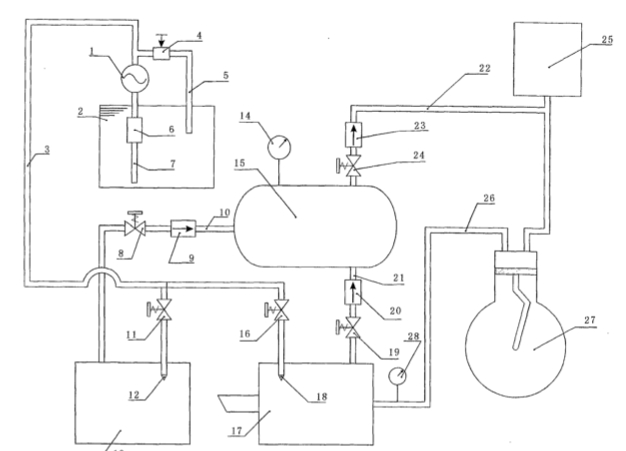
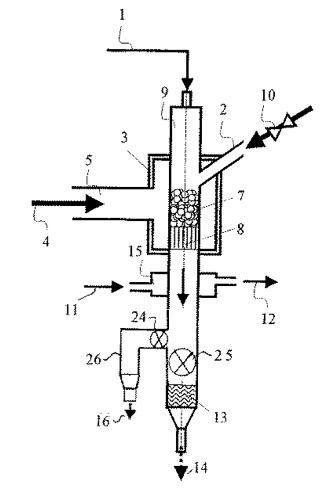
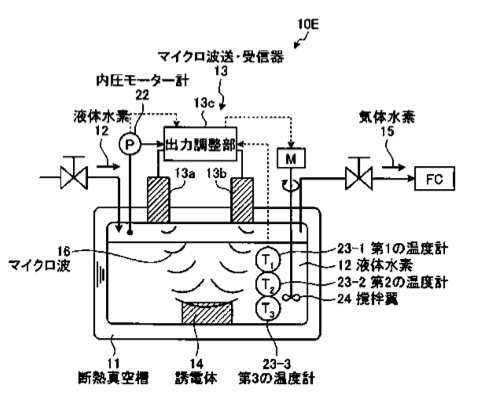
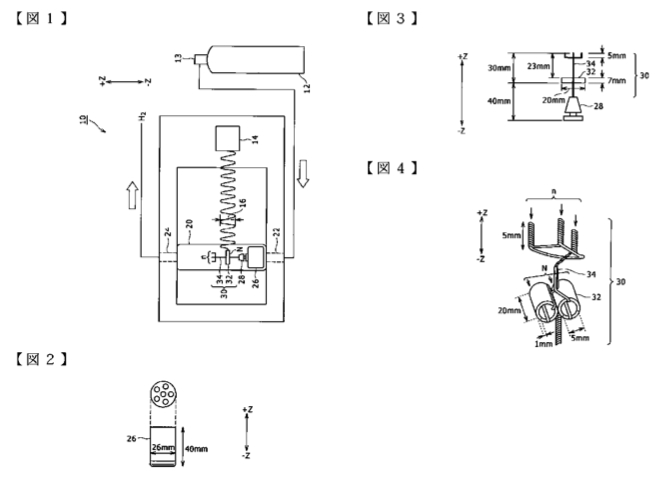
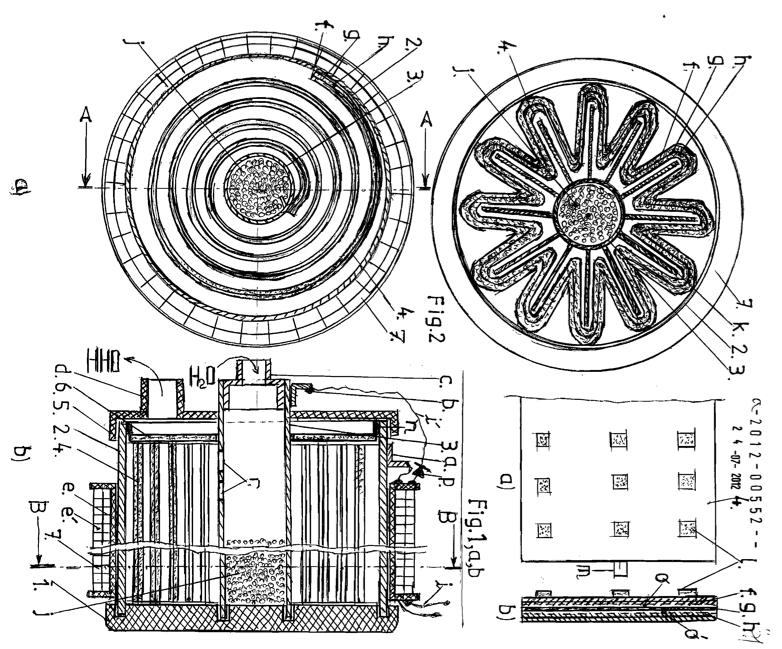
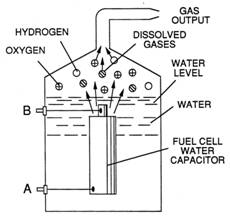
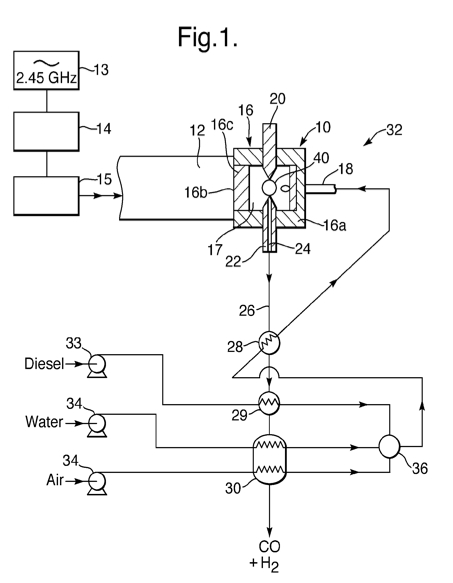
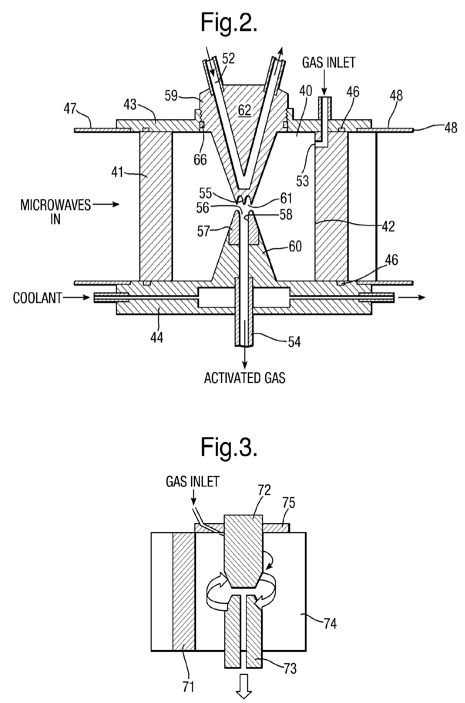
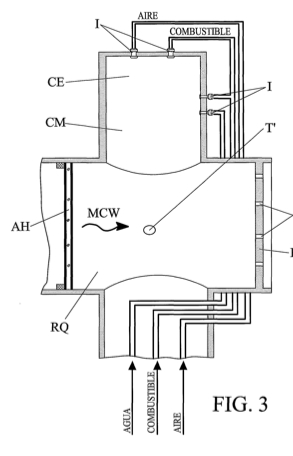
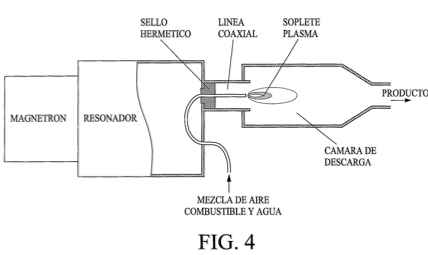
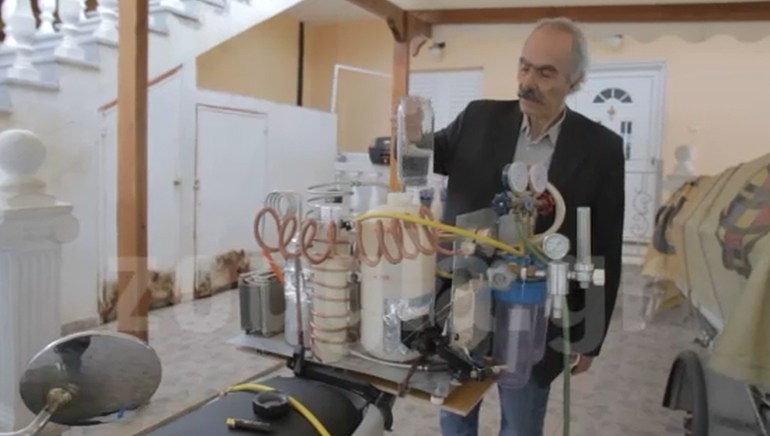
A small device applies combined high-frequency (microwave/RF) signals to salt water, causing molecular vibration that allegedly splits the water into hydrogen and oxygen. The hydrogen is collected and fed to an internal-combustion engine or fuel cell, allowing a vehicle (e.g., a moped) to run on plain water.
Principles
- Resonant frequency excitation of water molecules
- Microwave-induced electrolysis
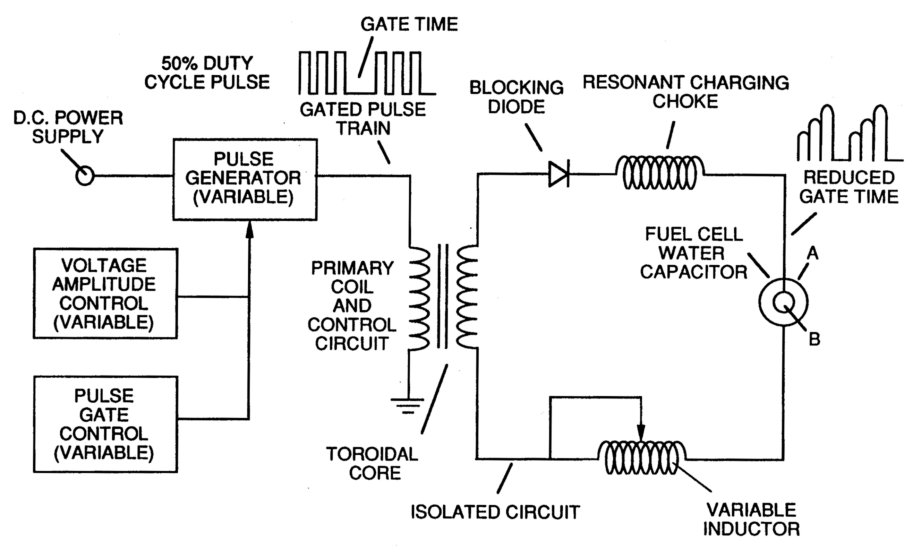
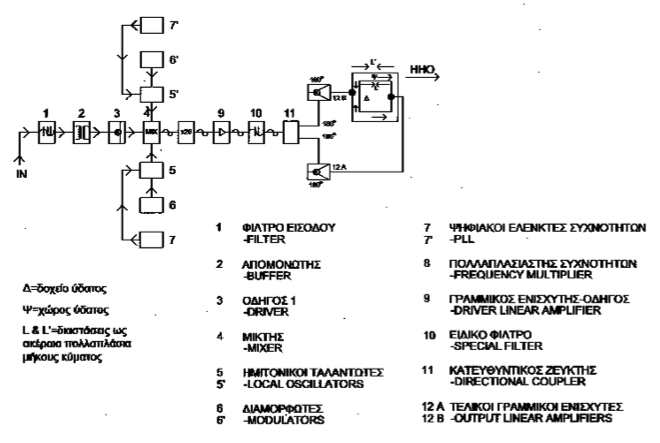
- Frequency mixing and amplification
Scientific Domains
Materials
- Water (salt water)
- Platinum electrodes (mentioned as improving yield)
- Semitonic oscillators
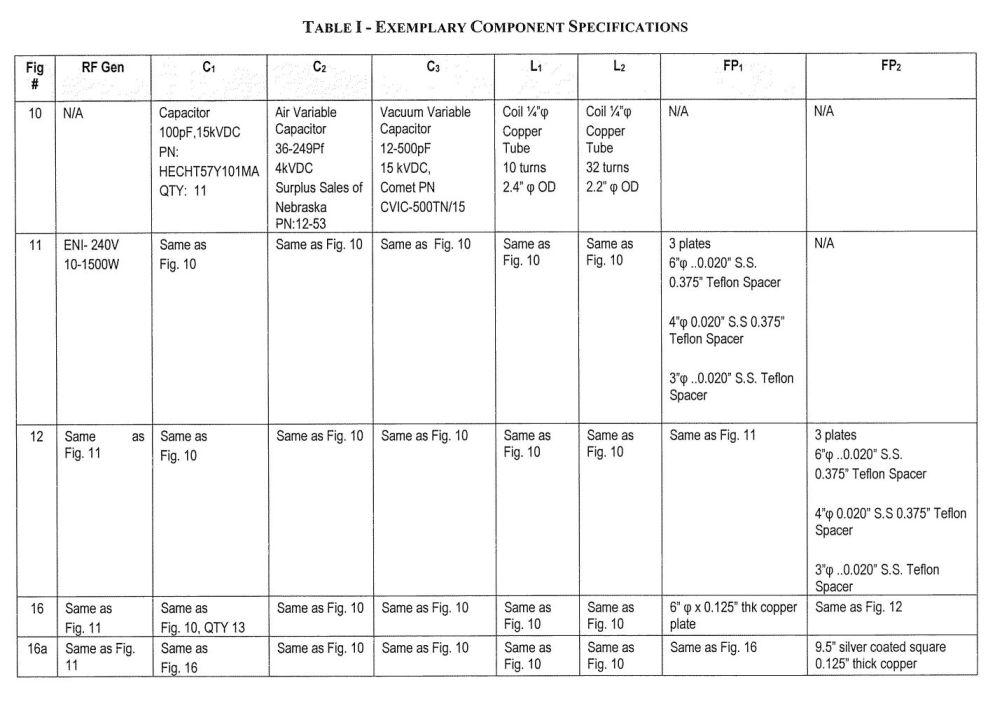
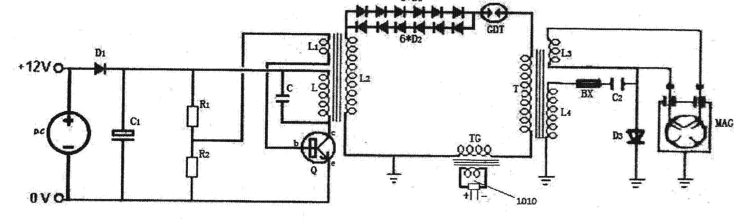
- Electronic circuit components (isolator, mixer, directional coupler, multiplier, digital frequency controllers, linear amplifiers)
Mechanisms of Action
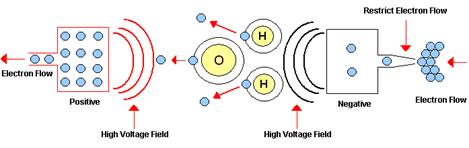
- High-frequency electromagnetic fields cause rotational/vibrational excitation of water molecules
- Combined frequencies (primary + secondary) are mixed to produce a coordinated effect that breaks O-H bonds
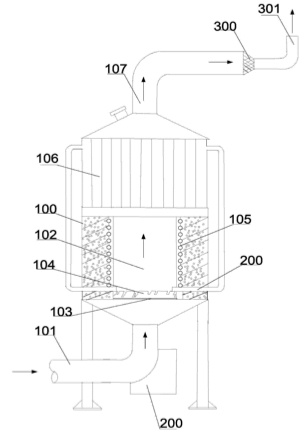
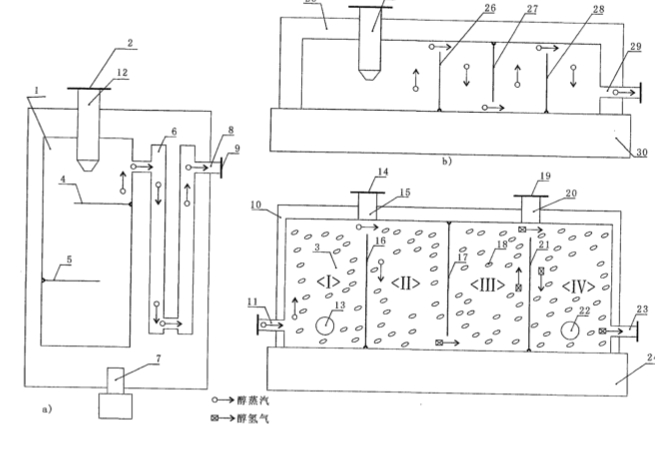
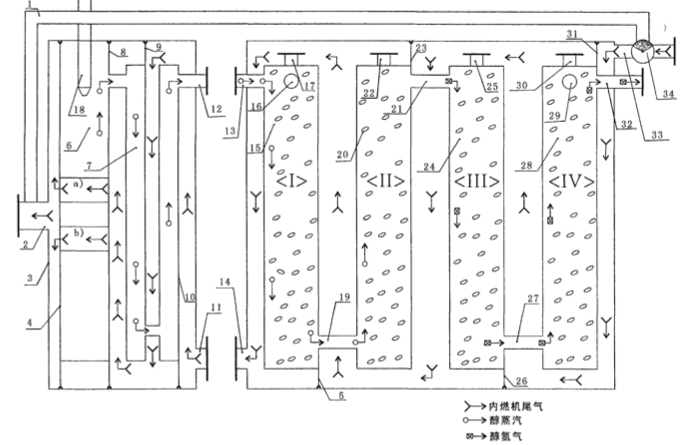
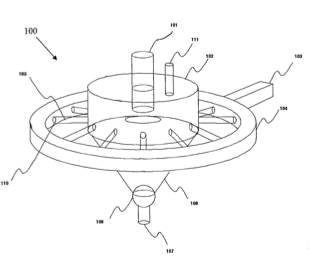
- Produced gases are separated by sorting guides
Energy Sources
Applications
- Vehicle propulsion (mopeds, motorcycles)
- Portable hydrogen generation
Claimed Performance
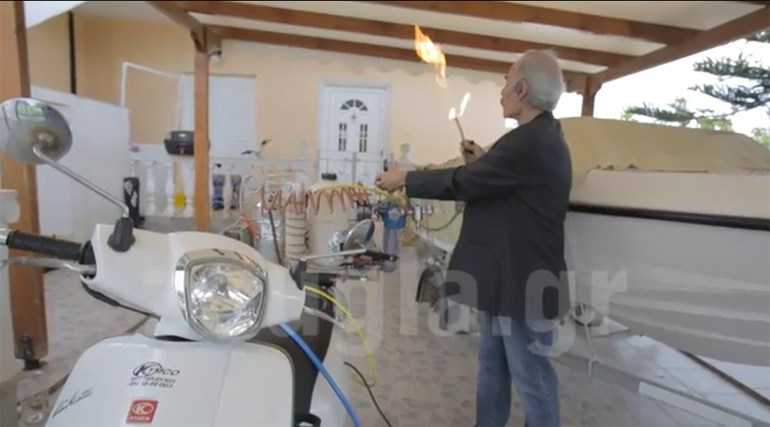
A moped traveled ~10 km using only water as fuel after the device produced hydrogen on-board.
Experimental Evidence
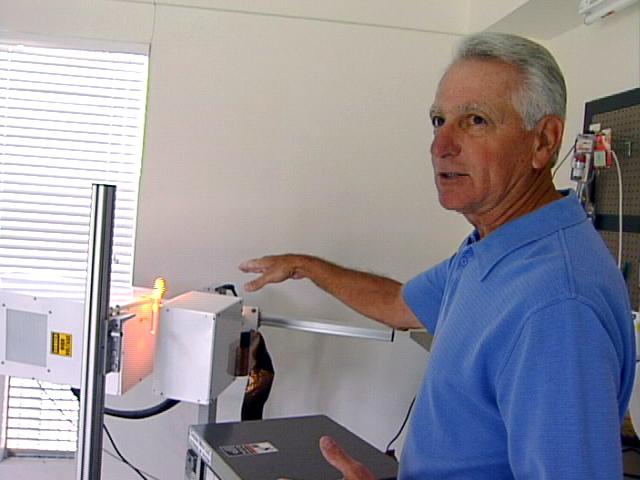
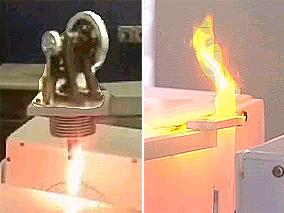
Video reports of a demonstration where the device was turned on and a low-capacity motorcycle completed a 10 km run, allegedly powered by the generated hydrogen.
Replication Status
No independent replication or peer-reviewed data reported.
Limitations
- No quantitative efficiency data
- Energy input vs. hydrogen output not disclosed
- Reliance on proprietary, undisclosed formula
- Potential high RF power requirements
Red Flags
- Claims of "water-powered" vehicles without peer-reviewed evidence
- Reference to "overunity" style high-frequency electrolysis
- Lack of disclosed methodology or reproducible data