Goal
Provide a fast-acting, material-friendly disinfectant that inactivates bacteria, viruses, fungi and prions on surgical instruments.
Problem
Persistent hospital-acquired infections and the difficulty of decontaminating prions and other resistant pathogens on medical equipment.
Concept Summary
An aqueous formulation containing (a) an anionic detergent (e.g., SDS), (b) an alkali hydroxide (NaOH or KOH), (c) a short-chain alcohol (1-4 carbon atoms), and (d) water. The mixture exploits alkaline hydrolysis, detergent-induced protein destabilisation, and alcohol-mediated effects to denature and detach pathogenic proteins, including prions, while remaining non-corrosive to instruments.
Principles
- Alkaline hydrolysis of protein structures
- Detergent-induced disruption of hydrophobic cores
- Alcohol-mediated protein destabilisation
- Chaotropic salt effects on hydrogen bonding
Scientific Domains
Materials
- Sodium dodecyl sulphate (SDS)
- NaOH
- KOH
- Alcohol (C1-C4)
- Water
Mechanisms of Action
- Protein denaturation
- Surface decontamination
- Prion inactivation via destabilisation of PrPSc
Applications
- Hospital surgical instrument disinfection
- Broad-range surface decontamination in medical settings
Claimed Performance
Effective against a broad range of bacteria, non-enveloped viruses, mycobacteria and prions; fast-acting; material-friendly; cheap and easy to prepare.
Experimental Evidence
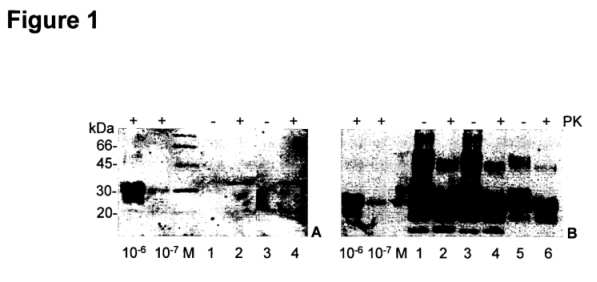
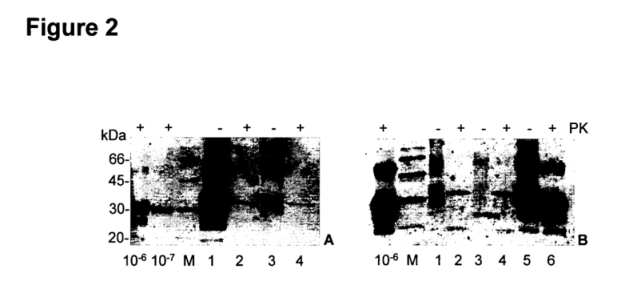
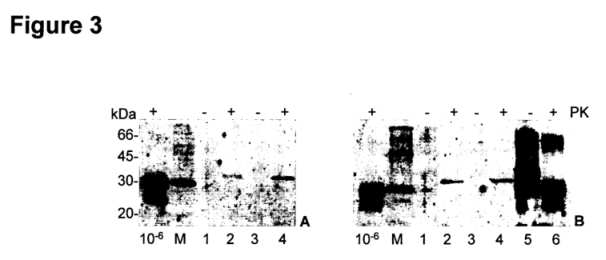
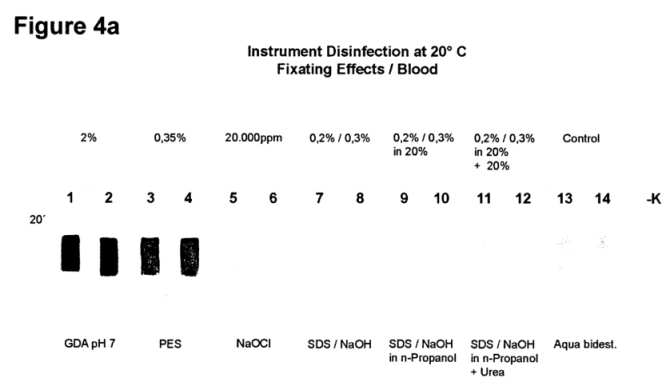
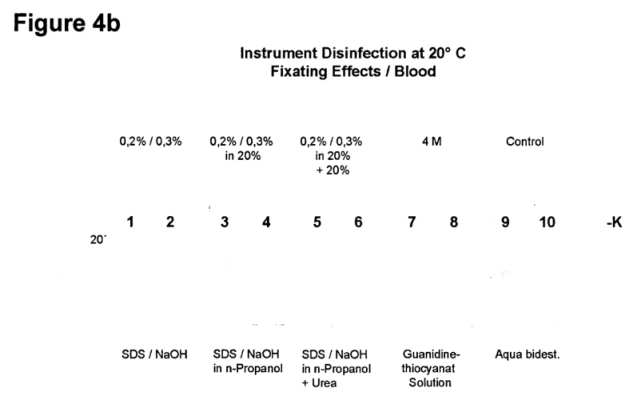
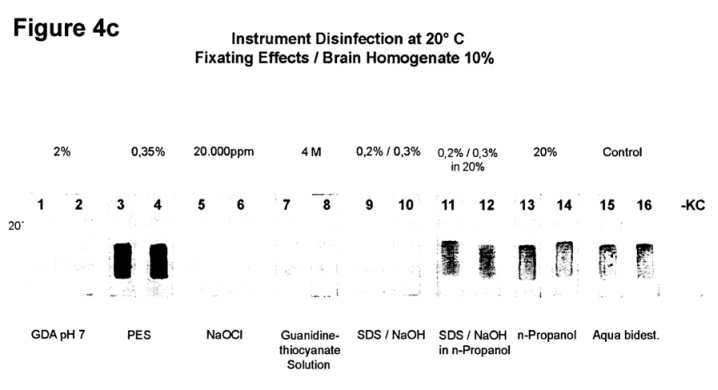
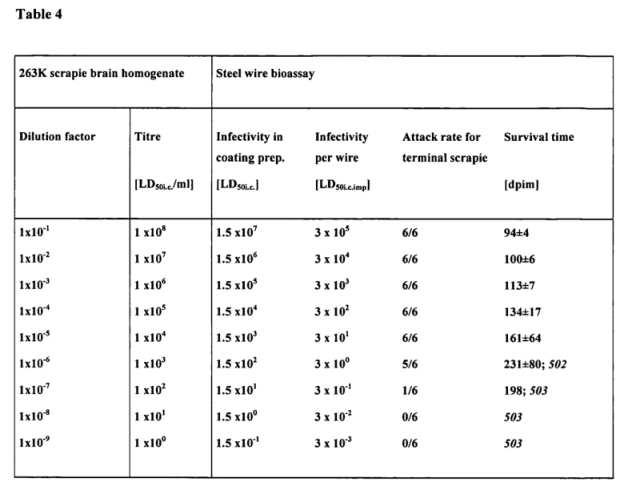
In-vitro assay on steel wires contaminated with 263K scrapie brain homogenate; residual PrPSc measured by Western blot with/without proteinase K digestion, showing significant reduction after treatment with the formulation.
Limitations
- Efficacy demonstrated only in laboratory (in-vitro) assays
- Potential material compatibility issues not fully explored