Goal
Extract gold (ORMUS monoatomic gold) from glass using microwave heating and claim a source of cheap, clean energy and regenerative properties.
Problem
Inefficient and costly traditional gold extraction methods; desire for low-cost energy and healing technologies.
Concept Summary
A microwave-driven process that melts glass containing gold, iteratively casts and re-melts the material to release ORMUS (orbitally rearranged monoatomic) gold atoms. The same research program also explores a crystal-filament light bulb powered by a unified "SuperLight" field.
Detailed Description
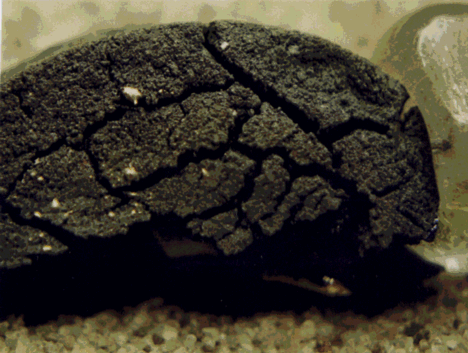
The article describes using a 600-900 W kitchen microwave to melt and cast metals contained in glass. The process requires three to four iterations, during which the temperature is monitored and the melting appears visually impressive. Separate sections mention the inventor's crystal-growing business and a patented crystal-filament light bulb (U.S. Patent 4,864,186) that allegedly utilizes a single crystal fiber as a filament. Milewski links these activities to a unified field theory called "SuperLight" energy, claiming potential applications in cheap clean energy, healing, and regeneration.
Principles
- Microwave dielectric heating
- Orbitally rearranged monoatomic (ORMUS) theory
- Crystal growth and filament illumination
- Unified field (SuperLight) energy concept
Scientific Domains
Materials
- Glass
- Gold (metallic and ORMUS forms)
- Single-crystal fiber (filament)
- Ceramic substrates
Mechanisms of Action
- Microwave energy raises temperature of glass-gold mixture
- Thermal cycling causes release of monoatomic gold atoms (ORMUS)
- Crystal fiber conducts electricity and emits light via SuperLight field
- Potential energy extraction from ORMUS gas phase
Energy Sources
Applications
- Gold recovery from waste glass
- Low-cost energy generation (claimed)
- Healing and regeneration (claimed)
- Efficient lighting via crystal filament
Experimental Evidence
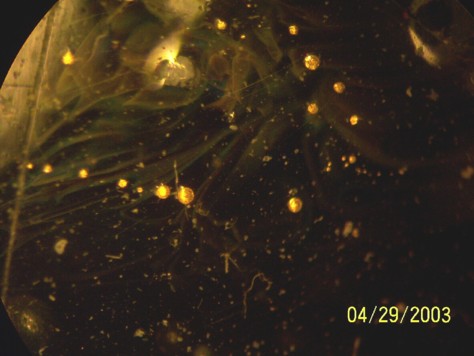
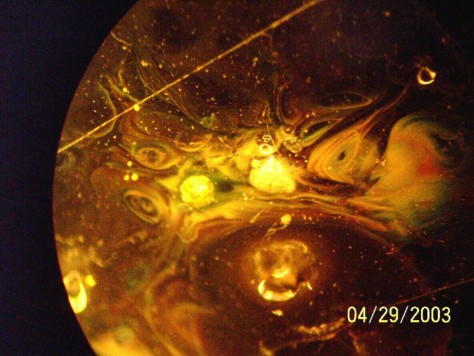
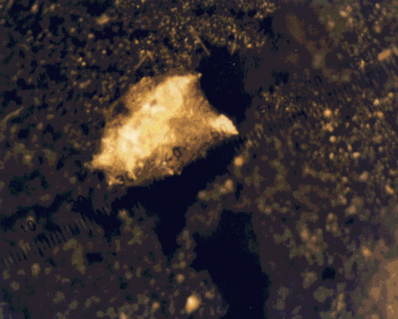
Video demonstrations (Part 1 and Part 2) show a kitchen microwave melting and casting metals, with visible molten material and temperature monitoring. The crystal-filament light bulb is exhibited at the Smithsonian American History Museum.
Replication Status
Demonstrated in video; no independent replication reported.
Limitations
- No quantitative yield data reported
- Reliance on unverified ORMUS theory
- Safety concerns with melting metals in domestic microwaves
- Lack of peer-reviewed validation
Red Flags
- Extraordinary claims of cheap clean energy and healing without peer-reviewed evidence
- Use of fringe ORMUS terminology
- Patent cited for lighting, but no data on energy performance