Confidence
0.60
Practicability
0.50
Evidence
0.40
Fringe Score
0.90
Risk
0.20
TRL
2
Goal
Generate excess energy (over-unity) and produce antigravitational effects using a purely mechanical system.
Problem
Need for new, highly efficient energy sources and methods to counteract gravity for propulsion or lift.
Concept Summary
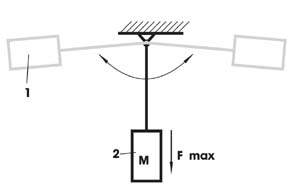
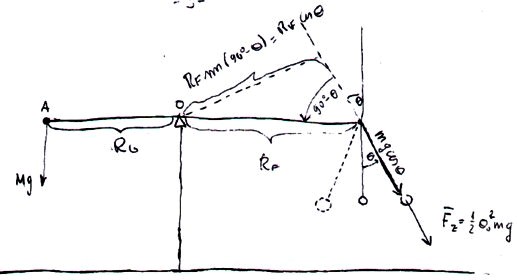
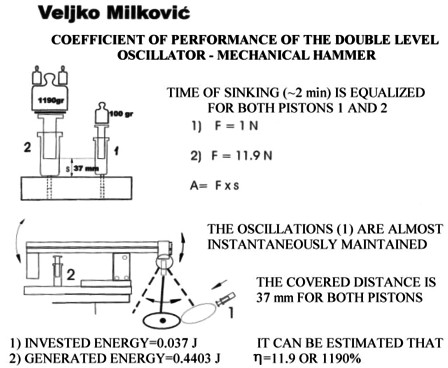
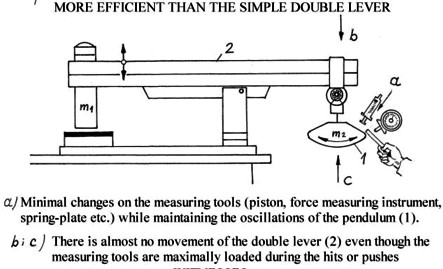
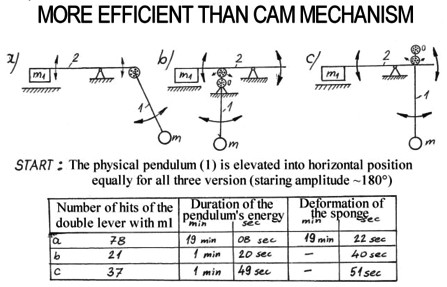
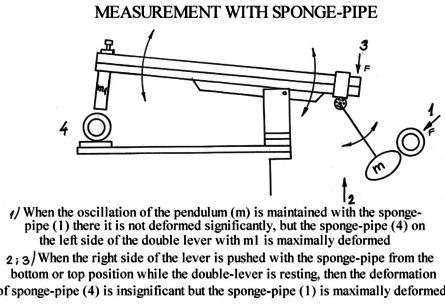
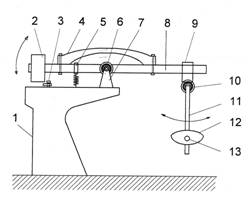
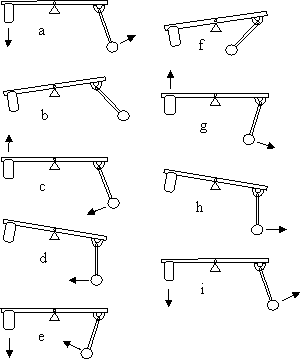
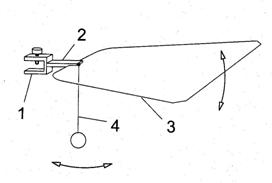
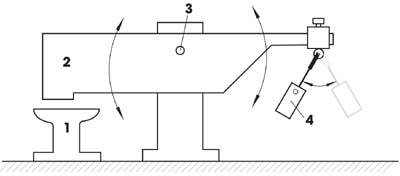
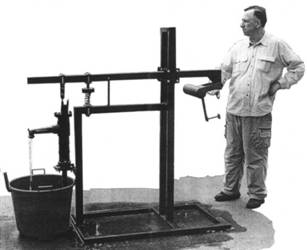
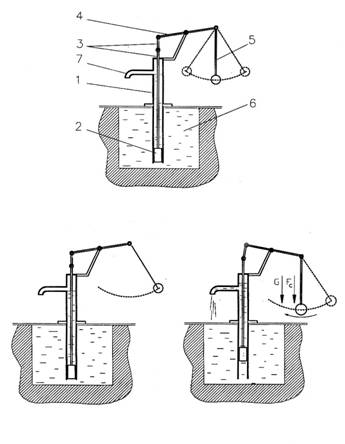
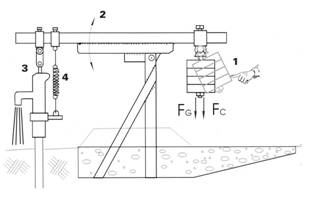
A simple mechanical arrangement that employs double (single-and-double) oscillations of a pendulum-driven mass-spring-piston system. The device claims to convert inertial forces and gravitational potential into usable output energy, achieving a reported 9:1 to 12:1 over-unity ratio.
Principles
- Inertial force exploitation
- Gravitational potential energy
- Mechanical resonance
- Double-stage oscillation
Scientific Domains
Mechanisms of Action
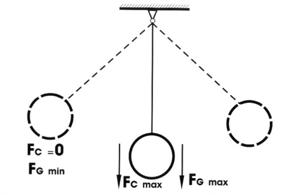
- Oscillatory motion of a pendulum
- Energy extraction from inertial forces
- Conversion of gravitational potential during piston stroke
Energy Sources
Applications
- Alternative power generation
- Antigravitational propulsion concepts
Claimed Performance
9:1 over-unity (up to 12:1 reported in experiments).
Experimental Evidence
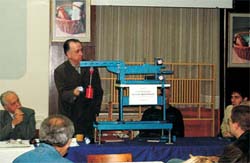
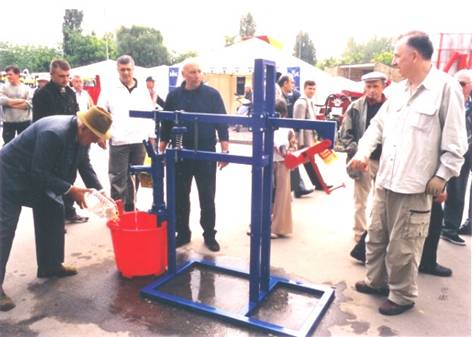
Milkovic reports that his prototype produced twelve times more output energy than the energy supplied to the pendulum.
Limitations
- No independent, peer-reviewed verification
- Lack of detailed schematics and quantitative data
- Scalability of the mechanical system not demonstrated
Red Flags
- Extraordinary over-unity claim without experimental data
- Absence of third-party replication
- Potential for pseudoscientific interpretation