Goal
Treat non-melanoma skin cancers using a topical plant-derived preparation.
Problem
Superficial skin cancer lesions (basal cell, squamous cell, intraepidermal) that are unsuitable for surgery or have failed conventional therapy.
Concept Summary
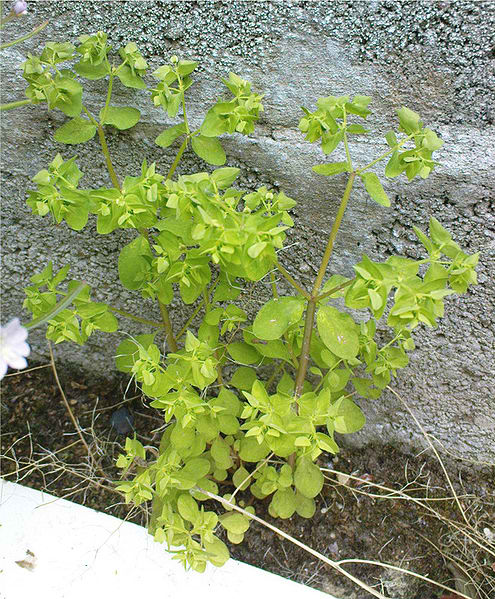
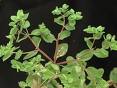
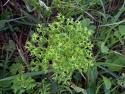
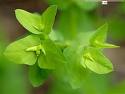
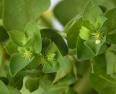
The milky sap of Euphorbia peplus contains the compound ingenol mebutate (ingenol angelate). When applied topically to skin cancer lesions, the compound induces rapid mitochondrial disruption and necrotic death of tumor cells while sparing healthy tissue, leading to lesion clearance.
Detailed Description
A clinical study of 36 patients (48 lesions) applied a measured amount of E. peplus sap daily for three consecutive days using a cotton bud. Results showed a high rate of complete response after one month, with sustained clearance in many lesions after up to 15 months. The active ingredient, ingenol mebutate, is a potent cytotoxic agent that selectively destroys tumour cells via mitochondrial dysfunction. The treatment is topical, inexpensive to produce from the plant, but the sap is a severe irritant and can cause eye inflammation or severe skin pain if mishandled.
Principles
- Topical delivery of a plant-derived cytotoxic compound
- Selective mitochondrial disruption leading to necrosis of cancer cells
Scientific Domains
Materials
- Euphorbia peplus milky sap
- Ingenol mebutate (ingenol angelate)
Mechanisms of Action
- Mitochondrial disruption in tumour cells
- Primary necrosis of cancerous tissue
Applications
- Topical treatment for non-melanoma skin cancer
Claimed Performance
41 of 48 lesions cleared after one month; 75 % complete response for intraepidermal carcinomas, 57 % for basal cell carcinomas, 50 % for squamous cell carcinomas; two-thirds of lesions remained cleared after an average of 15 months.
Experimental Evidence
A clinical study of 36 patients with 48 non-melanoma skin cancer lesions treated with E. peplus sap; results reported in the British Journal of Dermatology.
Limitations
- Small clinical sample size
- Variability of sap concentration between plants
- Potential severe irritation to eyes and skin
Red Flags
- Sap is a severe irritant; risk of eye injury
- Potential for unregulated home use