Goal
Provide a highly efficient electric motor that consumes far less electricity than conventional motors and can generate surplus electrical power.
Problem
High electricity consumption and heat generation of conventional electric motors, leading to large operating costs.
Concept Summary
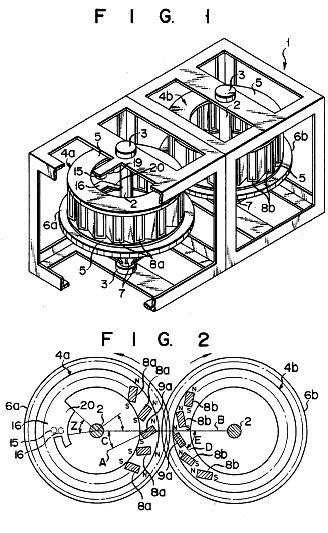
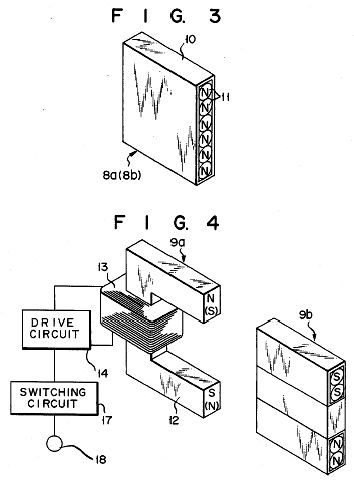
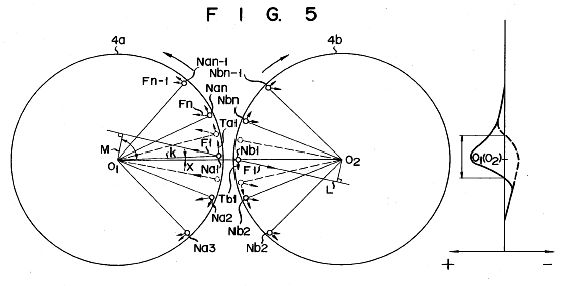
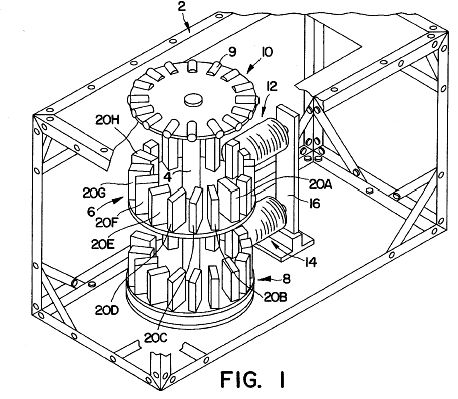
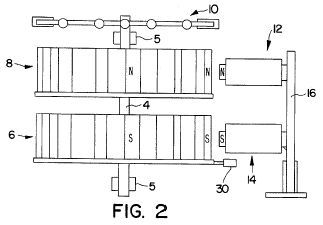
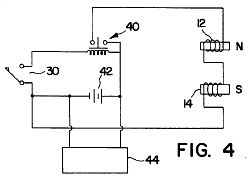
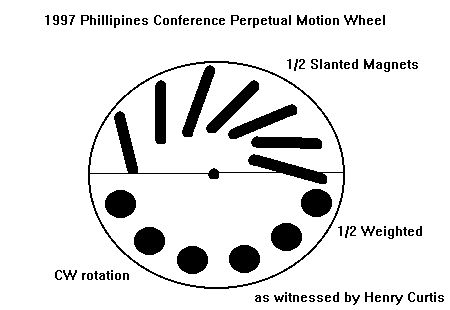
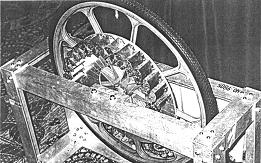
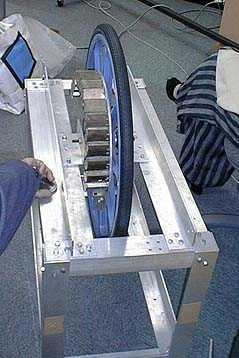
The Minato motor uses a rotor embedded with permanent magnets arranged at specific angles and two electromagnetic stators that give timed pulses to keep the rotor moving. The repulsion between the stator fields and the rotor magnets is claimed to sustain motion and produce mechanical output with an efficiency far exceeding 100 %.
Detailed Description
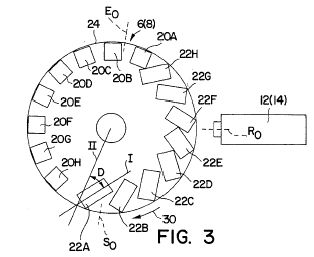
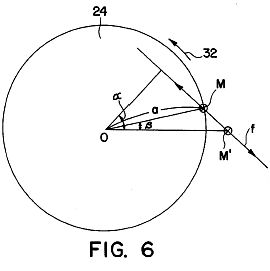
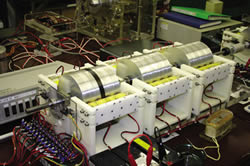
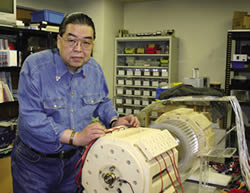
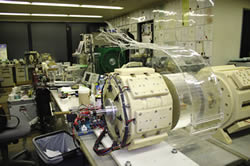
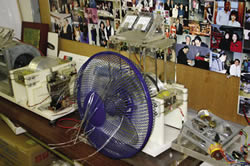
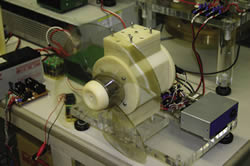
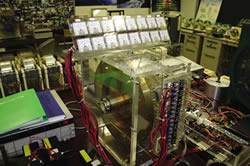
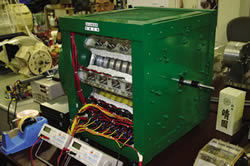
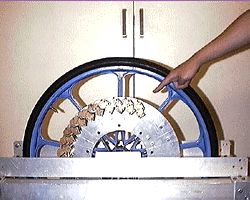
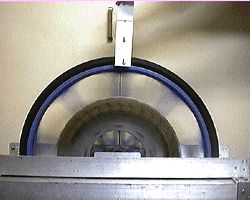
The motor consists of a rotor bearing 16 permanent magnets mounted on a slanted surface. Two electromagnetic stators are positioned on either side of the rotor. Small electrical pulses to the stators push the rotor past magnetic lock-up points, after which the permanent-magnet repulsion continues to drive the rotor clockwise. The design is claimed to eliminate magnetic lock-up, reduce heat, and operate silently. Prototypes include a cooling-fan unit for convenience-store chains, a car-air-conditioning unit, and a larger 35 kg rotor that spins at >1500 rpm with only ~16 W of electrical input. In a test configuration a generator attached to the motor produced 9.144 V x 192 mA ~= 1.755 W output from an input of 1.8 V x 150 mA ~= 0.54 W, suggesting an efficiency of about 330 %.
Principles
- Permanent magnet repulsion
- Timed electromagnetic pulsing
- Magnetic torque amplification
Scientific Domains
Materials
- Permanent magnets (e.g., NdFeB)
- Copper wire for stator coils
- Plastic housing
- Battery (small DC source)
Mechanisms of Action
- Magnetic repulsion between rotor and stator poles
- Electromagnetic pulses to overcome lock-up
- Permanent-magnet propulsion
Energy Sources
Applications
- Cooling fans for retail stores
- Automotive air-conditioning units
- Household appliances
- Personal computers
- Cellphone mini-generators
Claimed Performance
330 % efficiency (output 1.755 W from input 0.54 W); rotor speed >1500 rpm; motor consumes <=20 % of power of conventional motors with same torque; 40 000 cooling-fan units sold.
Experimental Evidence
Meter readings showed 1.8 V x 150 mA (~=0.54 W) input to stator electromagnets and 9.144 V x 192 mA (~=1.755 W) output from a generator attached to the motor. A 35 kg rotor spun at over 1500 rpm with a 16 W battery.
Replication Status
The company reports production of 40 000 cooling-fan motors for a major convenience-store chain and prototypes for automotive air-conditioning, indicating limited commercial replication.
Limitations
- Claims of >100 % efficiency lack independent verification
- No peer-reviewed data or third-party testing reported
- Long-term reliability and durability not documented
Red Flags
- Overunity claim contradicts conventional physics
- Lack of independent replication or peer-reviewed publications
- Potential for marketing hype without rigorous testing