Goal
Generate mechanical power from small temperature differences using low-boiling fluids.
Problem
Provide low-cost, renewable, maintenance-free power for remote, under-developed, or energy-short regions without relying on fossil fuels.
Concept Summary
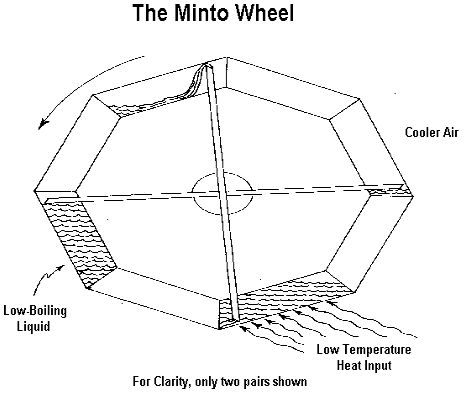
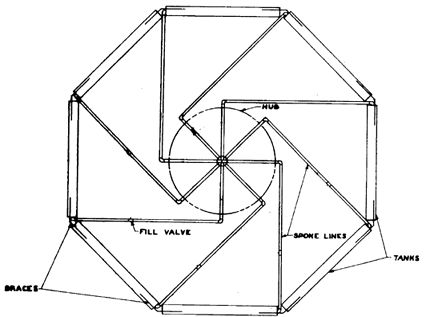
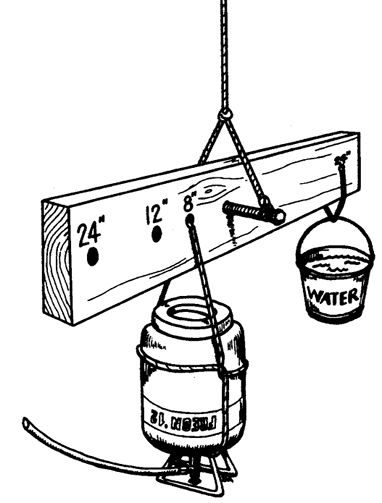
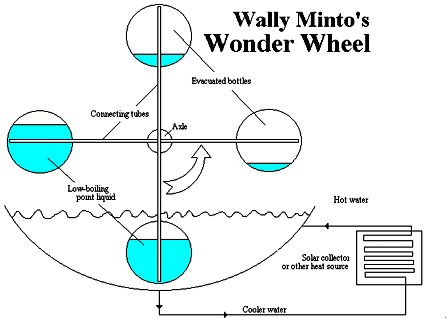
A wheel with diametrically opposite sealed containers filled with a low-boiling liquid (e.g., propane, Freon). Heat at the bottom container vaporizes part of the liquid, raising its pressure and forcing the liquid into the opposite top container. The mass shift creates a torque that turns the wheel, continuously converting a modest temperature gradient into mechanical rotation.
Detailed Description
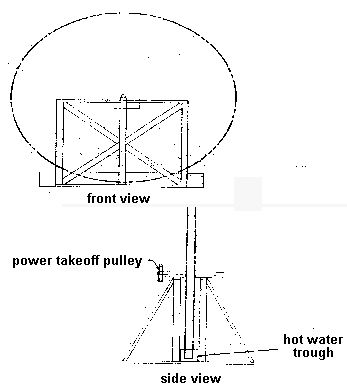
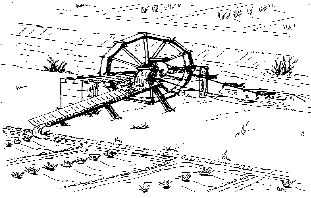
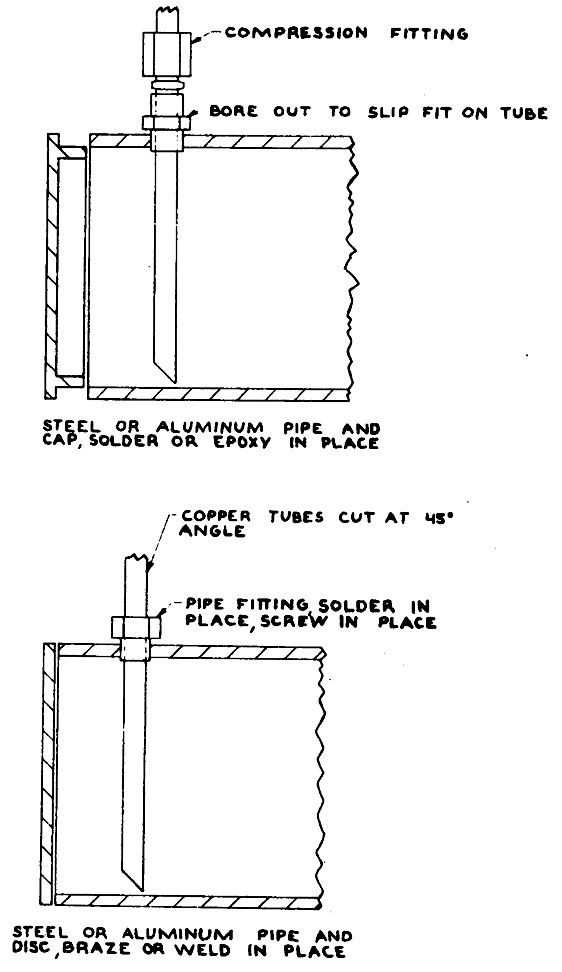
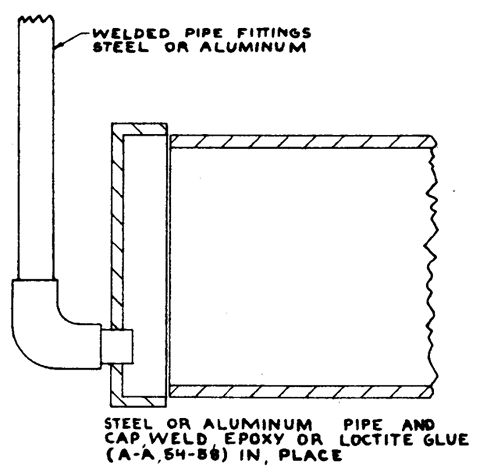
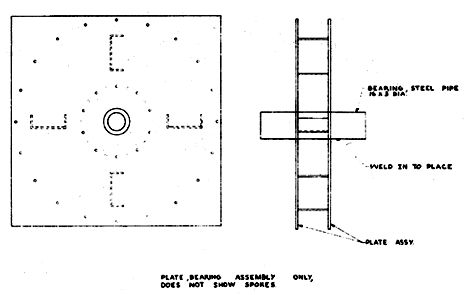
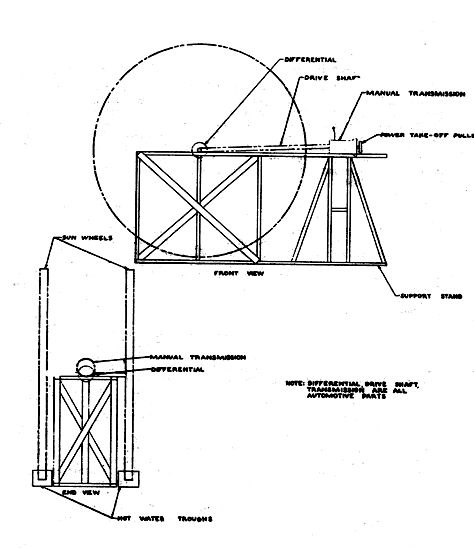
The Minto Wheel consists of a circular array of paired tanks mounted on a rim. Each pair is connected by a tube. The lower tank contains a volatile liquid; the upper tank is initially empty. When the lower tank is heated (by solar-heated water, ambient air, or any modest heat source), the liquid partially vaporizes, increasing its pressure and pushing the liquid up the tube into the upper tank. The upper tank becomes heavier, the lower tank lighter, and gravity causes the wheel to rotate as the heavier side moves downward. As the wheel turns, the filled tank moves to the bottom, reheats, and the cycle repeats, producing continuous torque. The system can be built from scrap pipe, aluminum or steel tanks, and simple fittings, requiring no precision machining. Claimed performance includes up to 85 % thermodynamic efficiency and several horsepower from a 33-ft-diameter wheel operating on a temperature difference as low as 3.5 deg F (~=2 deg C).
Principles
- Phase-change vaporization
- Gravity-driven mass shift
- Thermodynamic cycle using low-boiling fluids
Scientific Domains
Materials
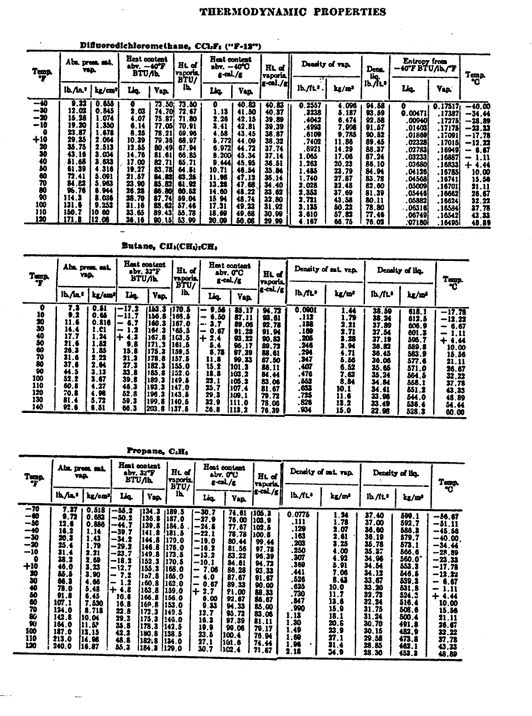
- propane
- Freon (R-12)
- butane
- carbon dioxide
- mercury
- aluminum
- steel
- copper
Mechanisms of Action
- Low-boiling fluid vaporizes when heated
- Pressure difference forces liquid upward
- Mass redistribution creates torque
- Gravity causes wheel rotation
Energy Sources
Applications
- irrigation water pumping
- grain grinding
- wood sawing
- small-scale mechanical power generation
Claimed Performance
85 % efficiency (claimed), 8.69 hp at 1 rpm for a 33-ft-diameter wheel, several horsepower possible with modest temperature differences (~=2-3.5 deg F).
Experimental Evidence
Observer reported the wheel turning at about one revolution per minute when a 155 deg F water source supplied heat; Minto estimated 8.69 hp at 1 rpm for a 33-ft wheel.
Limitations
- Requires a persistent temperature gradient
- Low rotational speed; needs gearing for higher speed applications
- Performance heavily dependent on fluid properties and heat transfer efficiency
- Claims of high efficiency lack independent verification
Red Flags
- Efficiency and power claims are based on anecdotal observation, not peer-reviewed data
- Use of pressurized volatile liquids (propane, Freon) poses explosion or fire hazards if not properly engineered