Goal
Increase the strength and corrosion resistance of steel and other metals by up to tenfold, enabling longer-lasting infrastructure and lighter vehicles.
Problem
Limited strength and corrosion resistance of conventional steel leading to premature failure of bridges, oil-field equipment, and other structural components.
Concept Summary
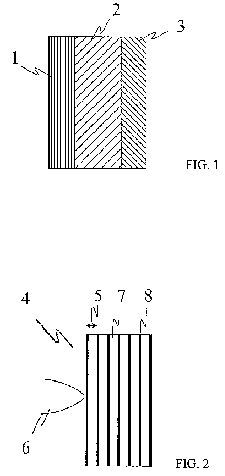
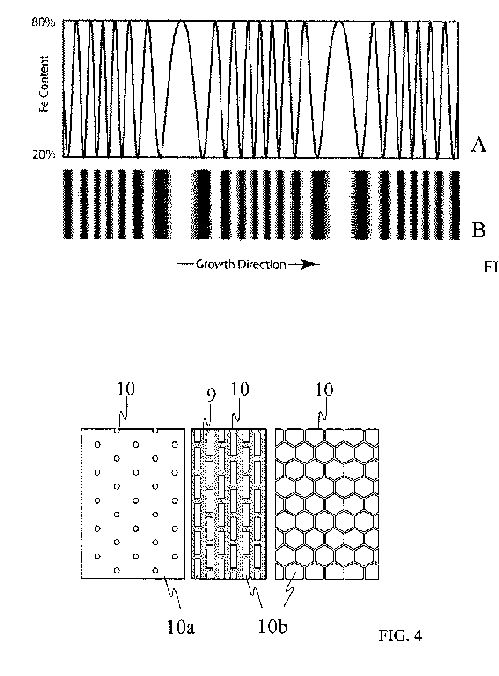
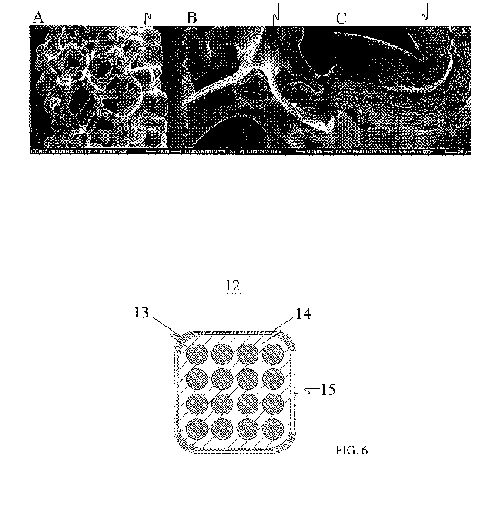
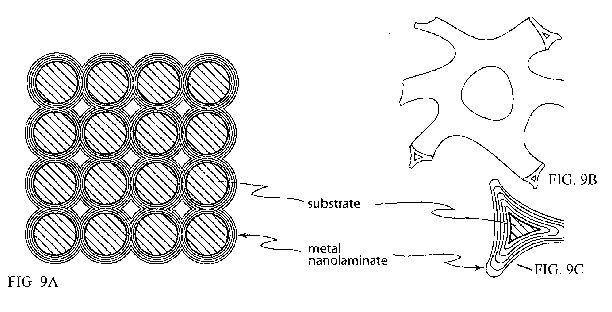
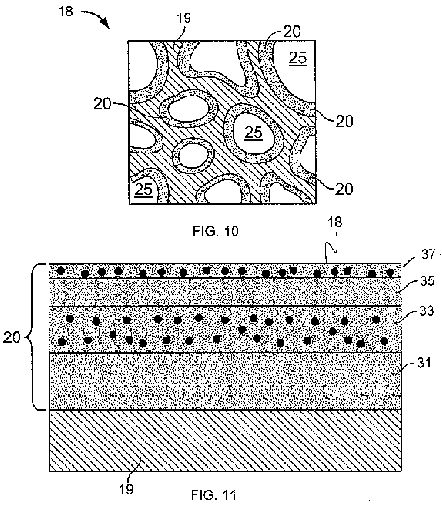
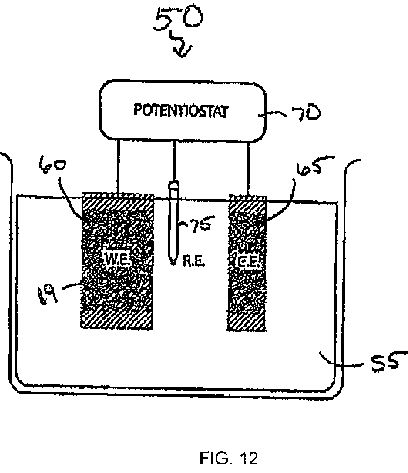
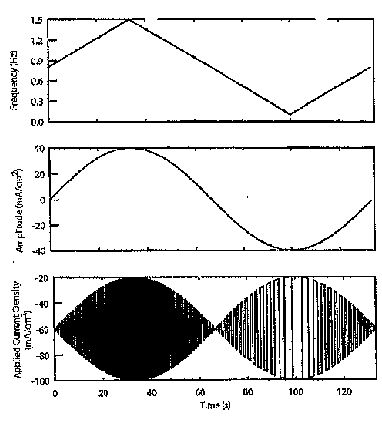
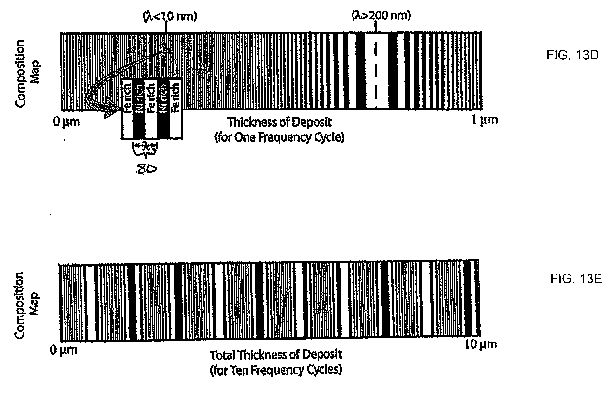
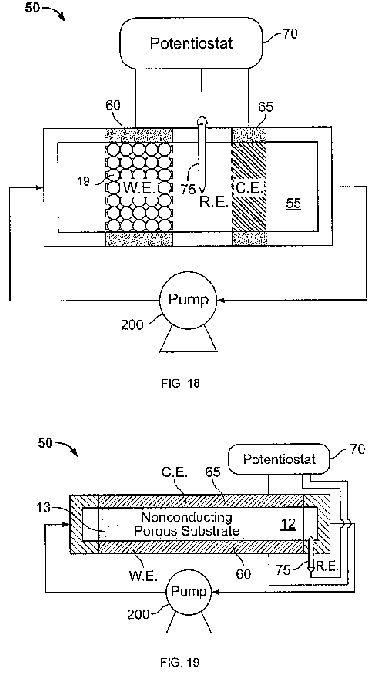
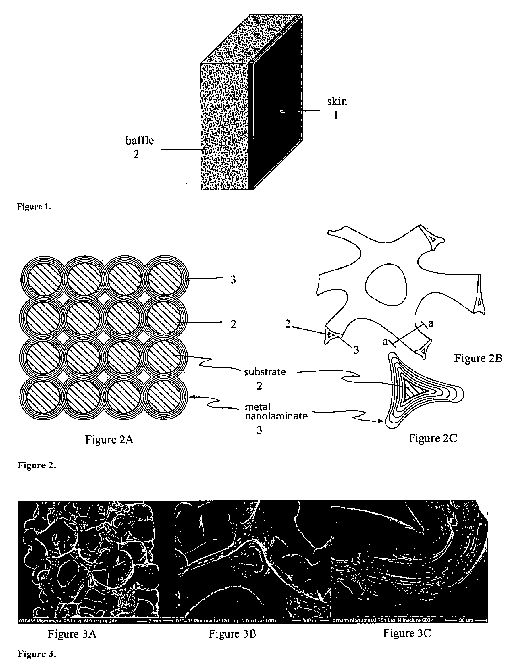
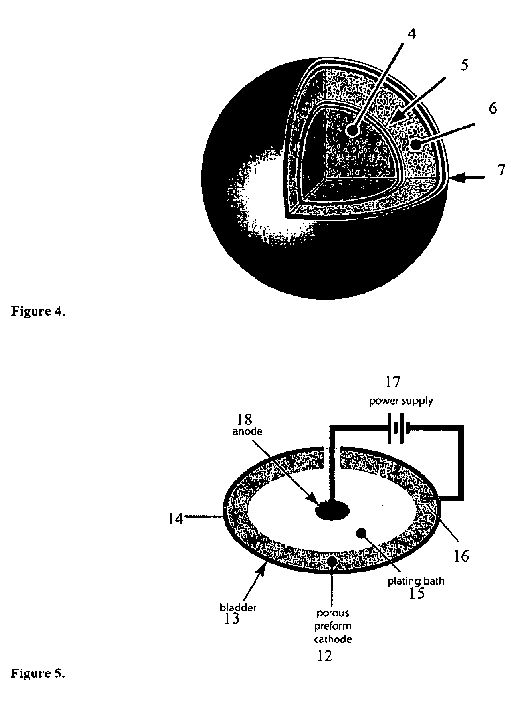
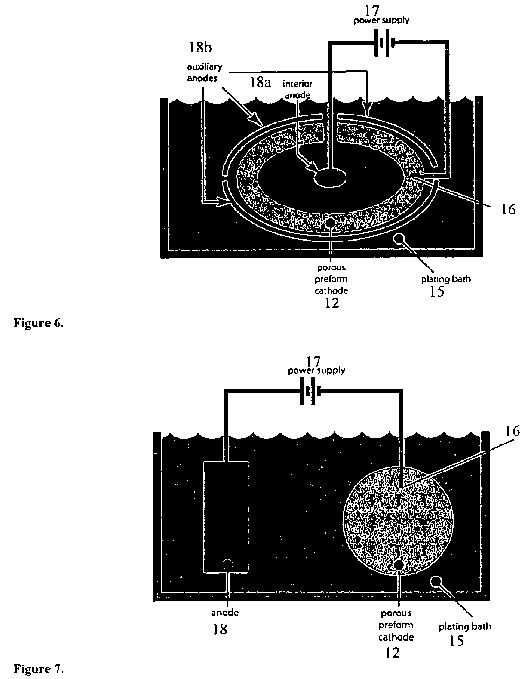
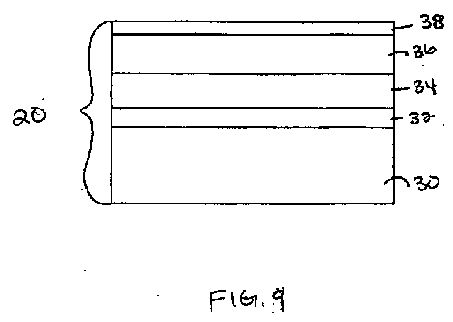
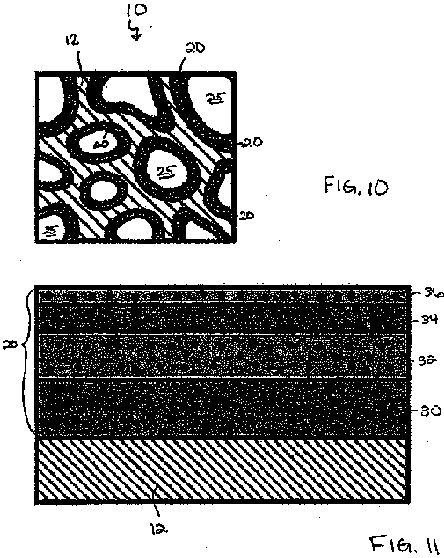
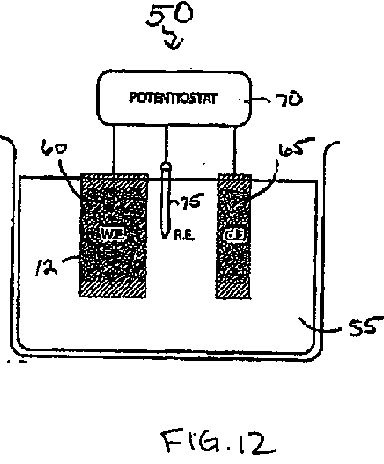
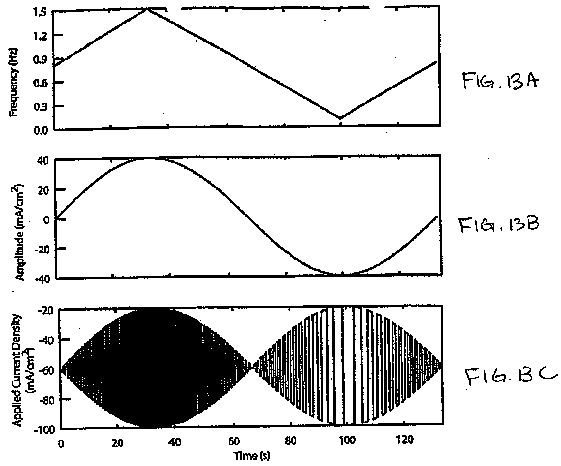
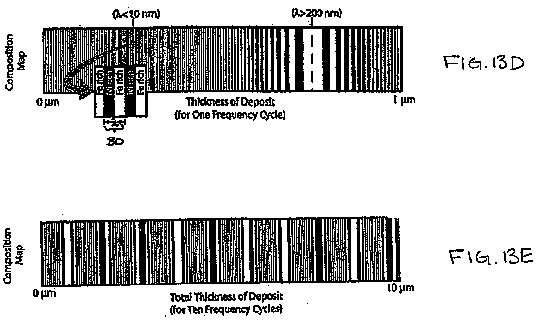
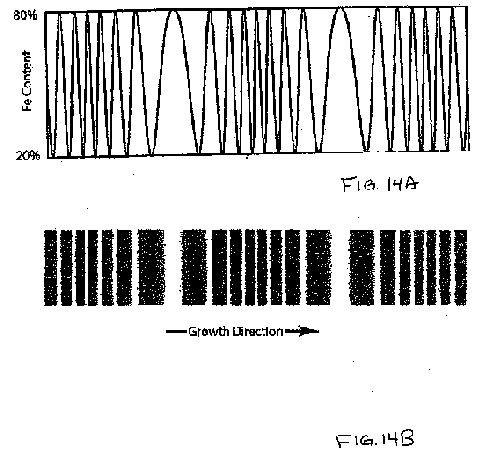
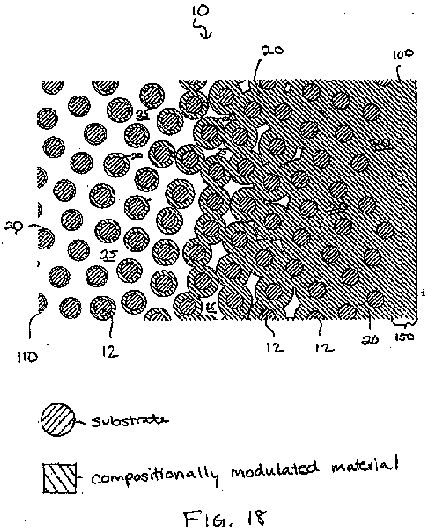
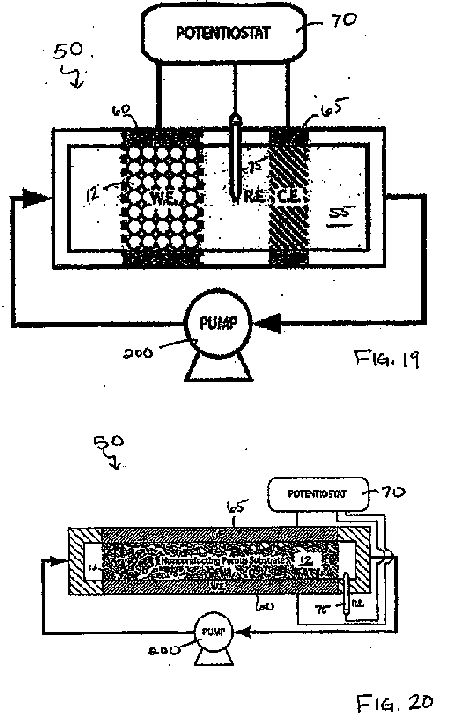
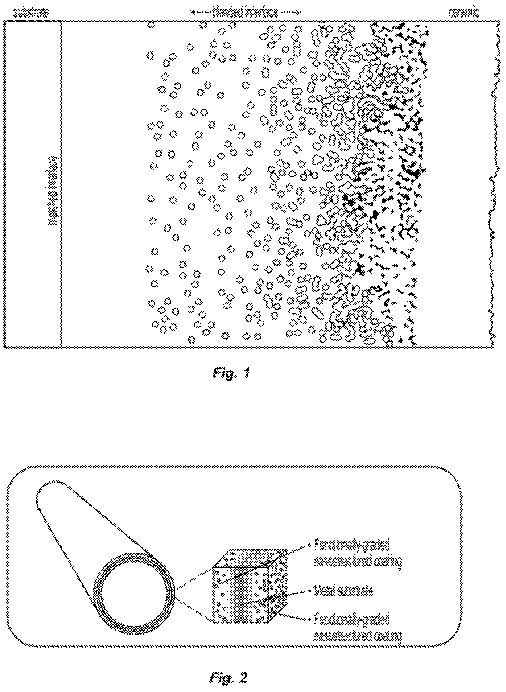
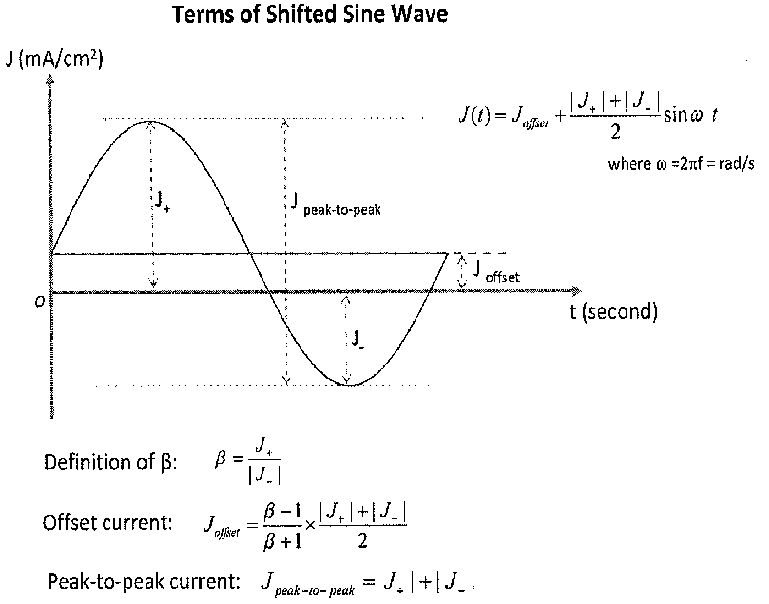
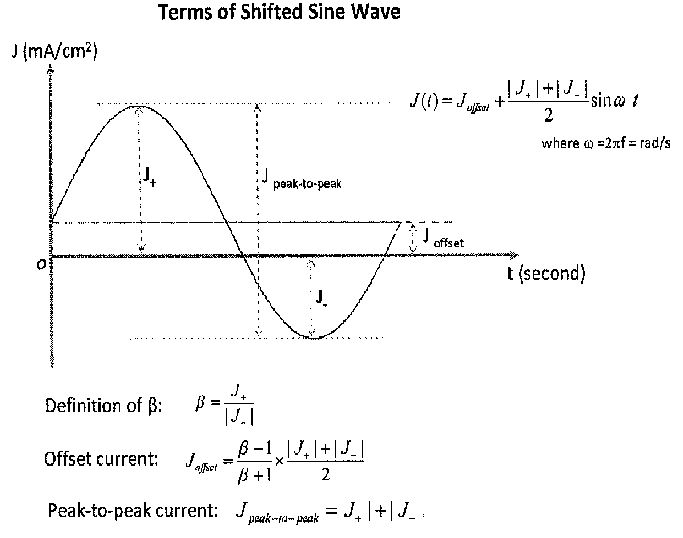
Modumetal uses a multi-ion electroplating bath combined with precise current-profile control to deposit nanometer-scale alternating layers of different metals, ceramics, or polymers. The resulting nanolaminated coating (functionally graded) can be up to a centimeter thick, dramatically improving strength, wear, corrosion, and high-temperature performance of the underlying metal.
Detailed Description
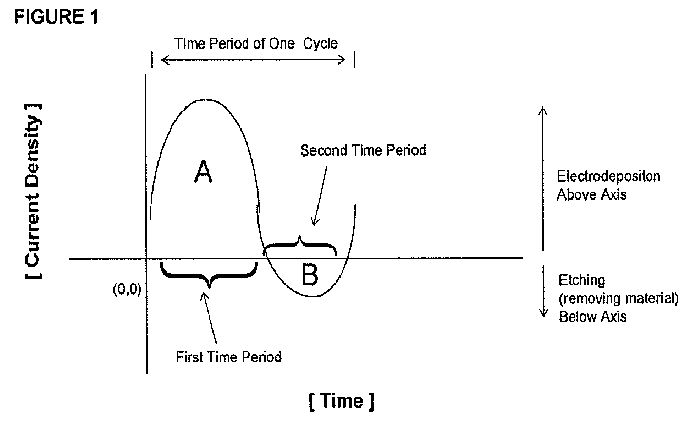
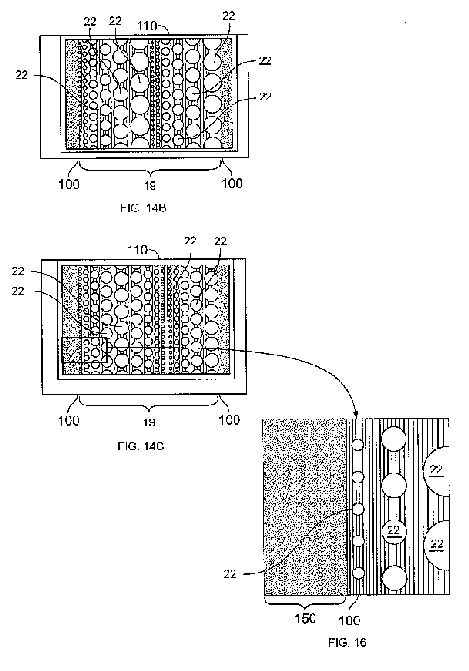
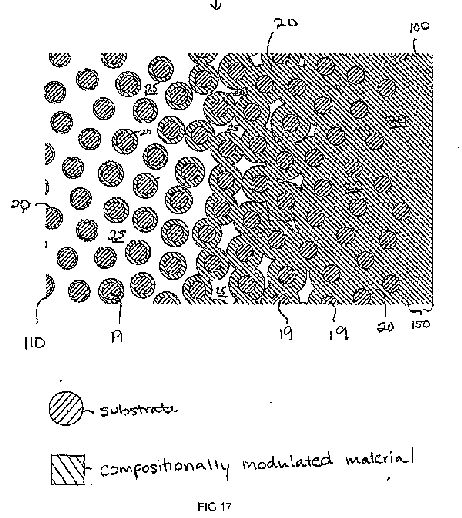
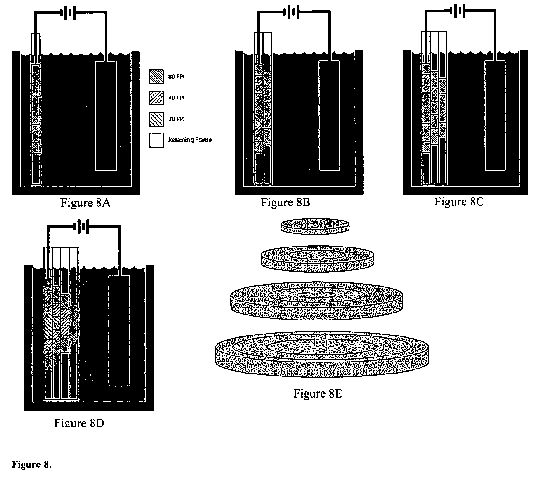
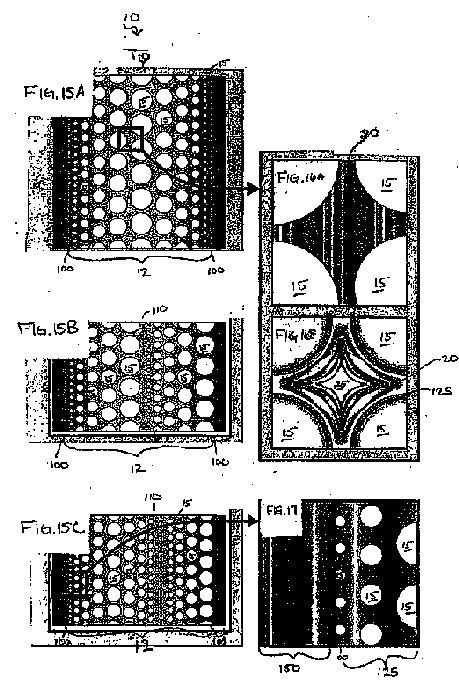
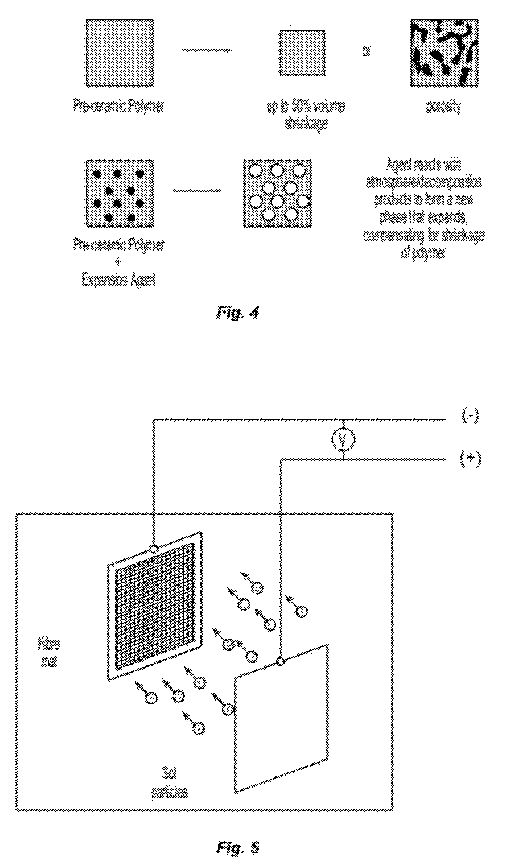
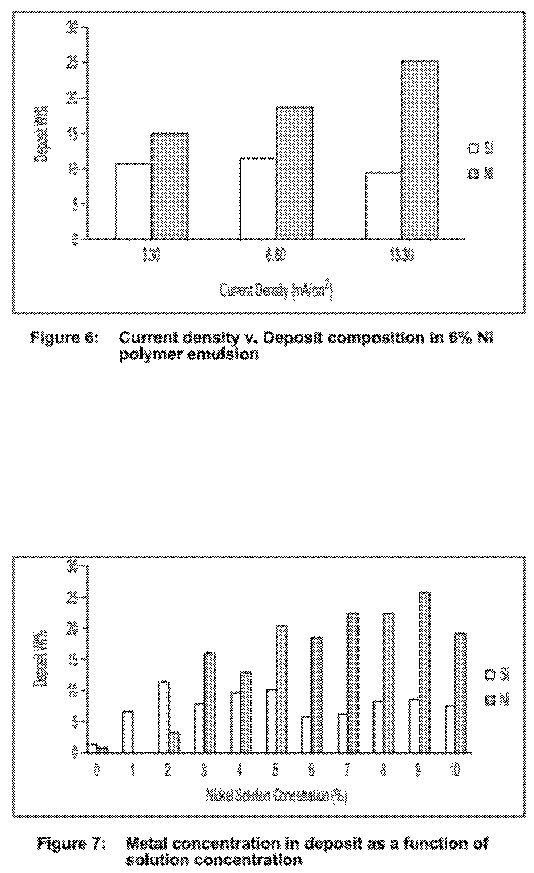
The process is an advanced form of electroplating where a bath containing more than one metal ion is used. By varying the electrical current at precise moments, layers only several nanometers thick and of differing composition are deposited, creating a nanolaminated structure. The technology also incorporates electrophoretic deposition and a Layered Electrophoretic And Faradaic (LEAF) method to blend metal, ceramic, and polymer phases, enabling functionally graded coatings that stop crack propagation and provide corrosion barriers. Parts up to meters in length have been produced, and a coating up to 1 cm thick can be applied in a single step. The company claims the process cost is comparable to conventional treatments such as galvanization.
Principles
- Nanolayering (nanometer-scale alternating layers)
- Electroplating with multi-ion bath
- Current-profile control for layer composition
- Electrophoretic deposition
- Functionally graded material design
Scientific Domains
Materials
- Metal ions (e.g., Ni, Si, Fe)
- Ceramic particles (e.g., SiC, TiN)
- Polymer-derived ceramics
- Active filler metals (Al, Ti)
- Pre-ceramic polymer emulsions
Mechanisms of Action
- Crack deflection at nanolaminate interfaces
- Barrier formation against corrosive chemicals
- Tailored composition for high-temperature stability
Energy Sources
Applications
- Infrastructure (bridges, buildings)
- Oil-field equipment
- Military armor
- Automotive components
- Aerospace structures
Claimed Performance
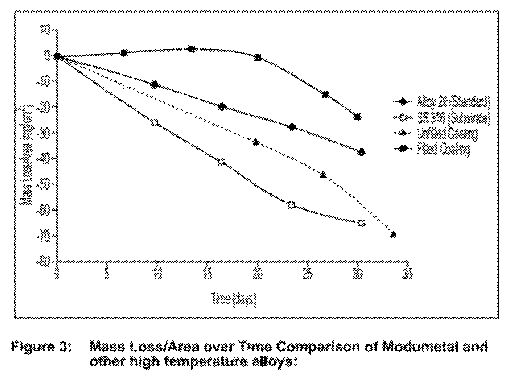
Up to tenfold increase in tensile strength of steel; significantly higher corrosion resistance; comparable cost to conventional galvanization.
Experimental Evidence
The article reports that parts made with the technology are being tested in oil fields that where corrosive hydrogen sulfide is present. A materials-science professor is that nano-engineered layers can stop crack propagation. No quantitative test data are provided.
Replication Status
Limited field testing in oil-field equipment; production capacity being ramped up at a factory in Washington state; no independent replication reported.
Limitations
- Cost claims have not yet been proven at large scale
- Standardized testing and certification still required
- Scalability to very large structures not fully demonstrated