Goal
Reduce energy consumption and drying time of clothes by using high-frequency ultrasonic vibration to mechanically extract moisture instead of heating air.
Problem
Conventional clothes dryers consume large amounts of electricity or natural gas, rely on heated air, generate lint, and pose overheating safety hazards.
Concept Summary
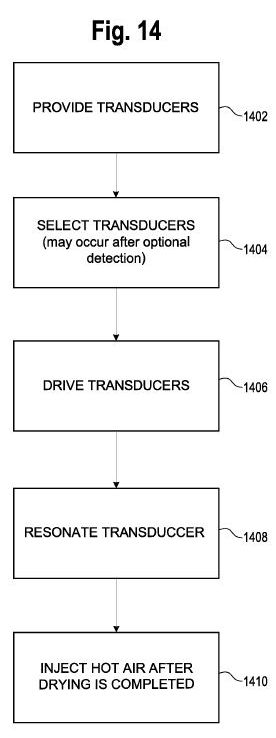
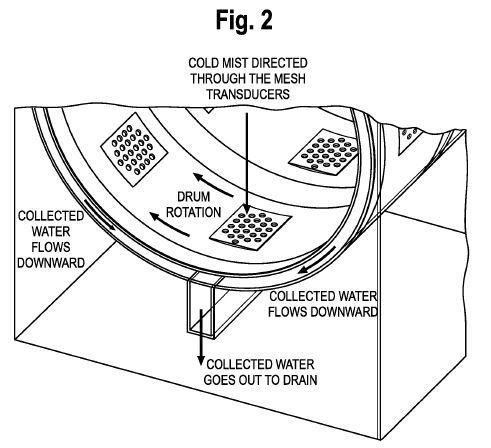
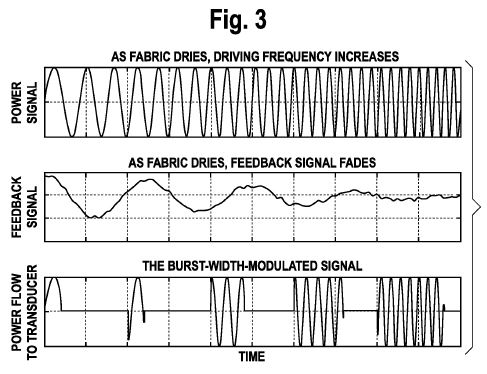
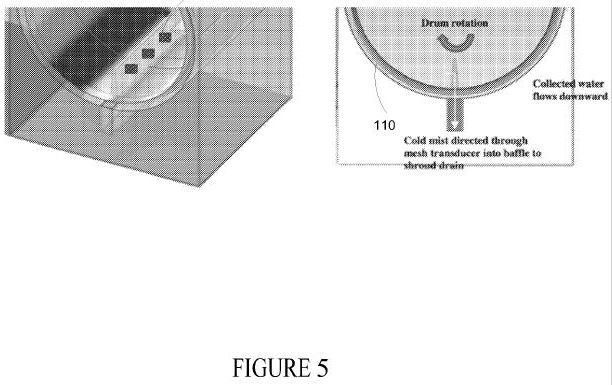
Piezoelectric transducers are placed in direct contact with wet fabric. When driven at ultrasonic frequencies (~=50 kHz-2 MHz), they generate high-frequency mechanical vibrations that atomize water into a cold mist. The mist is collected and removed, drying the fabric without heating air, resulting in large energy savings.
Detailed Description
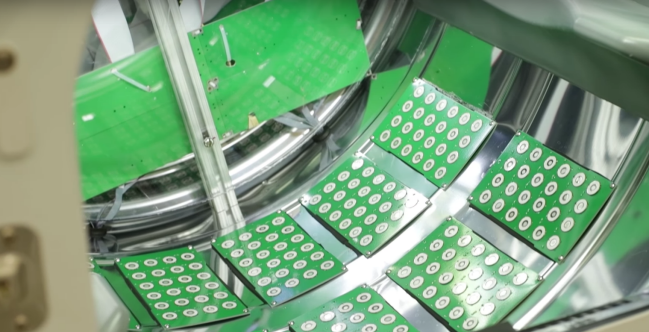
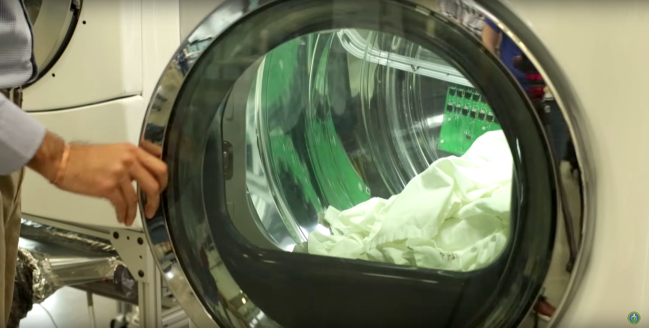
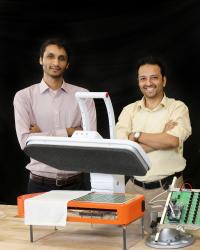
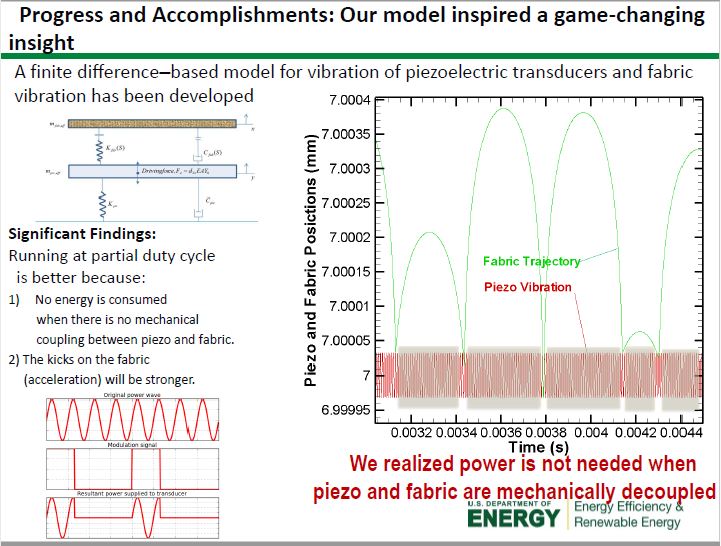
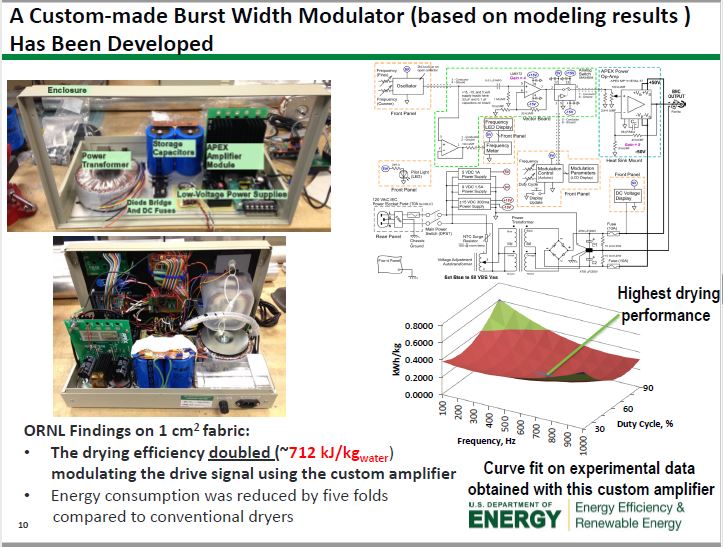
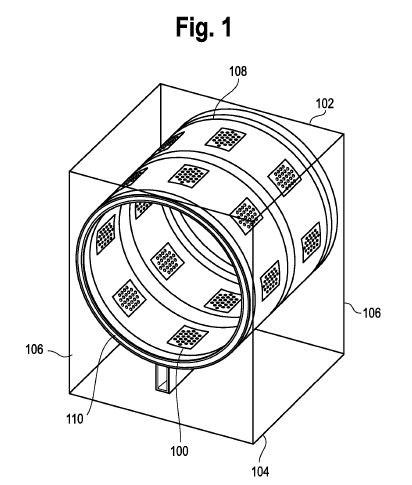
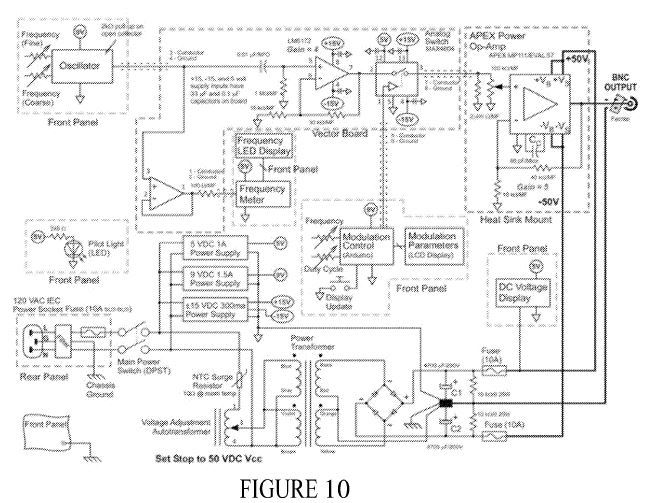
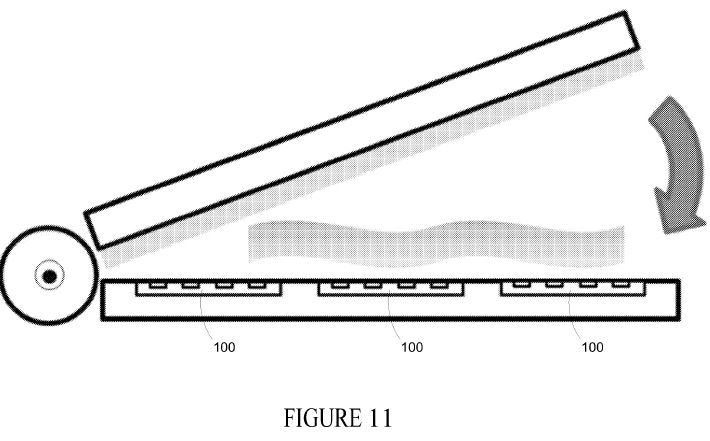
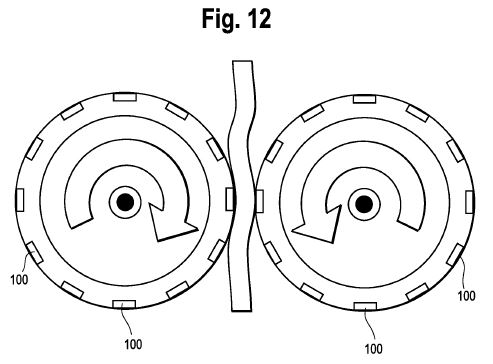
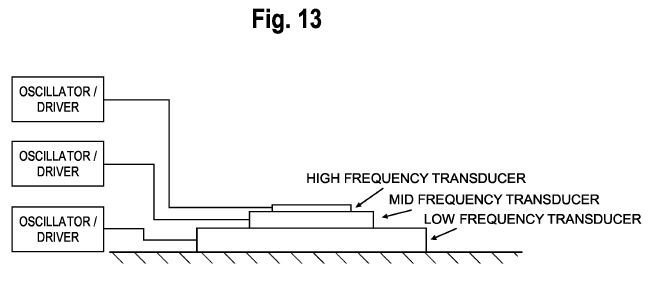
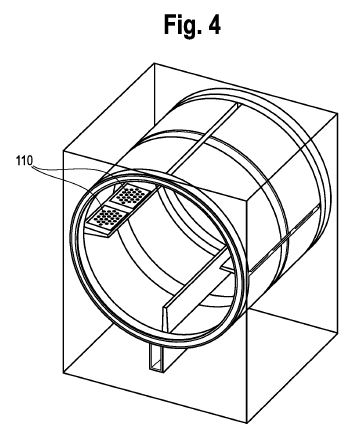
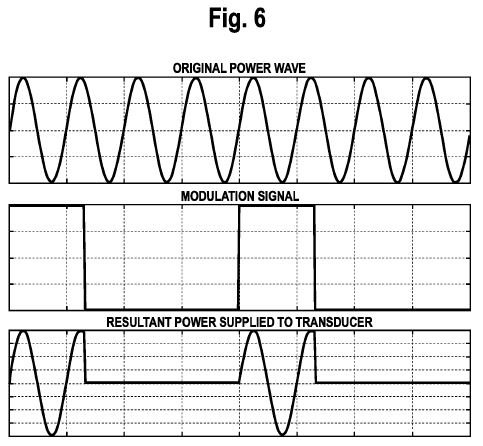
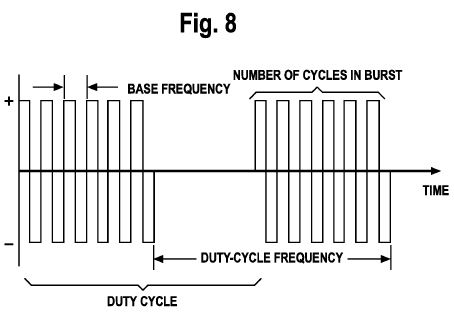
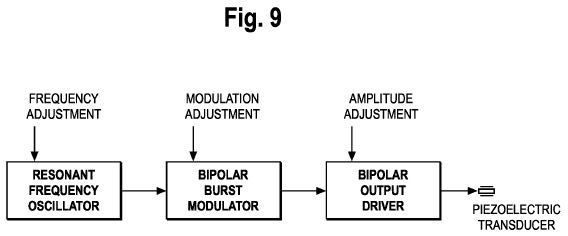
The system uses a plurality of high-frequency piezoelectric mesh transducers driven by custom amplifiers and electronic drivers. Transducers vibrate the fabric at duty cycles of 1 %-30 % (up to 90 %). Capillary waves on the water surface cause droplet formation that passes through spaced meshes and mist collectors, then to a reservoir or drain. The prototype demonstrated a full-size press-style dryer and is being studied for drum-type residential dryers. Scaling requires effective coupling of transducers to moving clothes (weight, centrifugal force, or reinforcement).
Principles
- Piezoelectric effect
- Ultrasonic vibration
- Mechanical atomization of water
- Capillary wave induced droplet formation
Scientific Domains
Materials
- Piezoelectric ceramic
- Polyester mesh
- Nylon lines
- Fabric
Mechanisms of Action
- High-frequency mechanical vibration to atomize water
- Capillary wave formation on wet fabric
- Direct contact coupling between transducer and fabric
- Mist collection and removal
Energy Sources
Applications
- Residential clothes dryer
- Industrial pulp drying
- Carpet manufacturing fiber drying
Claimed Performance
Potential to use as little as one-tenth of the power of a conventional dryer, cut drying time roughly in half, and achieve an energy factor >10 lb/kWh (vs. 3.7 lb/kWh typical).
Experimental Evidence
Prototype demonstrated on a full-size press-style dryer at Oak Ridge National Laboratory; video demonstrations; DOE-funded project with performance targets; patent WO2016182832 filed.
Replication Status
Prototype demonstrated; scaling to drum-type residential dryers under study; no commercial production reported.
Limitations
- Requires direct contact between transducer and fabric
- Scaling to drum-type dryers needs reliable coupling mechanisms
- Potential wear and durability issues of piezoelectric mesh transducers
Red Flags
- Energy-saving claims (e.g., 1/10 power) are not backed by independent quantitative data
- Performance targets are based on prototype demonstrations, not field trials