Goal
Provide a method and device for generating intense electromagnetic pulses and for altering material properties via electromagnetic and mechanical interactions.
Problem
Need for intense electromagnetic pulse sources for material structure investigation, solid-state physics research, and EMC testing.
Concept Summary
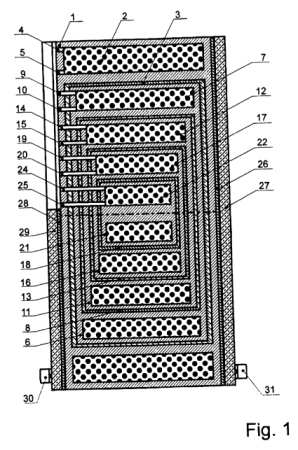
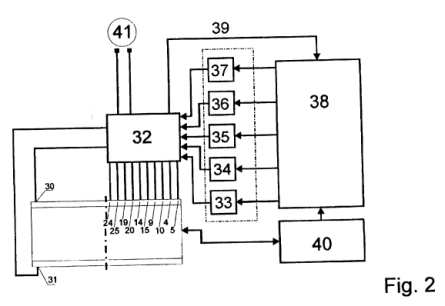
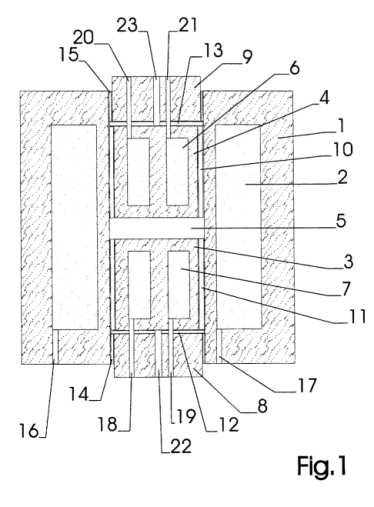
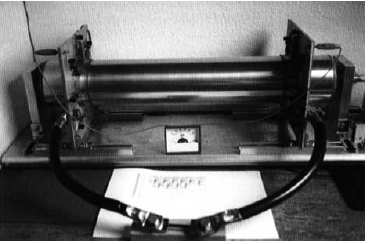
A nested set of electromagnetic resonant cavities ("Russian doll" principle) forms a central oscillator that couples electrical, magnetic and mechanical oscillations to produce high-energy electromagnetic pulses. A related apparatus uses concentric magnetic arrangements, diamagnetic coatings and copper intermediate layers to treat materials within a reaction chamber.
Detailed Description
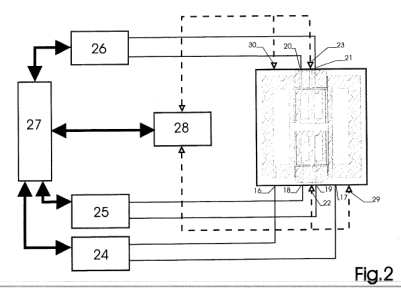
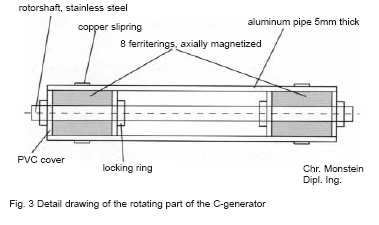
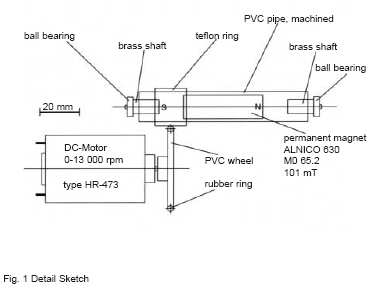
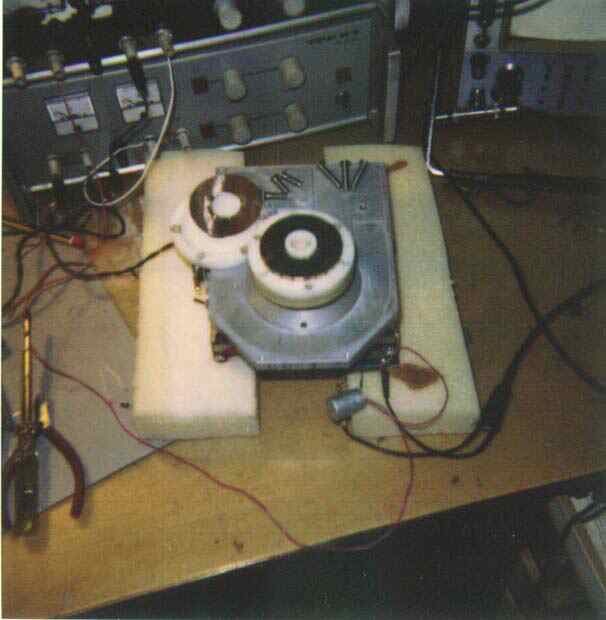
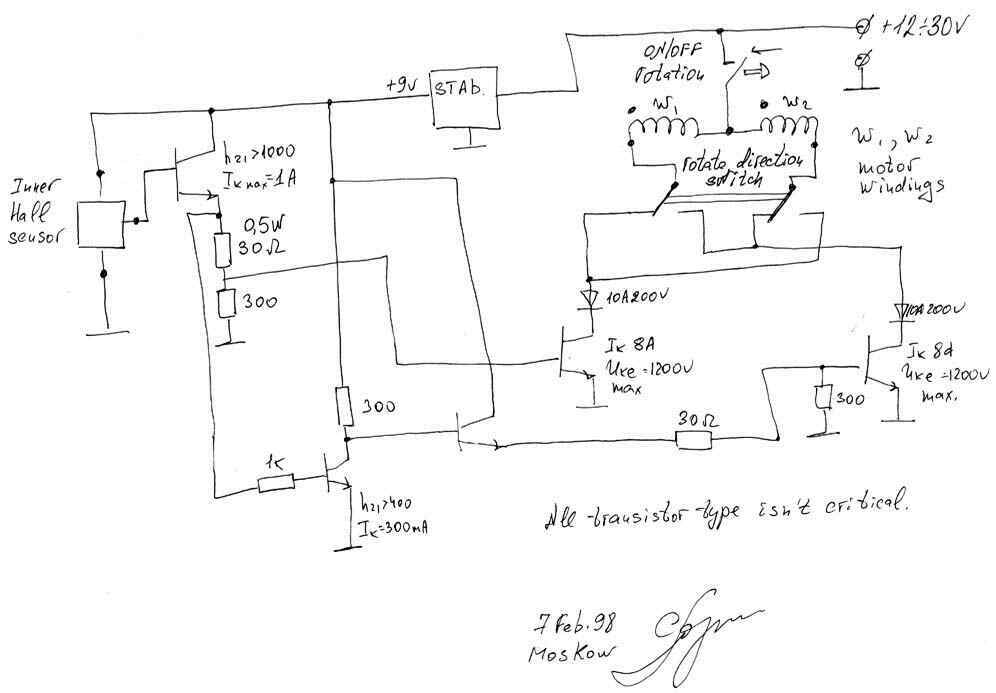
The core of the device consists of 2 + n (e.g., 5) resonant cavities arranged concentrically. The resonant circuit is linked to external pulse generators and a control/evaluation unit. Mechanical vibration is measured with a dedicated sensor. In a second embodiment, an outer hollow cylindrical magnetic assembly houses an excitation coil, while two inner magnetic assemblies each contain their own coils. A plate-like hollow chamber between them serves as a reaction chamber for the material. The inner magnetic parts are coated with a diamagnetic material (similar or superior to PTFE in friction and heat resistance) and a copper layer separates the immersion anchors from the magnetic assemblies.
Principles
- Russian doll resonant cavity arrangement
- Electromagnetic resonance
- Mechanical-electrical-magnetic coupling
- Diamagnetic coating for friction reduction
- Copper intermediate layer for thermal management
Scientific Domains
Materials
- Copper
- PTFE
- Diamagnetic material (unspecified)
- Steel (magnetic arrangement)
Mechanisms of Action
- Resonant electromagnetic pulse generation
- Magnetic field-induced alteration of material properties
- Vibration measurement of treated samples
Energy Sources
Applications
- Materials research
- EMC testing
- Solid-state physics investigations
- Potential propulsion concepts
Claimed Performance
Generation of intense electromagnetic pulses suitable for influencing material structures and performing EMC investigations.
Experimental Evidence
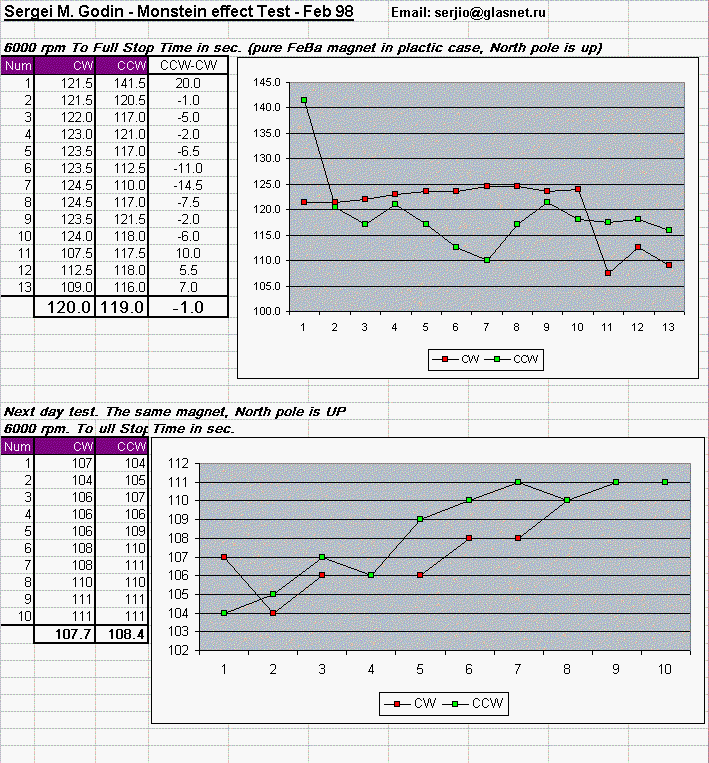
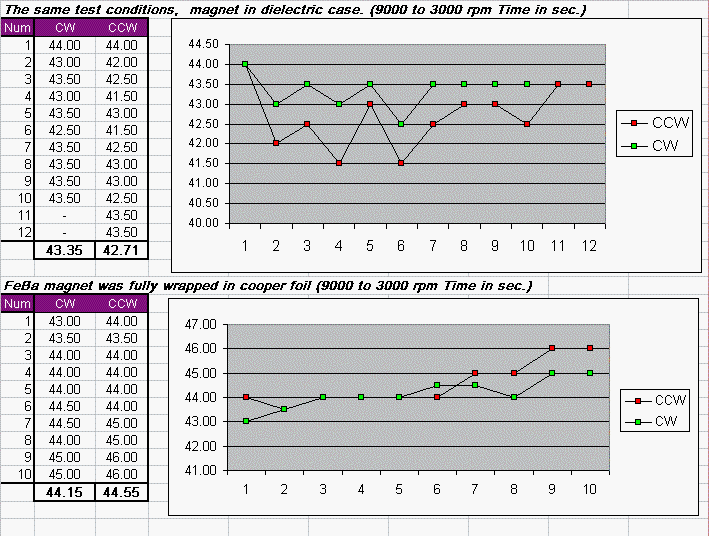
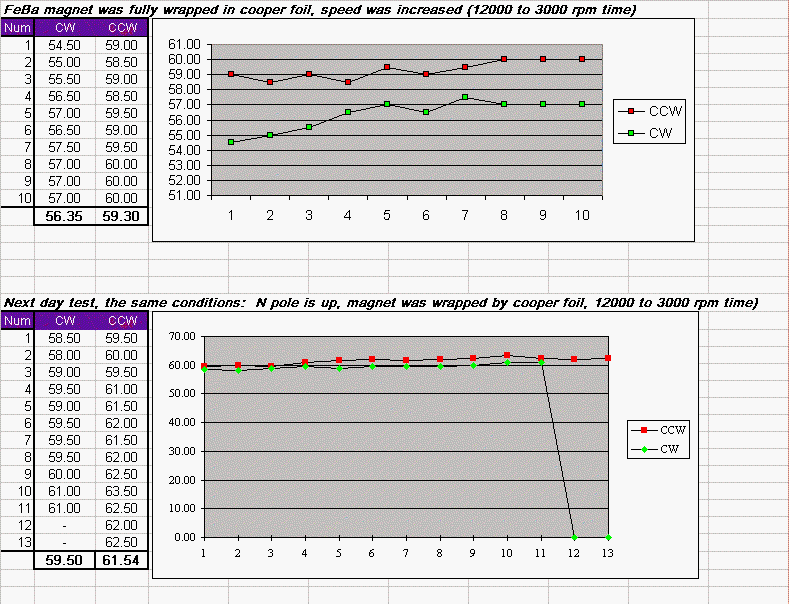
The patent abstracts describe the apparatus and its intended operation but do not provide quantitative performance data or independent test results.
Limitations
- No quantitative performance data provided
- Claims rely on unverified new-physics concepts
- Complex nested cavity construction may limit scalability
Red Flags
- Claims of novel physics without peer-reviewed evidence
- Vague patent language and lack of independent replication
- Potential over-optimistic performance expectations