Goal
Detect and transmit DNA information via low-frequency electromagnetic signals in water, enabling reconstruction of DNA strands without physical transfer.
Problem
Need for non-invasive, remote detection and identification of DNA sequences, especially for medical diagnostics and disease monitoring.
Concept Summary
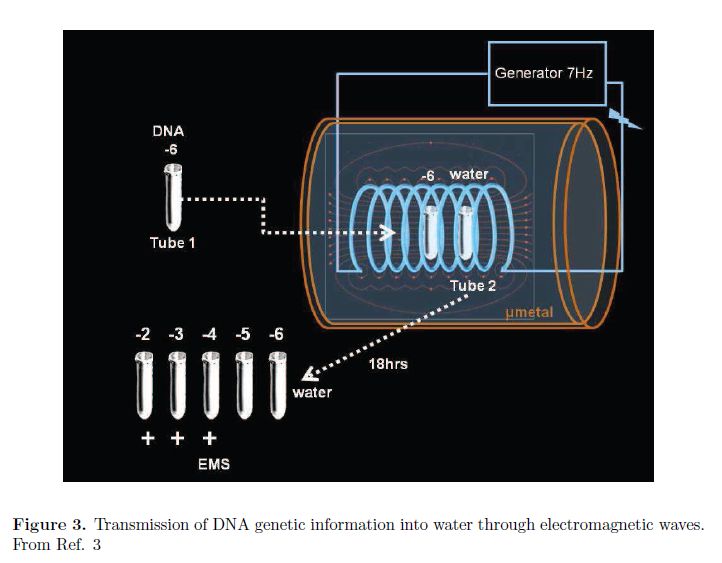
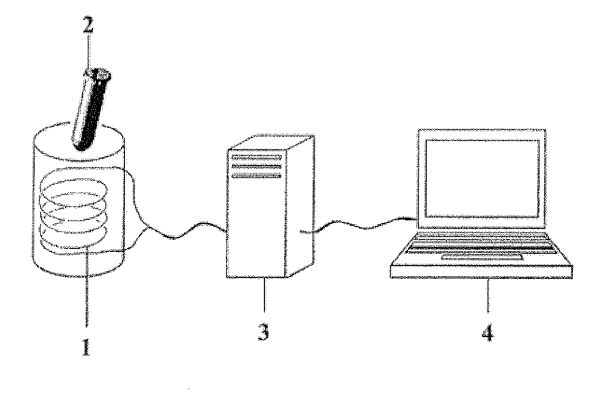
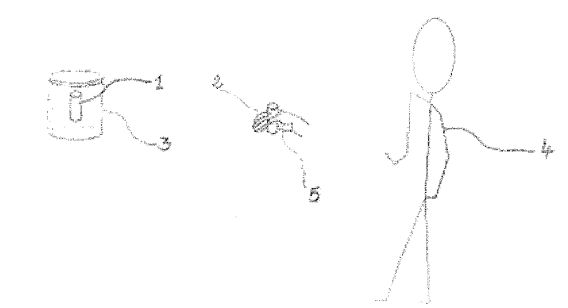
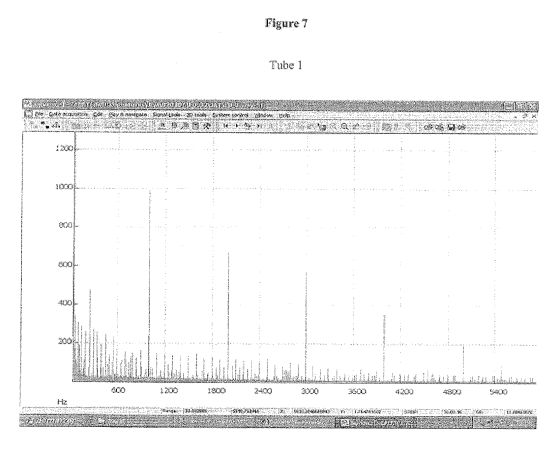
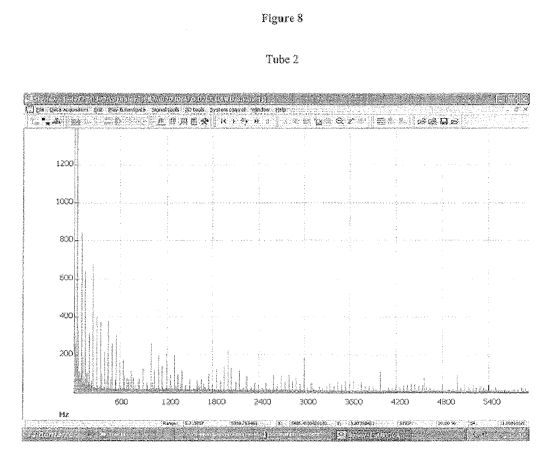
The invention proposes that diluted DNA in water forms nanostructures that emit a characteristic low-frequency electromagnetic signal (EMS). This EMS can be transmitted through space to a separate water sample, imprinting the same nanostructure. Subsequent PCR amplification of the imprinted water yields the original DNA sequence, effectively "teleporting" DNA information without moving the molecules themselves.
Principles
- Low-frequency electromagnetic wave emission
- Nanostructure formation in dipolar solutions
- Quantum field theory concepts
- Polymerase chain reaction (PCR) amplification
Scientific Domains
Materials
- Water
- DNA fragments
- Polymerase enzyme
- Nucleotides (dNTPs)
- Dipole solutions
Mechanisms of Action
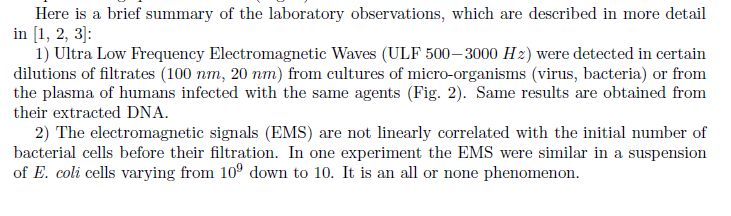
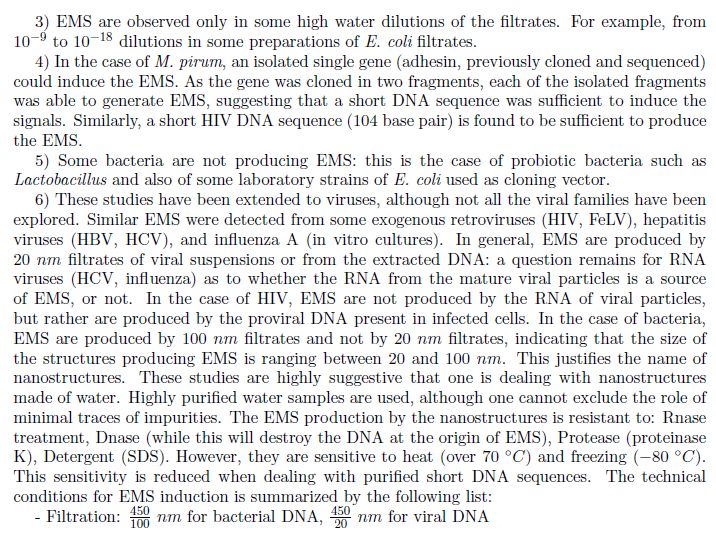
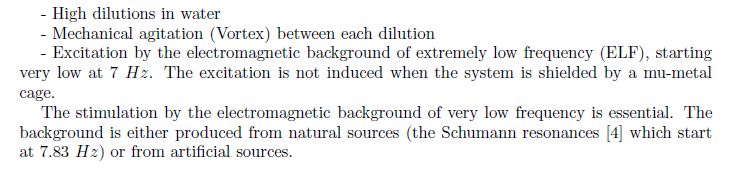
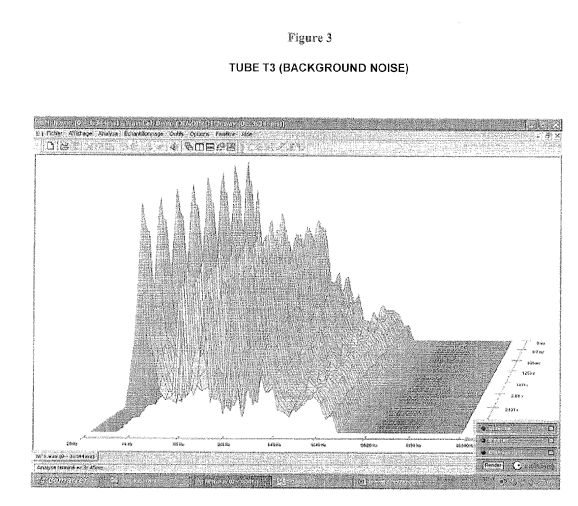
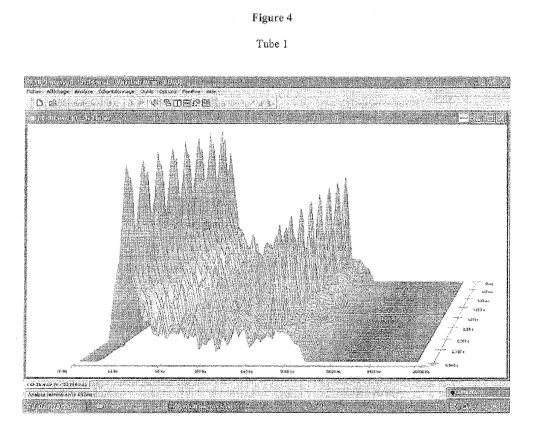
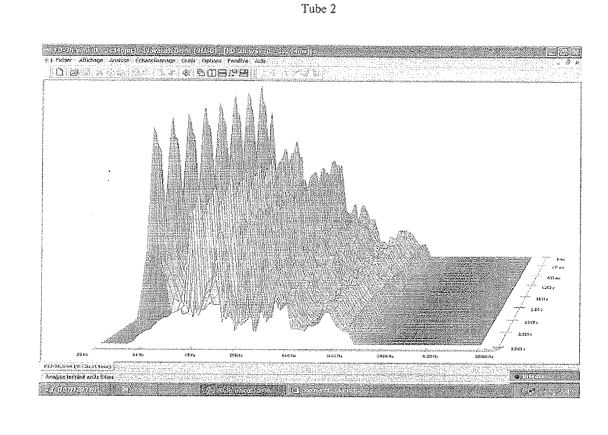
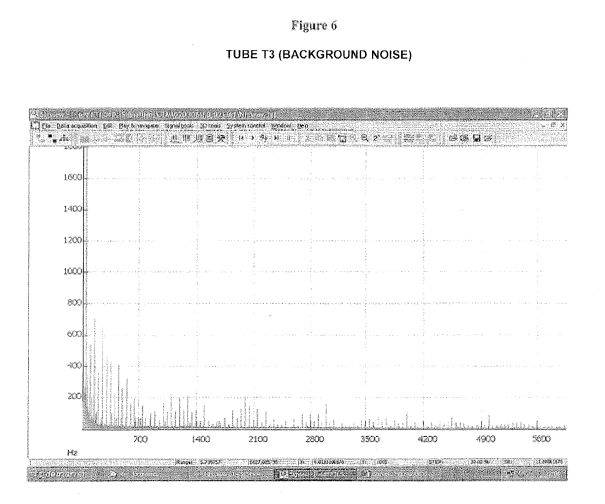
- DNA nanostructures emit EMS at ~7 Hz
- EMS induces analogous nanostructures in naive water
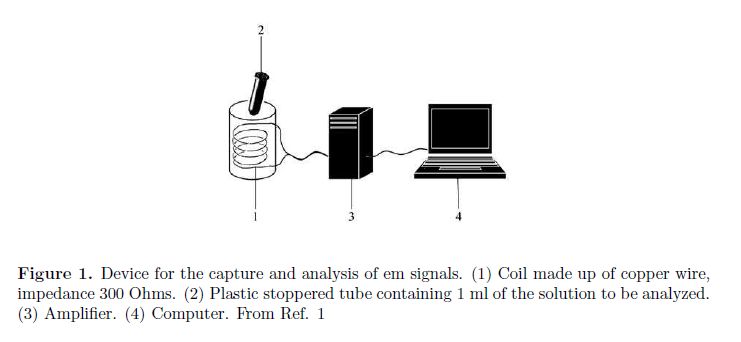
- Transduction of EMS without direct contact
- PCR amplifies the imprinted DNA information
Energy Sources
Applications
- Medical diagnostics
- Disease biomarker detection
- Remote DNA identification
Claimed Performance
DNA detectable after 18 h exposure to a 7 Hz field, with PCR bands observed up to dilutions of 10^-^8-10^-^1^5; controls (no field, lower frequency, both tubes water) gave no signal.
Experimental Evidence
Experiments reported DNA bands in PCR after exposing naive water to a DNA-containing tube under a 7 Hz electromagnetic field for 18 hours; negative controls showed no bands. Similar results were obtained with HIV LTR DNA and patient plasma samples.
Replication Status
No independent replication reported; authors state that the experiment needs to be repeated by others.
Limitations
- Requires specific low-frequency EM field and long exposure times
- Results not independently verified
- Potential for contamination or artefacts in PCR
- Limited to high dilutions; unclear scalability
Red Flags
- Extraordinary claims (DNA "teleportation") without robust peer-reviewed evidence
- Reliance on unpublished or non-replicated data
- Potential pseudoscientific interpretation