Goal
To create a motor that transforms stored magnetic energy into mechanical work with high efficiency.
Problem
Need for more efficient mechanical energy conversion devices using permanent magnets.
Concept Summary
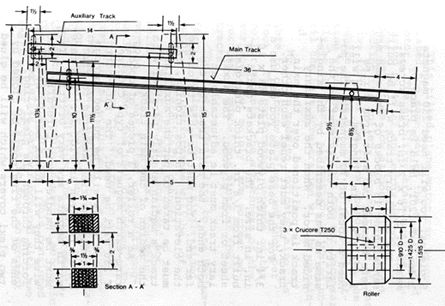
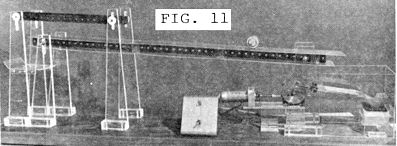
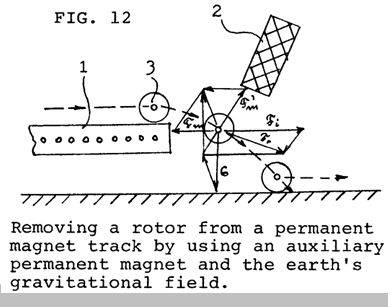
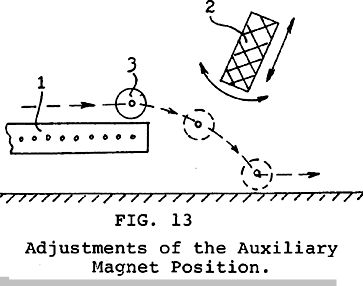
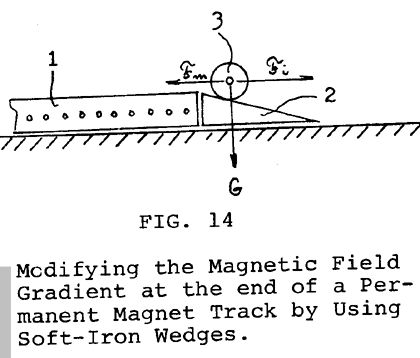
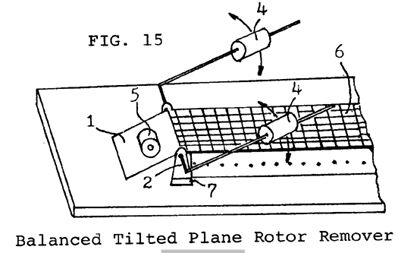
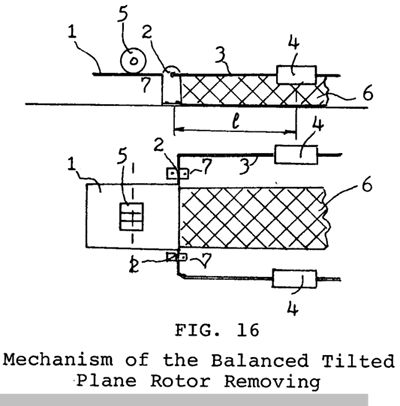
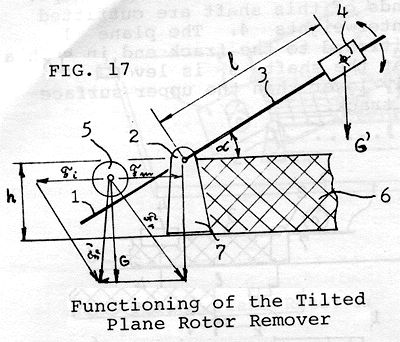
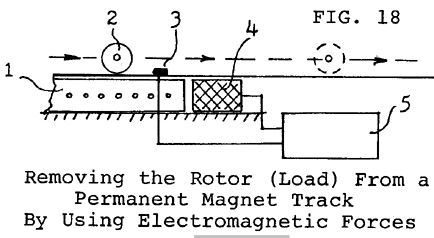
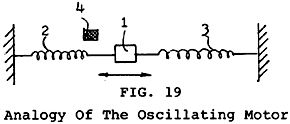
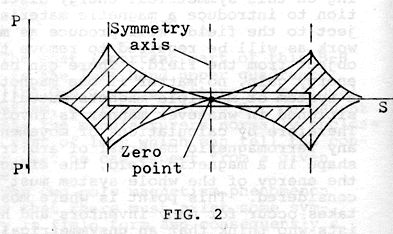
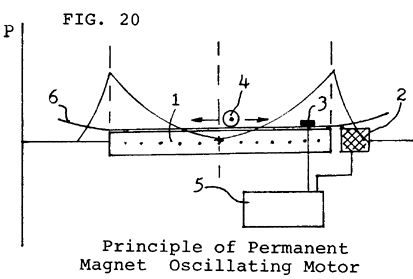
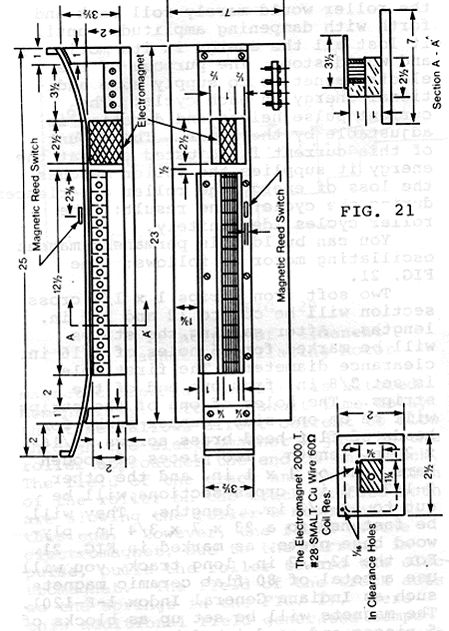
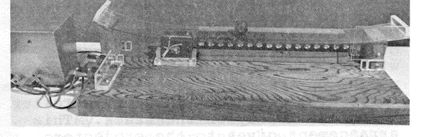
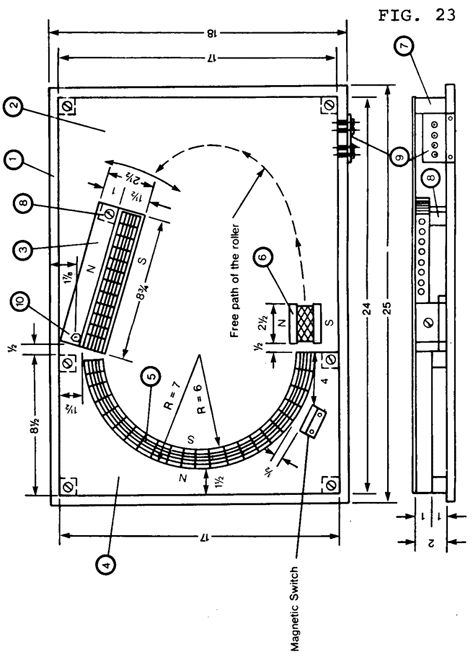
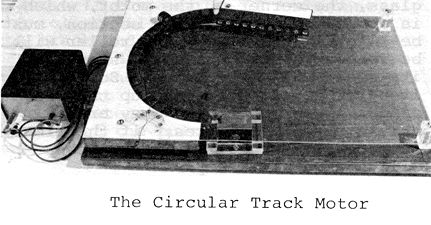
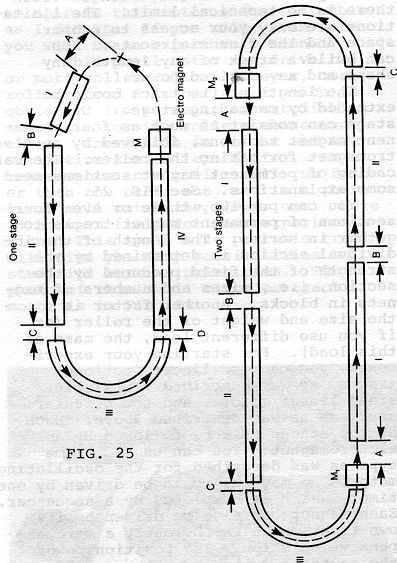
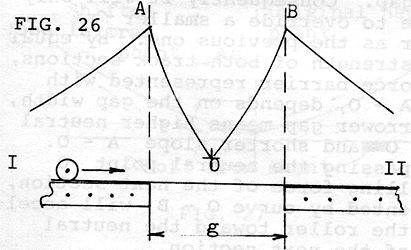
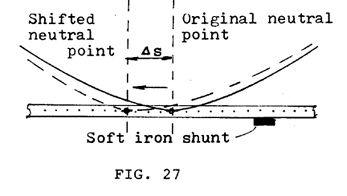
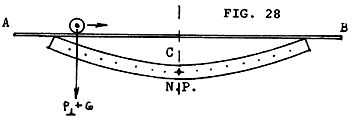
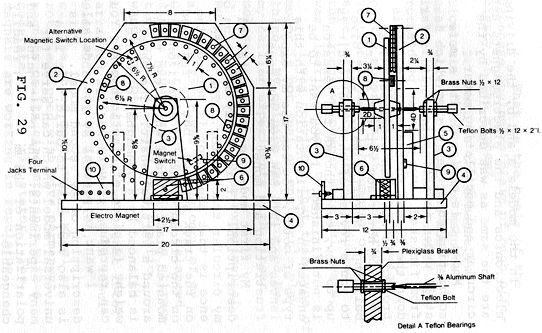
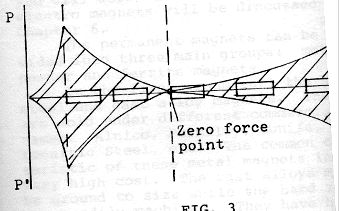
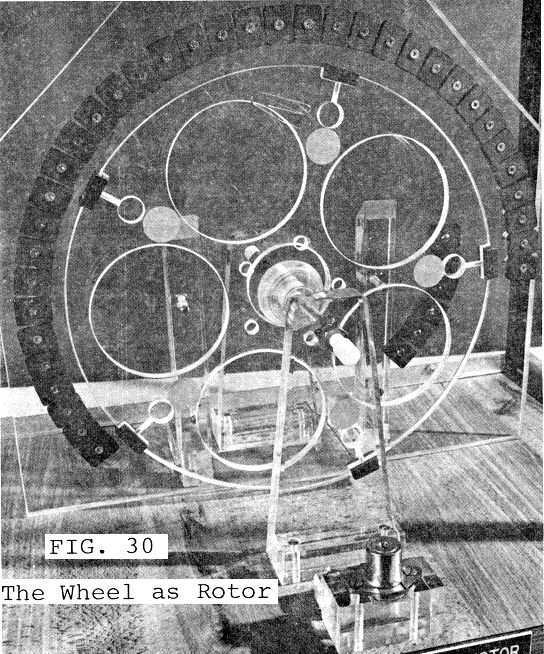
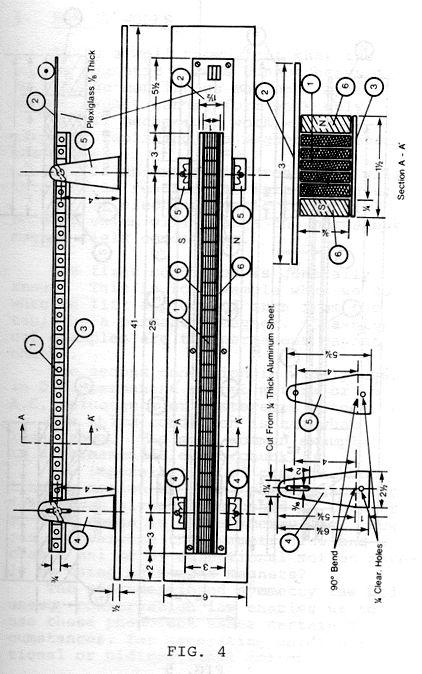
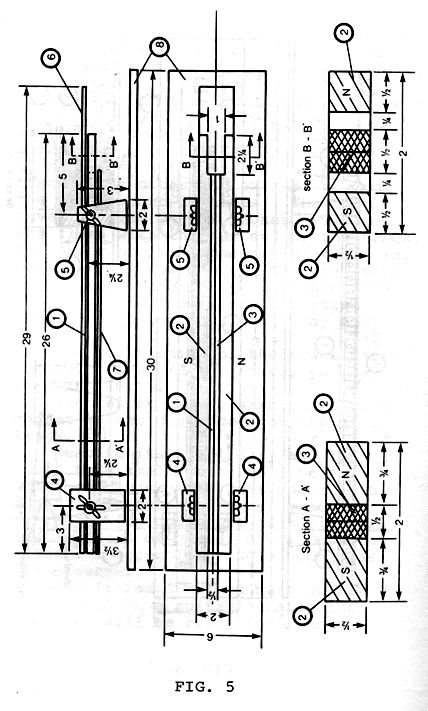
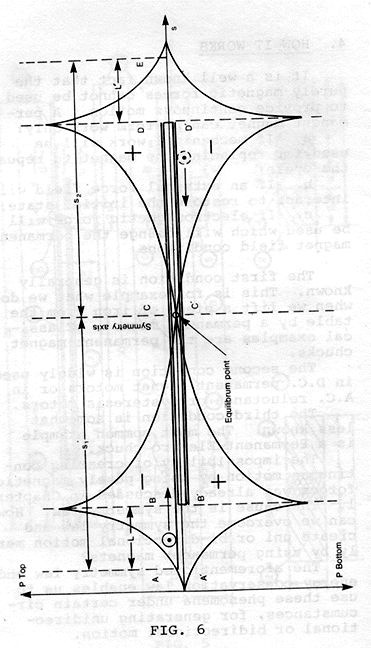
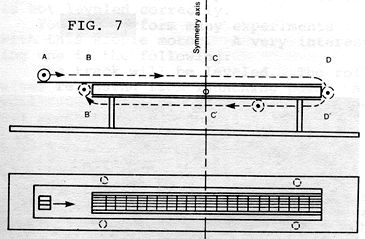
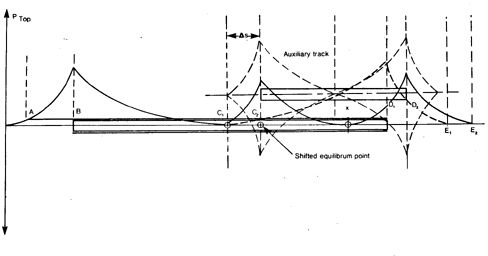
The author describes a family of permanent-magnet-based motors (linear, tilted-track, oscillating, circular-track) that use the interaction between permanent magnets and ferromagnetic objects to produce motion. The designs rely on magnetic force curves, symmetry considerations, and electronic impulse timing to drive the motor.
Principles
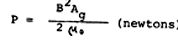
- Magnetic force and flux density
- Energy conservation and magnetic energy storage
- Magnetic reluctance and circuit analogy
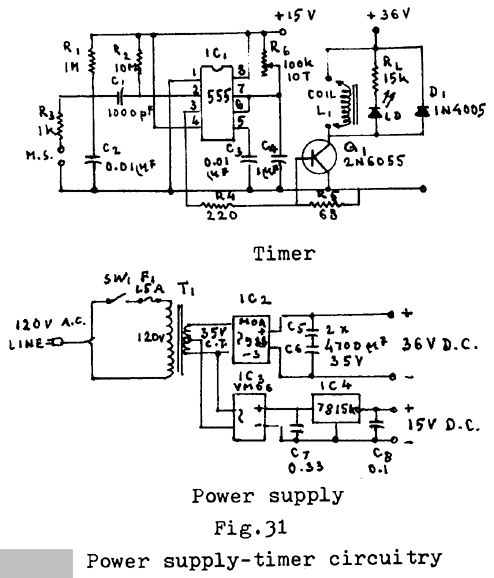
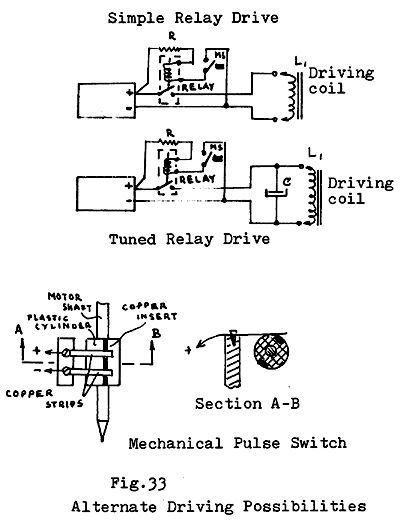
- Impulse timing and electronic switching
Scientific Domains
Materials
- Permanent magnets (any type, e.g., horseshoe or bar magnets)
- Non-magnetic structural material (e.g., wood, balsa wood)
- Ferromagnetic objects (iron pieces, metal sleds)
Mechanisms of Action
- Interaction of permanent magnets with ferromagnetic moving parts
- Linear attraction/repulsion forces
- Electronic impulse circuits for timing and drive
Energy Sources
Applications
- Mechanical drive systems
- Low-speed rotary generators
- Educational demonstrations of magnetic principles
Claimed Performance
The author states that the motors have been running in his laboratory for a long time and work "perfectly". No quantitative efficiency or power figures are provided.
Experimental Evidence
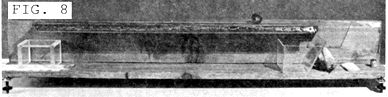
The author reports personal testing of several motor configurations (linear, tilted-track, oscillating, circular-track) and claims they operate as described, but no data, measurements, or independent verification are presented.
Replication Status
No external replication or independent testing is mentioned in the text.
Limitations
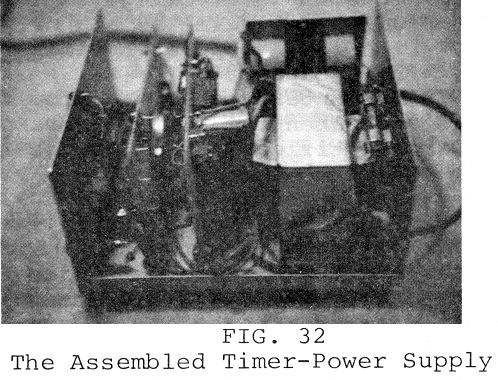
- Requires precise construction and timing electronics
- No quantitative performance data
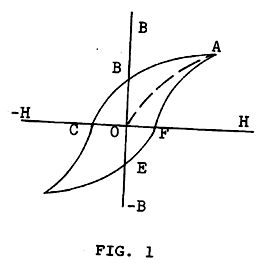
- Efficiency limited by magnetic hysteresis and friction
Red Flags
- Lack of experimental data or independent verification
- Reliance on anecdotal laboratory runs
- Potential over-statement of "perfect" operation without measurements