Goal
Increase fuel efficiency and reduce emissions of an internal combustion engine.
Problem
High fuel consumption and exhaust emissions in conventional diesel/gasoline engines.
Concept Summary
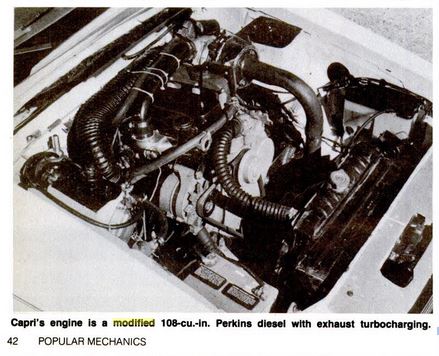
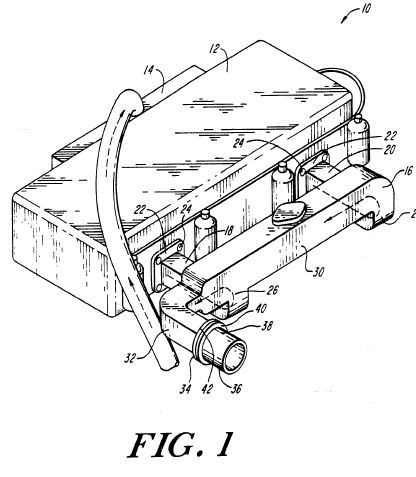
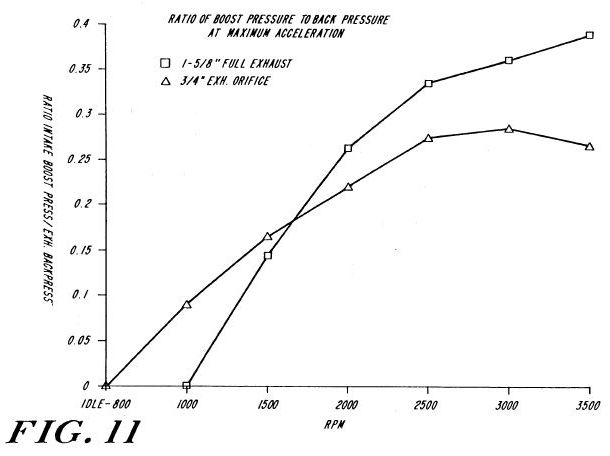
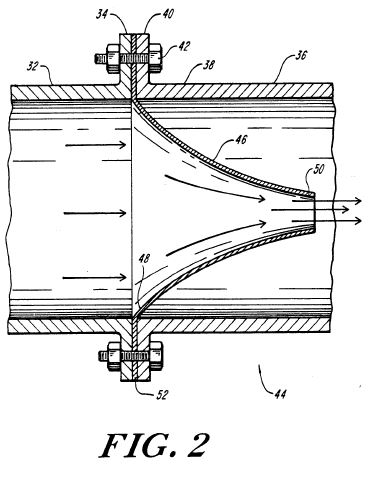
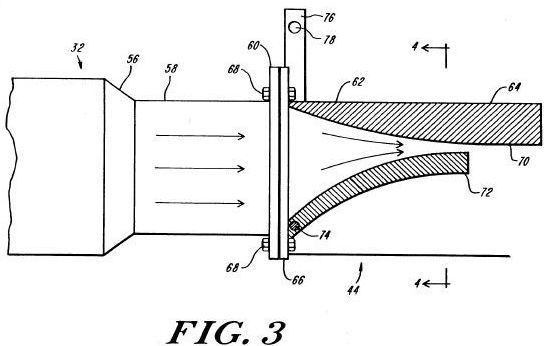
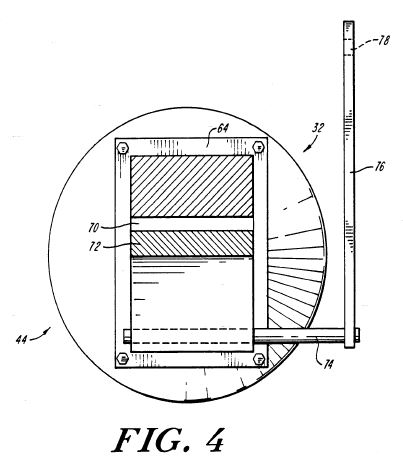
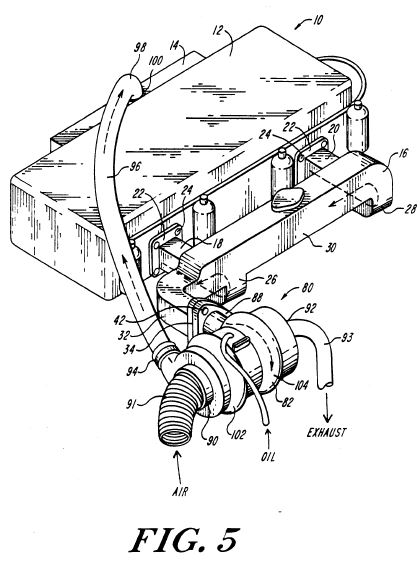
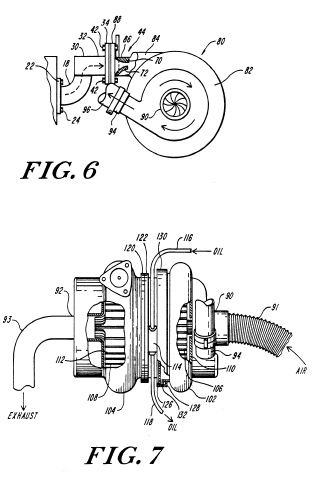
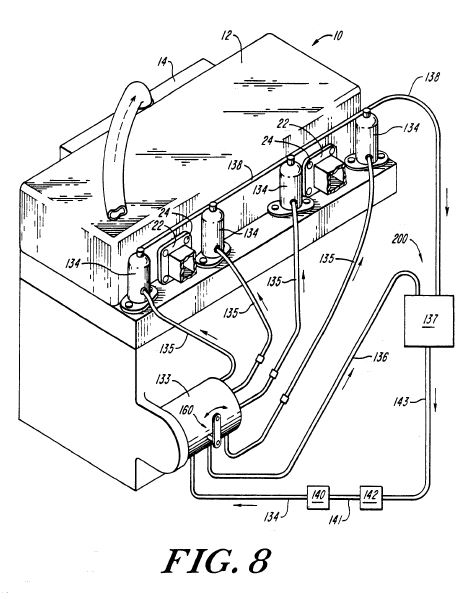
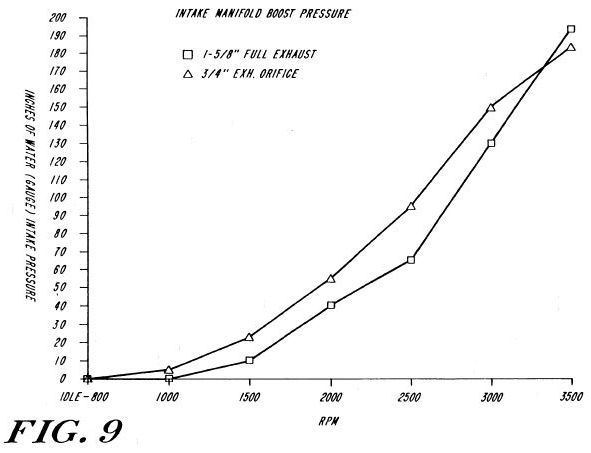
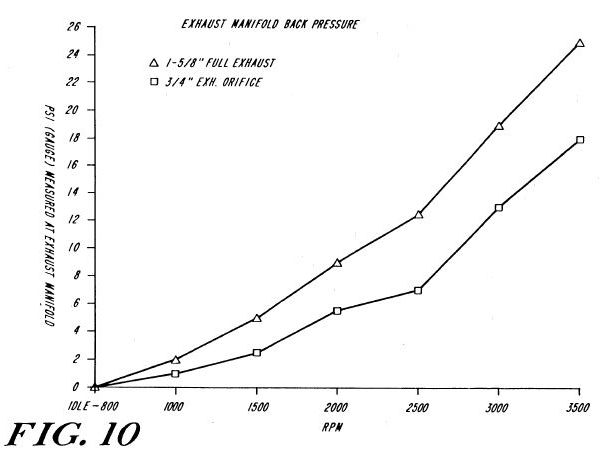
The invention uses a fixed or variable cross-sectional orifice in the exhaust system to create back pressure, which in turn triggers a fuel-delivery control that reduces fuel flow. A turbocharger (or supercharger) may be added for forced induction, together improving mileage and lowering emissions.
Principles
- Exhaust back-pressure regulation
- Turbocharging / forced induction
- Fuel-delivery control based on exhaust back pressure
Scientific Domains
Materials
- Steel (exhaust pipe, orifice housing)
- Aluminum (turbocharger housing)
- Cast iron (engine block)
- Rubber (gaskets and seals)
Mechanisms of Action
- Restricts exhaust flow with an orifice to raise back pressure
- Increases back pressure causes the fuel system to reduce fuel injection
- Turbocharger recovers waste exhaust energy to boost intake air
Energy Sources
Applications
- Passenger automobiles
- Fuel-efficient light trucks
Claimed Performance
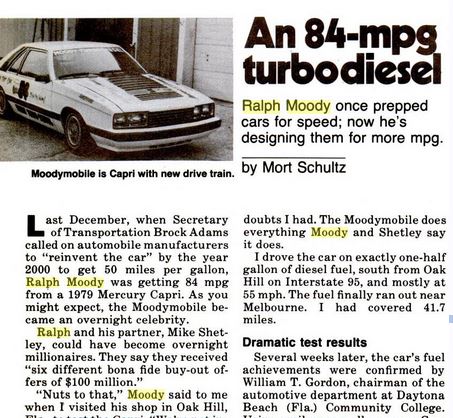
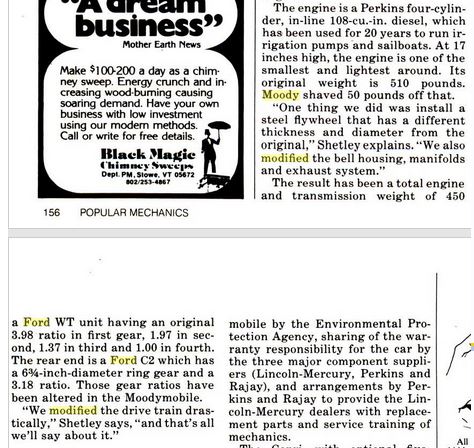
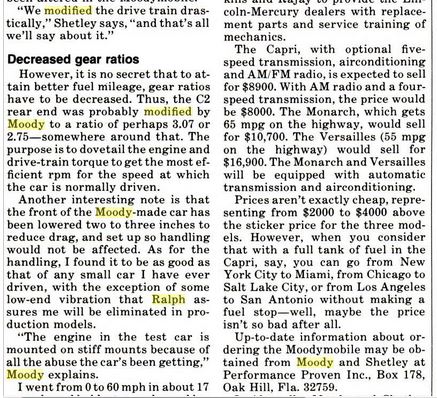
84 mpg achieved on a 1979 Mercury Capri test car; 850 mi driven on 11.1 gal (~76 mpg) during a Senate Energy Committee demonstration.
Experimental Evidence
Test at Daytona Beach Community College reported 84 mpg; 850-mile trip to Washington, D.C. using 11.1 gal of diesel fuel before Senate testimony.
Replication Status
No independent replication documented; performance reported only by Moody and his associates.
Limitations
- No third-party verification of mileage claims
- Potential for increased exhaust emissions if not properly tuned
- Turbocharger adds cost and mechanical complexity
Red Flags
- Claims of 84 mpg are based on a single test and anecdotal reports
- Story of government confiscation and suppressed patents lacks independent corroboration