Goal
Rapid cure of cancer using a multi-target toxin composed of several tumor-binding peptides linked to a cytotoxic toxin.
Problem
Cancer treatment resistance due to single-target drugs and tumor heterogeneity; need for a therapy that can kill cancer cells despite mutations and drug efflux.
Concept Summary
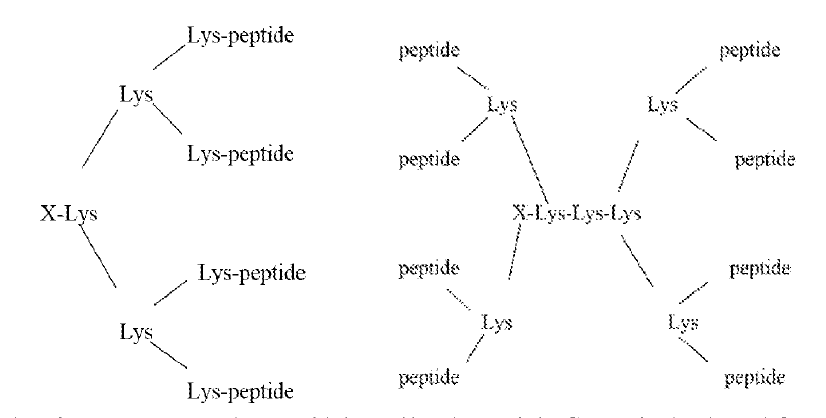
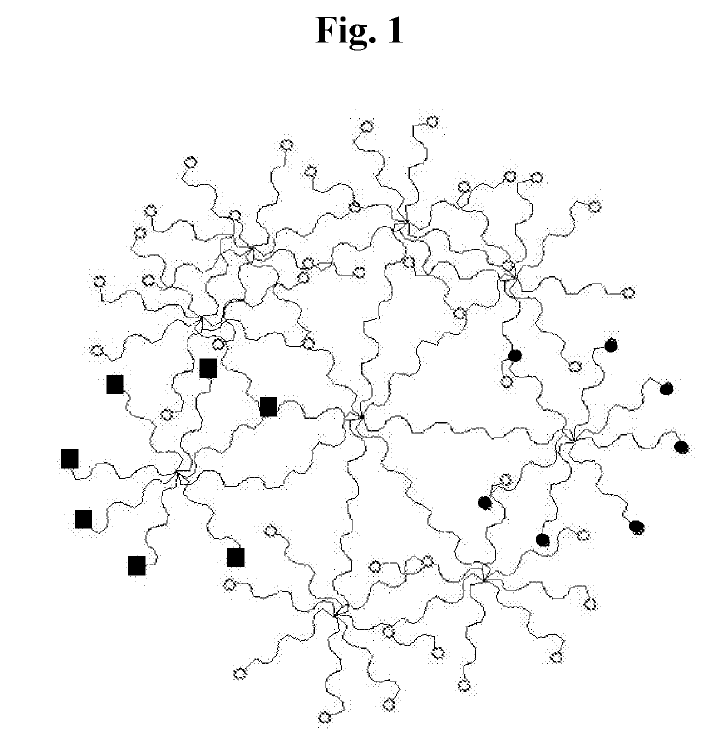
MuTaTo is a construct that combines two or more peptide ligands, each binding a different extracellular tumor antigen, with a potent toxin. The multi-peptide targeting reduces the chance that cancer cells can escape by mutating a single receptor, while the toxin provides rapid cytotoxicity. The construct is produced using phage-display-derived peptides and can be covalently linked directly or via an organic scaffold/carrier.
Detailed Description
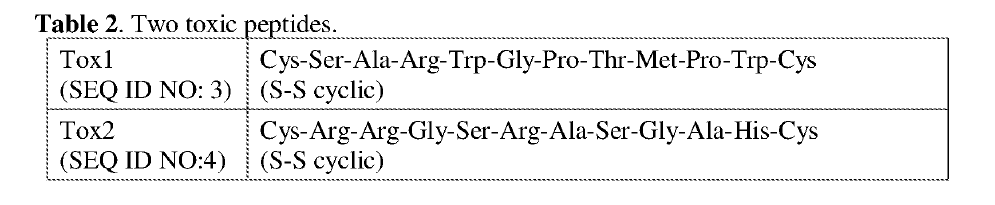
The invention describes constructs comprising at least two different peptides that bind distinct extracellular tumor antigens (e.g., EGFR, PD-L1, HER2, etc.) and at least one toxin (e.g., diphtheria toxin, Pseudomonas exotoxin, ribosome-inactivating proteins). Peptides and toxins may be repeated multiple times on a scaffold, and the whole assembly can be covalently linked directly or through a carrier. The multi-target approach is claimed to produce synergistic cytotoxic effects and to be less susceptible to resistance mechanisms such as receptor loss or drug efflux.
Principles
- Multi-target peptide binding
- Toxin-mediated cytotoxicity
- Phage-display peptide selection
- Covalent conjugation of peptides and toxins
Scientific Domains
Materials
- Peptide
- Protein toxin
- Organic scaffold
- Carrier molecule
Mechanisms of Action
- Peptide ligands bind distinct extracellular tumor antigens on cancer cells
- Covalently attached toxin is internalized and kills the cell
- Synergistic effect from simultaneous targeting of multiple receptors reduces chance of escape mutations
Applications
- Cancer treatment
Claimed Performance
Effective from day one, lasting a few weeks, minimal side-effects, and a one-dose rapid cure of cancer.
Limitations
- No peer-reviewed clinical data presented
- Potential immunogenicity of peptide-toxin constructs
- Manufacturing complexity of multi-peptide scaffolds
Red Flags
- Extraordinary claim of a one-dose cure without published trial results
- Lack of quantitative efficacy data
- Potential hype in media coverage