Goal
To attract non-ferrous metal objects (e.g., copper, aluminum) using an AC-driven electromagnet that induces currents in the target metal.
Problem
Conventional permanent magnets cannot attract non-ferrous metals; the device seeks a method to pull such metals using electromagnetic induction.
Concept Summary
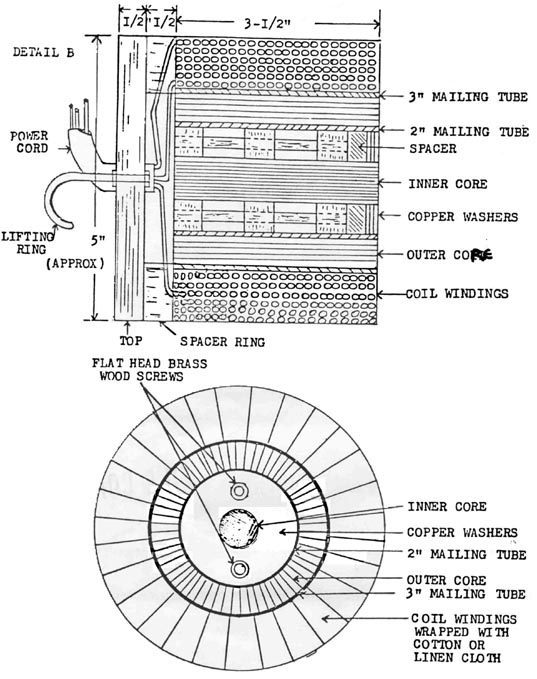
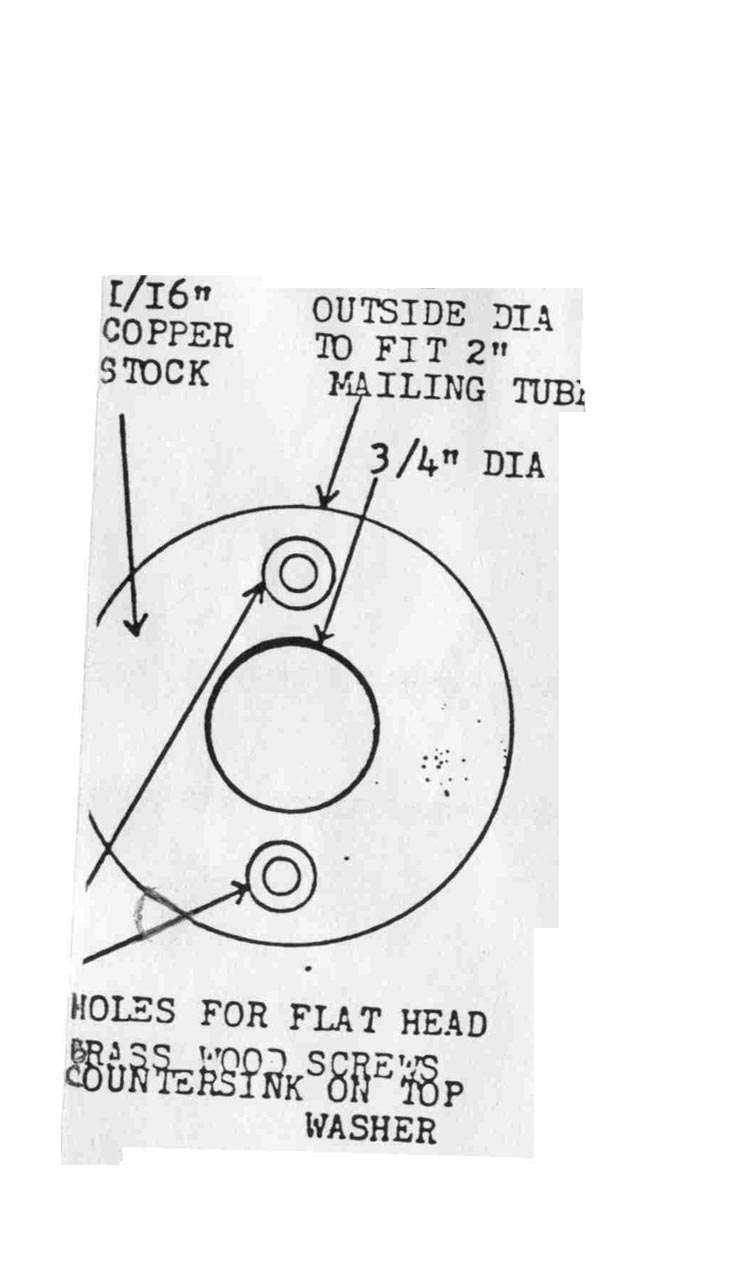
An AC-powered coil creates a varying magnetic field that induces a large current in a set of copper washers placed in the core. The washers act as a transformer secondary, generating their own strong, alternating magnetic field that repels the core and, in turn, induces currents in nearby metal objects. The induced currents produce magnetic fields that attract the objects toward the washer surface. Resonant capacitor circuits are used to increase current and magnetic pull.
Principles
- AC induction
- Transformer action
- Eddy-current attraction
- Resonant LC circuit
- Magnetic repulsion/attraction
Scientific Domains
Materials
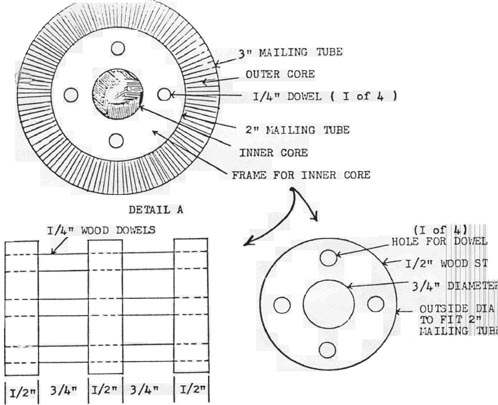
- Cardboard mailing tube
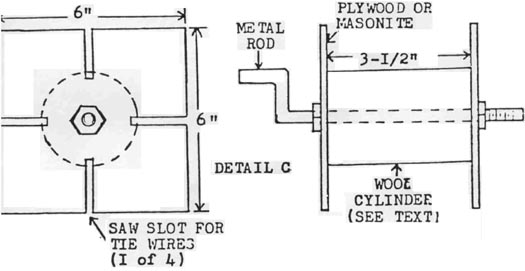
- Wood (dowels, discs, spacer rings)
- Copper sheet (washers)
- Brass
- Soft iron wire or transformer laminations
- #14 enamel-covered magnet wire (cotton/linen insulated)
- Cotton or linen tape
- Insulating varnish or enamel
- Non-electrolytic capacitors (80 uF, 250-600 V)
- Brass wood screws
- Cement
Mechanisms of Action
- Induced current in copper washers creates a secondary magnetic field
- Secondary field repels the core, allowing the washers to act as a magnetic pole
- Induced currents in nearby metal objects generate attractive magnetic forces
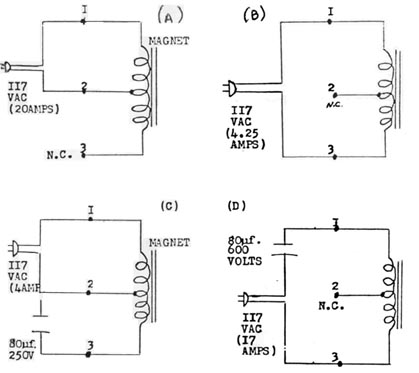
- Phase-shifting capacitors form resonant circuits to increase coil current
Energy Sources
Applications
- Metal sorting and recycling
- Industrial material handling
- Educational demonstrations of electromagnetic induction
Claimed Performance
Capable of picking up and holding six or more half-dollar coins (or an equivalent weight of other non-ferrous metal) when powered with a 4 A resonant circuit; coil currents up to 18.5 A in certain configurations.
Experimental Evidence
The author reports that the magnet can lift six half-dollar coins and that coil currents of 4 A, 4.25 A, 17 A, 18.5 A, and 9 A were observed in different schematic configurations. No independent data or peer-reviewed measurements are provided.
Limitations
- High current draw (up to ~20 A) requires robust wiring and safety precautions
- Washers become hot during operation
- Attraction limited to objects that fit within the washer geometry
- Requires AC mains and resonant tuning for optimal performance
Red Flags
- High operating currents and heating hazards
- Warning about possible mental/physical sensations
- No independent verification or peer-reviewed data