Goal
Remineralize soils with sea-derived mineral salts to improve plant and animal health, increase crop yields, and enhance nutritional quality.
Problem
Soil mineral deficiencies that reduce crop productivity, increase disease susceptibility, and lower nutritional value of food.
Concept Summary
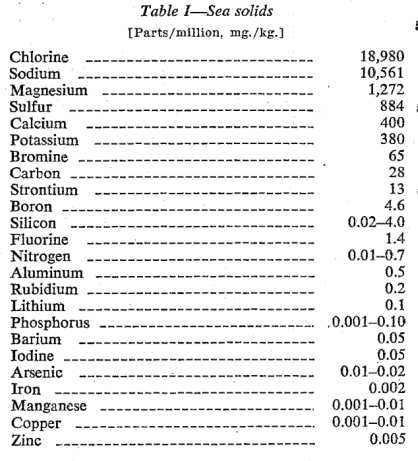
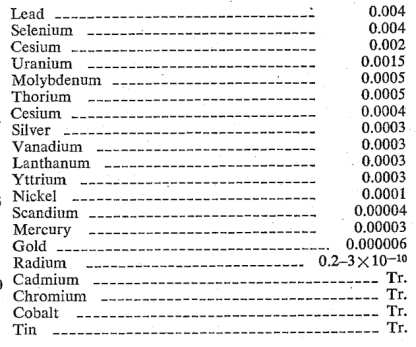
Murray's invention extracts the inorganic salts (sea solids) remaining after complete evaporation of seawater (~=3.5 % solids). These minerals, containing the full suite of >90 elements present in seawater, are applied to soils or hydroponic systems in proportions that mirror their natural seawater concentrations. Field and animal feeding trials reported higher yields, earlier maturity, greater disease resistance, and increased vitamin and mineral content in crops and livestock.
Principles
- Mineral balance based on seawater composition
- Trace element supplementation
- Soil amendment with inorganic salts
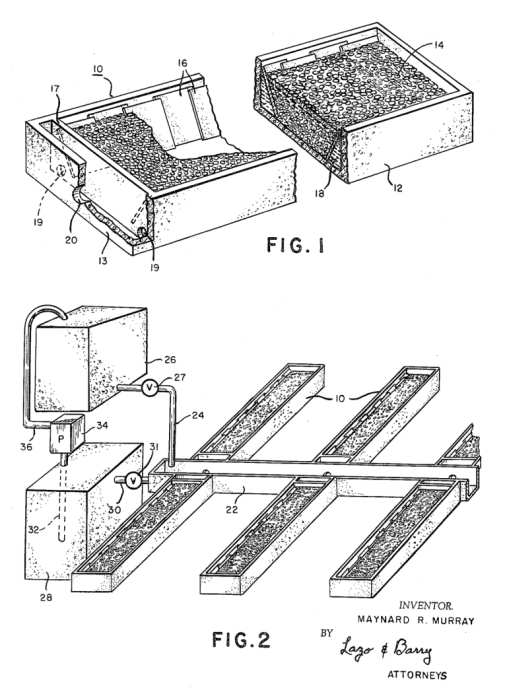
- Hydroponic nutrient provision
Scientific Domains
Materials
- Sodium chloride
- Calcium carbonate
- Magnesium sulfate
- Potassium chloride
- Barium salts
- Other seawater-derived inorganic salts
Mechanisms of Action
- Supply of essential macro- and micronutrients
- Correction of trace-element deficiencies
- Improved soil pH buffering
- Enhanced disease resistance via balanced mineral nutrition
Applications
- Agricultural soil amendment
- Hydroponic nutrient source
- Livestock feed improvement
Claimed Performance
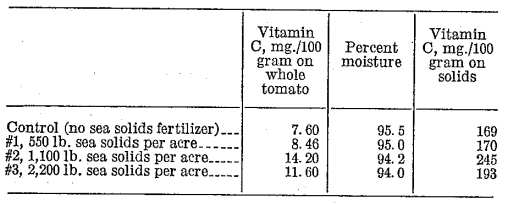
Corn yields increased by 13-19.6 bushels per acre; ash weight up to 1.7 % higher; tomatoes showed 18.7 % higher ash; vitamin C in tomatoes 25 % higher; vitamin A in carrots 40 % higher; livestock gained weight faster and matured earlier; disease incidence (e.g., corn smut) reduced by 384 % in treated plots.
Experimental Evidence
In corn experiments (1952-1954) treated plots yielded 13-19.6 bushels more per acre than controls; ash weight increased 1.7 %; soy beans showed 14.6 % higher ash; tomatoes, onions, sweet potatoes had 18.7 %, 4.4 %, and 8.3 % higher ash respectively; chickens on treated feed matured a month earlier and laid eggs 2-3 oz heavier per dozen; rats on treated grain did not develop xerapthaemia.
Replication Status
Limited internal replication reported in the patent document; no independent third-party verification cited.
Limitations
- Desalination to obtain sea solids is costly
- High sodium chloride content can be toxic if applied in excess
- Optimal rates vary with soil type and climate
Red Flags
- Marketing language such as "Fountain of Youth" is exaggerated
- Lack of peer-reviewed, independent studies supporting the claims