Goal
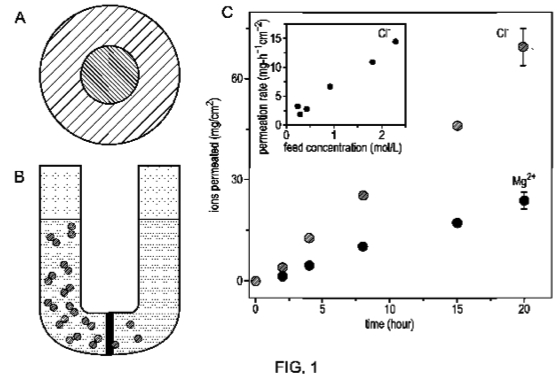
Provide ultrafast, highly selective water filtration and desalination by allowing only water and very small ions to pass through graphene-oxide nano-capillaries.
Problem
Efficient removal of water from mixtures (seawater, industrial gases, liquids) and selective separation of salts and small ions for drinking water, dehydration, and concentration processes.
Concept Summary
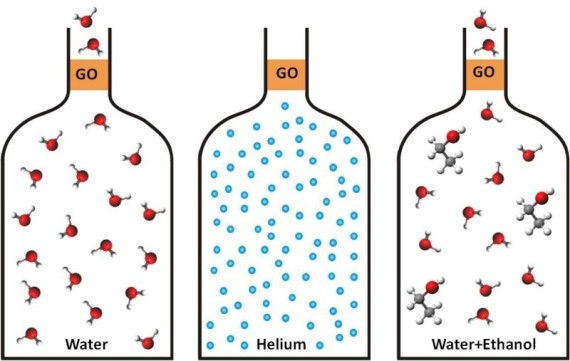
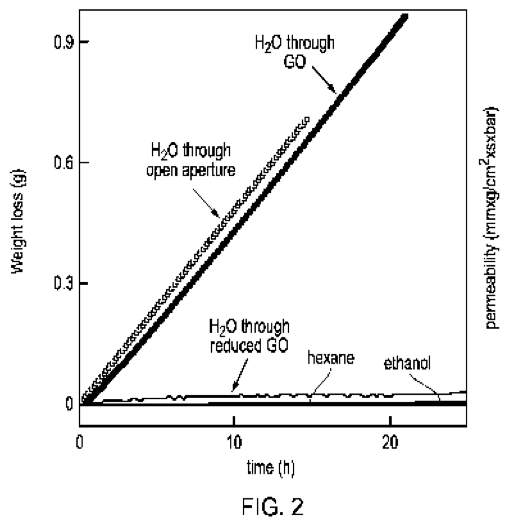
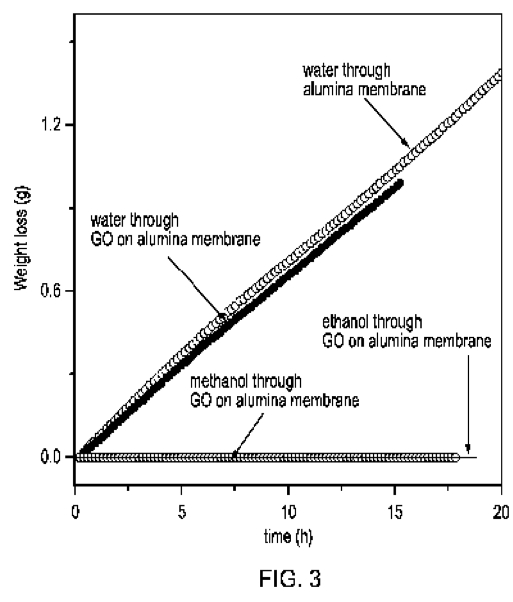
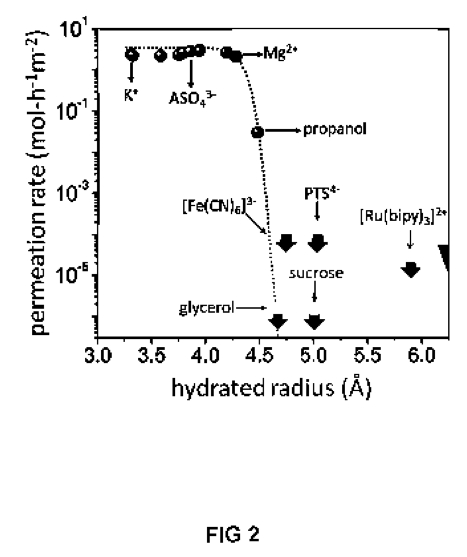
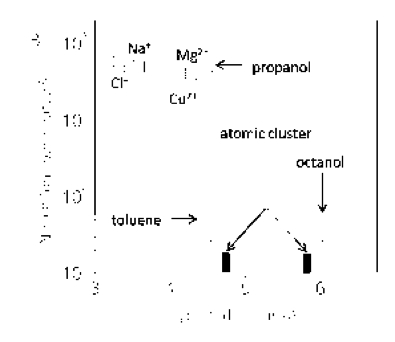
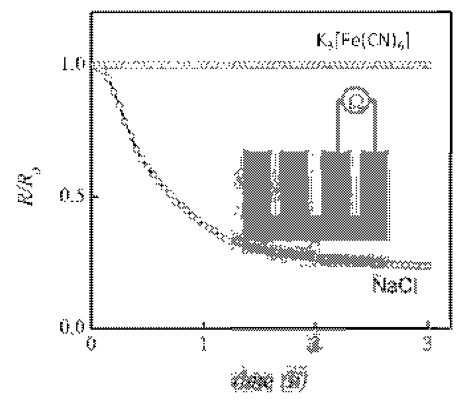
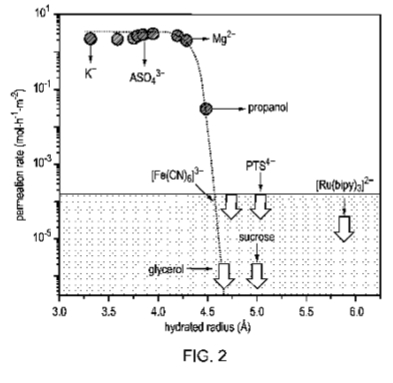
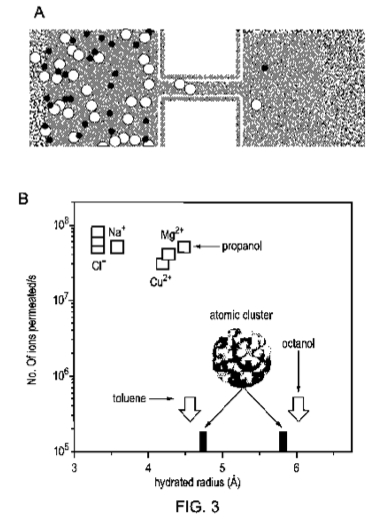
Multilayer graphene-oxide laminates form nano-capillaries that are impermeable to gases and most liquids but allow rapid permeation of water monolayers. The membranes exhibit size-exclusion (~=9 Angstrom cutoff) and ion-sponging, enabling ultrafast desalination and pervaporation without high pressure or temperature.
Detailed Description
The invention uses a composite membrane consisting of a graphene-oxide layer deposited on a porous support (ceramic or polymeric). Water molecules are drawn through the sub-nanometer channels by capillary action, while larger ions and molecules are blocked. The membrane can be operated in pervaporation, gas-phase separation, or continuous flow modes, and may be used in detectors, gas drying, or concentration steps. The selective permeability arises from the low-friction graphitic structure of graphene oxide and the tunable pore size of the laminate.
Principles
- Capillary action
- Size-exclusion (nanopore filtering)
- Selective permeability
- Pervaporation
- Ion sponging
Scientific Domains
Materials
- Graphene oxide
- Porous ceramic support (alumina, zeolite, silica)
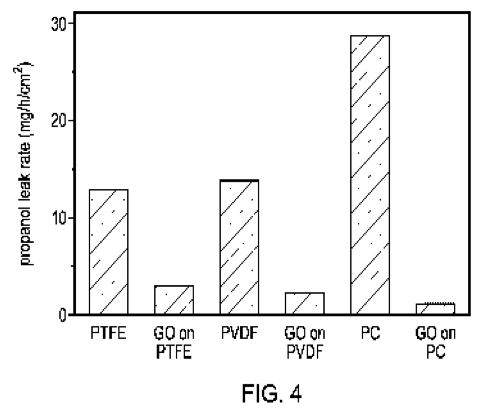
- Porous polymeric support (PTFE, PVDF, polycarbonate)
- Ceramic
- Polymer
Mechanisms of Action
- Water molecules permeate through sub-nanometer graphene-oxide channels
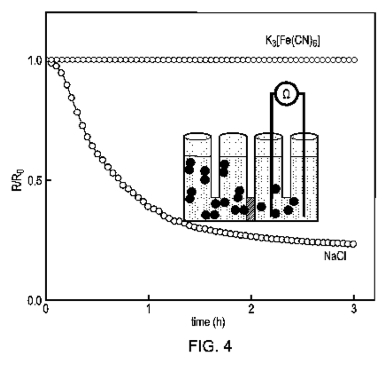
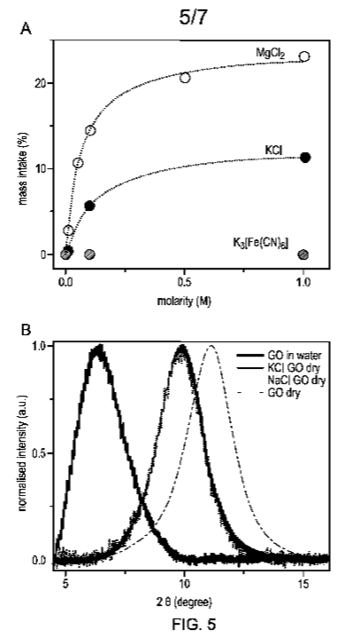
- Small ions are adsorbed and concentrated within the channels (ion sponging)
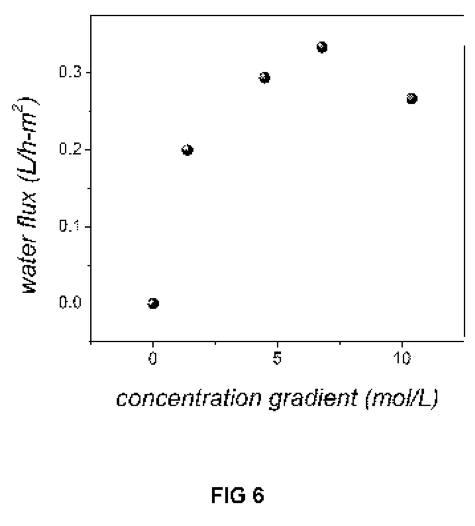
- Pressure or vacuum can enhance flow but is not required
Energy Sources
Applications
- Drinking-water desalination
- Industrial gas drying
- Food-industry concentration (juice, milk)
- Fuel system dehydration
- Laboratory detector systems
Claimed Performance
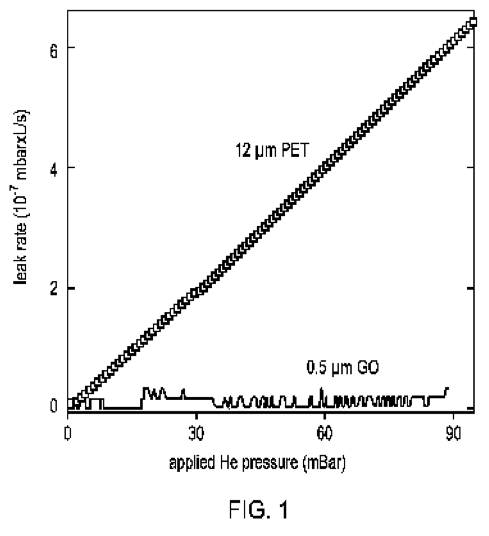
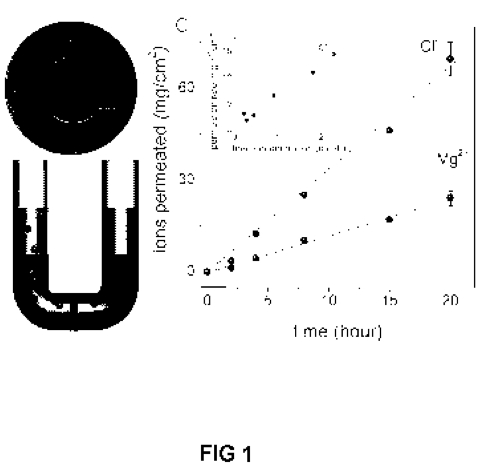
Water flow rates up to 10 x faster than helium; ion exclusion for species >9 Angstrom; ion concentration inside membrane hundreds of times higher than external solution; ultrafast filtration comparable to a coffee filter but with atomic-scale selectivity.
Experimental Evidence
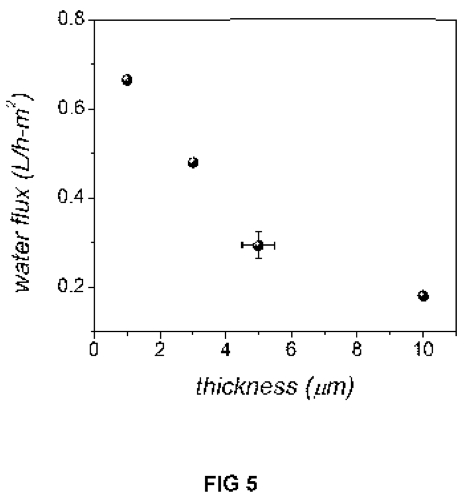
The authors reported in Science (Feb 14 2014) that graphene-oxide laminates allow ultrafast flow of two water monolayers and block ions larger than 9 Angstrom. Earlier work (Science 2012) showed water permeation 10 x faster than helium through 1 um-thick GO membranes.
Limitations
- Scalability of large-area GO membrane production
- Potential fouling and membrane degradation over time
- Need for precise control of pore size (<9 Angstrom)
- Performance with real seawater containing organics and bio-fouling agents