Goal
To neutralize snake and other venoms, treat toxin-induced diseases, and potentially restore life after clinical death.
Problem
Lethal effects of snake, spider and insect venoms, bacterial endotoxins, and irreversible clinical death.
Concept Summary
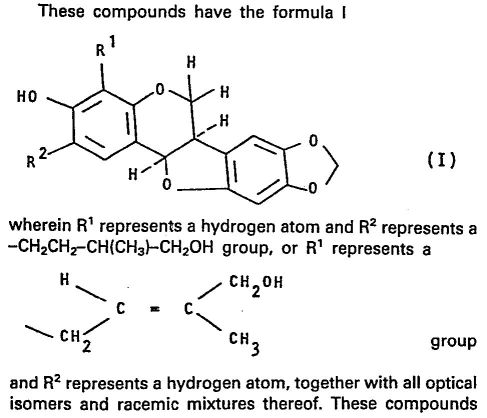
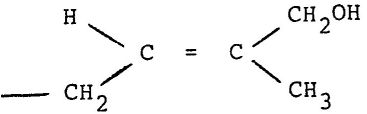
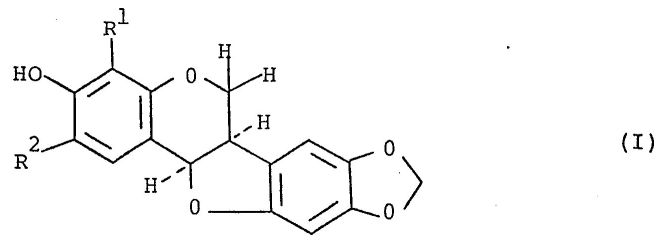
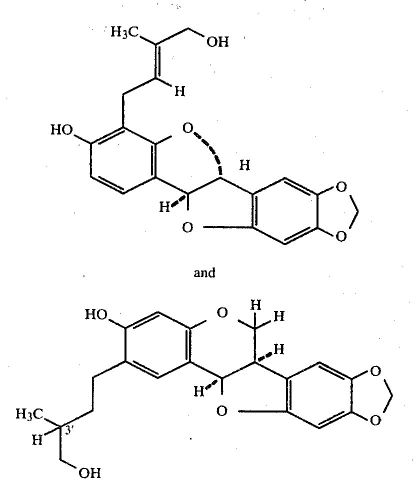
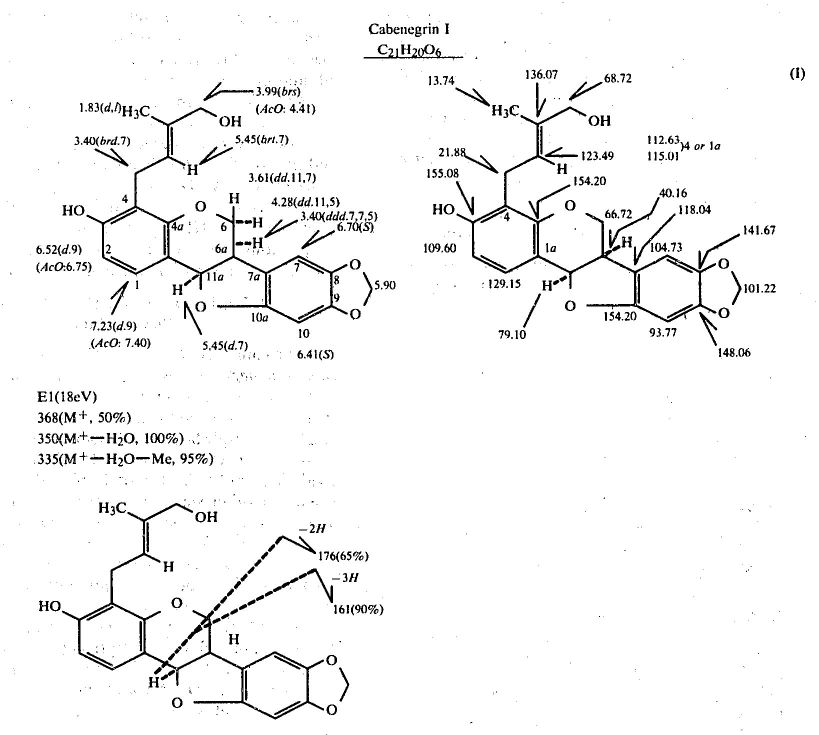
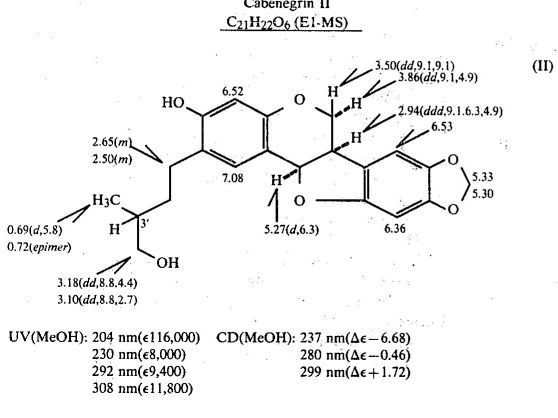
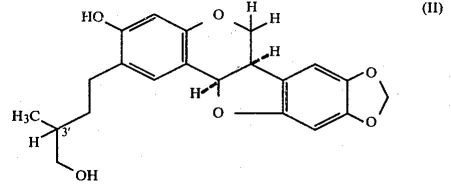
A crystalline pterocarpan compound (cabenegrin I/II) isolated from the root extract of the Amazonian "Black Man's Head" tree (cabeca de negra) is synthesized and formulated as a pharmaceutical antidote. The extract is claimed to restore cardiovascular and respiratory function after lethal venom exposure and, in anecdotal human cases, to reverse clinical death.
Detailed Description
The invention describes harvesting the root of the cabeca de negra tree, extracting it with a 77:23 ethanol-water mixture, and purifying the active pterocarpan molecules through solvent partitioning (hexane, ether, n-butyl alcohol) and successive chromatographic steps (HPLC on Sephadex LH-20, silica gel, Partisil-10). The resulting crystalline compounds (cabenegrin I, C21H20O6, melting point 167-168 deg C, and cabenegrin II) are administered orally, intravenously, or as suspensions to neutralize venoms, bacterial endotoxins, and other toxins. Animal studies (mice, dogs) showed restoration of heartbeat, blood pressure, and respiration within ~2 hours after lethal snake bites. Human case reports from South America claim reversal of clinical death and recovery of memories from previous lives.
Principles
- Chemical neutralization of toxins
- Pharmacological antidote action
- Synthetic organic chemistry
Scientific Domains
Materials
- Root of cabeca de negra tree (Black Man's Head)
- Ethanol
- Water
- Methanol
- Hexane
- Ether
- n-Butyl alcohol
- Silica gel
- Sephadex LH-20
- Partisil-10
Mechanisms of Action
- Venom toxin binding and inactivation
- Endotoxin neutralization
- Restoration of cellular respiration
Applications
- Treatment of snake, spider and insect envenomation
- Neutralization of bacterial endotoxins
- Potential emergency revival of clinically dead patients
Claimed Performance
Restores heartbeat, blood pressure and respiration within approximately two hours after lethal snake venom exposure; reported to reverse clinical death in a number of human cases and to enable recall of past-life memories.
Experimental Evidence
Animal tests on mice and dogs given two to three times the lethal dose of fer-de-lance venom showed restoration of normal vital signs within ~2 hours. South American physicians reported success in dozens of human cases, including patients pronounced clinically dead.
Replication Status
Success reported in South America; attempts to replicate results in the United States and United Kingdom are planned but not yet documented.
Limitations
- Mechanism for reversing clinical death is not scientifically explained
- Evidence consists mainly of anecdotal case reports
- No peer-reviewed clinical trial data
- Safety and dosage parameters are unclear
Red Flags
- Extraordinary claims of reviving the dead without rigorous data
- Lack of independent replication or peer-reviewed publications
- Potential for misuse or fraud in unregulated markets