Goal
Generate stable nanobubbles in water to purify, sterilize, and enhance biological health while enabling mixed freshwater-seawater aquaculture.
Problem
Water contamination, bacterial infection, limited fish coexistence in mixed-salinity environments, and need for low-energy water-treatment technologies.
Concept Summary
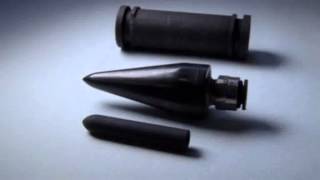
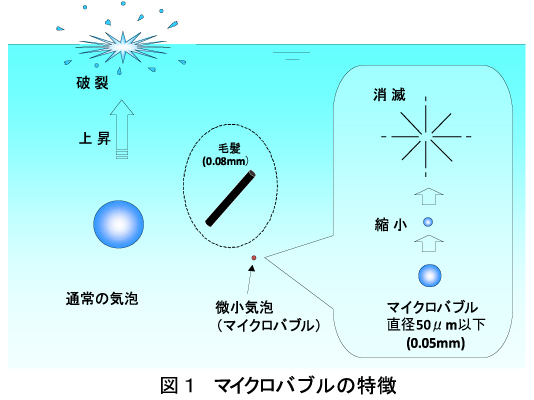
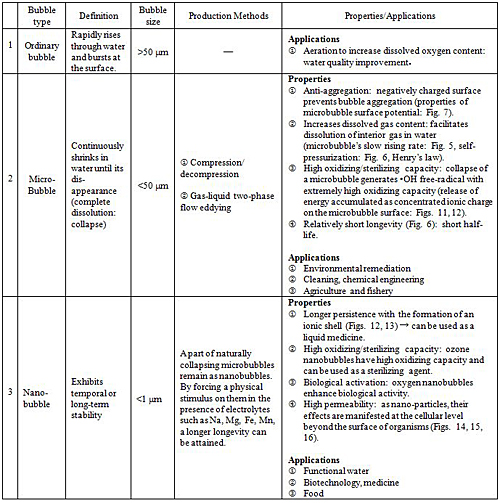
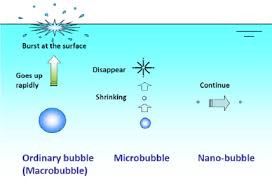
Nanobubble water is produced by forcing water containing a small amount of electrolyte through carbon-ceramic or bio-charcoal nozzles. The rapid jet creates micro-bubbles that shrink via adiabatic compression and isothermal collapse into long-lived nanobubbles (<200 nm). These nanobubbles stabilize through ion adsorption and generate reactive oxygen species that oxidize organic contaminants, provide bactericidal ozone effects, and improve gas transport for organisms.
Principles
- Jet-induced cavitation and micro-bubble formation
- Adiabatic compression and isothermal collapse to nanobubble size
- Ion-mediated surface stabilization
- Reactive oxygen species generation from bubble dissolution
Scientific Domains
Materials
- Amorphous carbon particles
- Clay powder
- Silver nanoparticles
- Ozone
- Oxygen
- Water
- Biocharcoal (pyrolyzed hardwood)
Mechanisms of Action
- Physical generation of nanobubbles via nozzle jetting
- Chemical oxidation by ROS produced during bubble collapse
- Bactericidal action of ozone-filled nanobubbles
- Enhanced gas dissolution for aquatic organisms
Energy Sources
Applications
- Water purification
- Food and seafood sterilization
- Aquaculture (mixed-salinity tanks)
- Medical tissue preservation
- Disinfection of surfaces and membranes
Claimed Performance
70 % effectiveness vs cancer; purifies water; treats gingivitis; enables freshwater and seawater fish to coexist; bactericidal power retained for months; ozone nanobubbles eliminate norovirus in oysters after 8 h.
Experimental Evidence
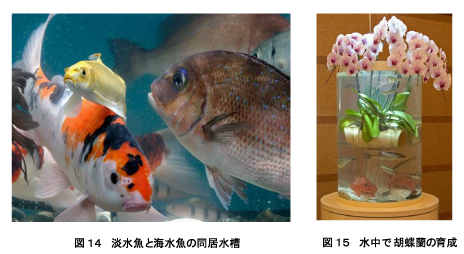
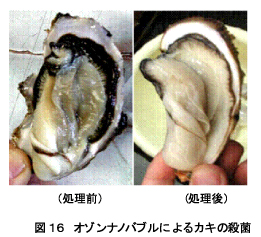
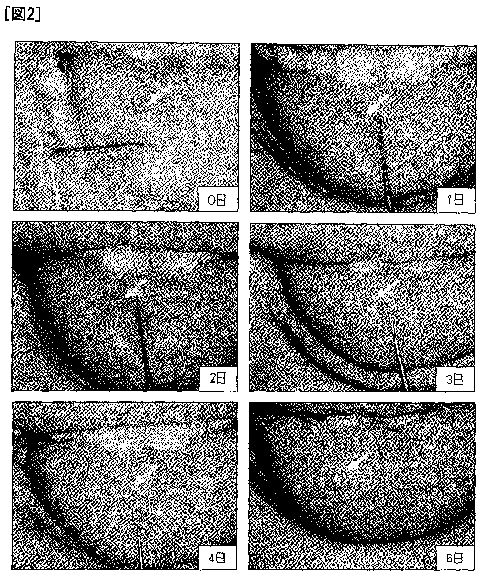
Fish cohabitation experiments showed koi carp and red sea bream survived for months only when oxygen nanobubbles were present. Oysters left 8 h in ozone-nanobubble water were sterilized of norovirus while alive. Long-term studies reported nanobubble stability for several months in bottled water.
Replication Status
Adopted by some seafood companies for oyster sterilization; carbon-ceramic nozzles demonstrated in laboratory settings but not yet commercially ordered.
Limitations
- Nanobubble stability requires ion presence
- Carbon-ceramic nozzles not yet commercially available
- Exact biological mechanisms remain unclear
Red Flags
- Extraordinary health claims (70 % cancer effectiveness) lack peer-reviewed data
- Potential overstatement of benefits without independent replication