Confidence
0.90
Practicability
0.80
Evidence
0.30
Fringe Score
0.20
Risk
0.20
TRL
6
Goal
Generate nanobubbles efficiently in a compact device.
Problem
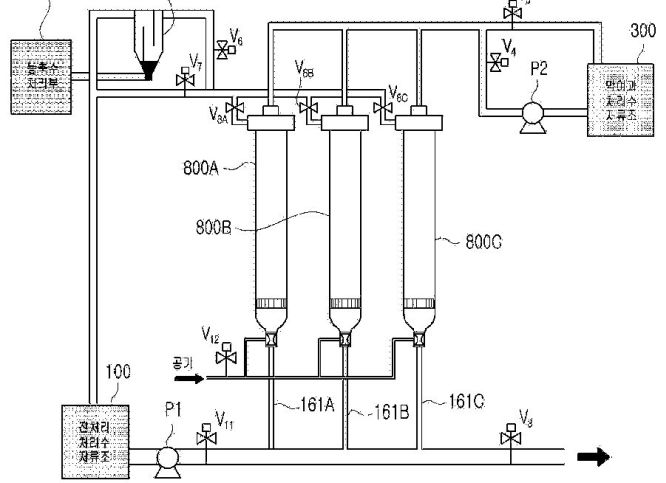
Need for a compact, high-efficiency nanobubble generator for water treatment and related applications.
Concept Summary
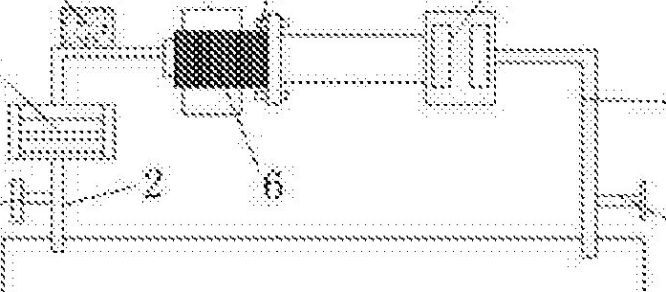
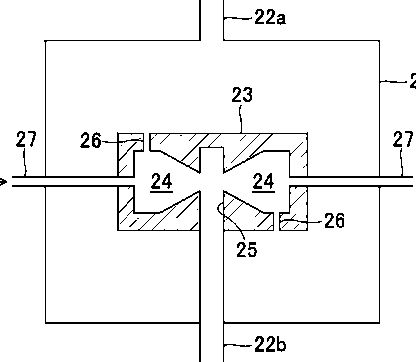
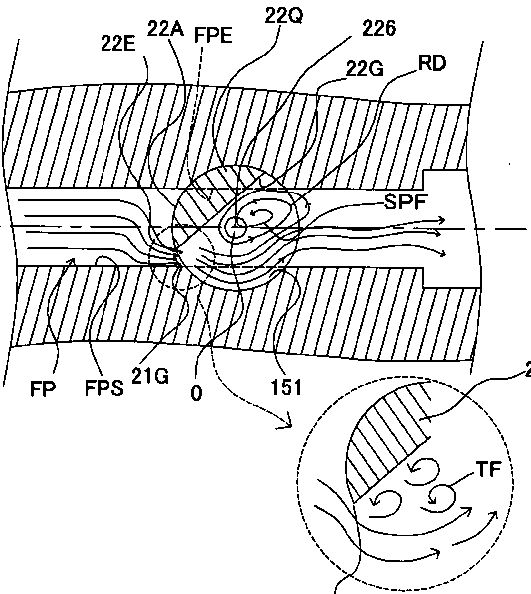
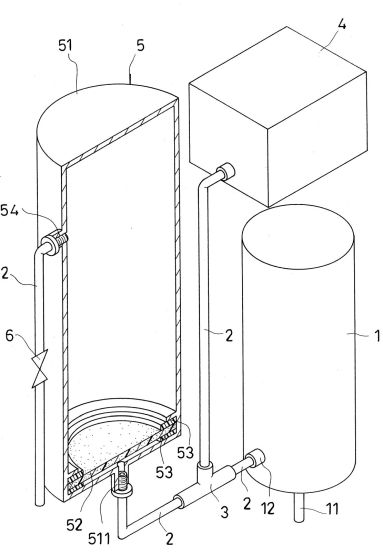
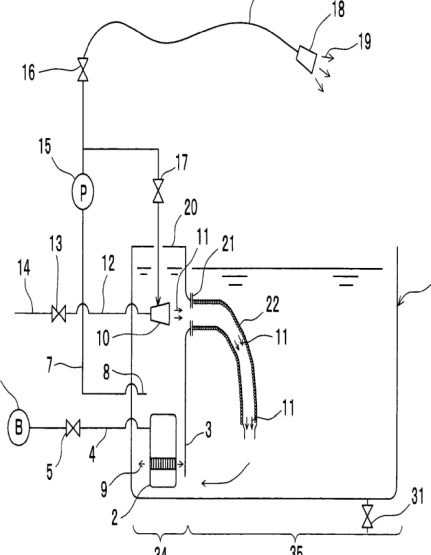
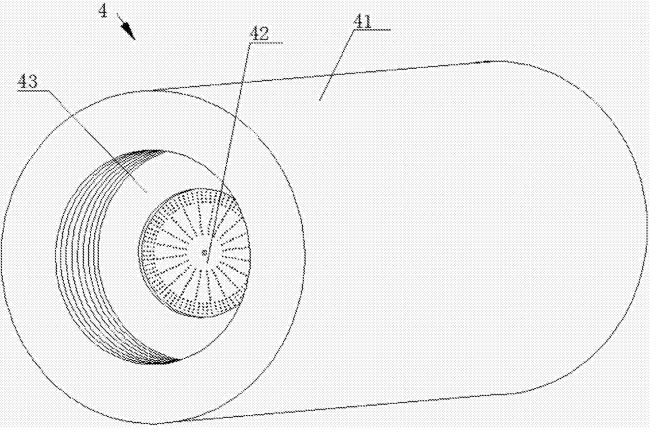
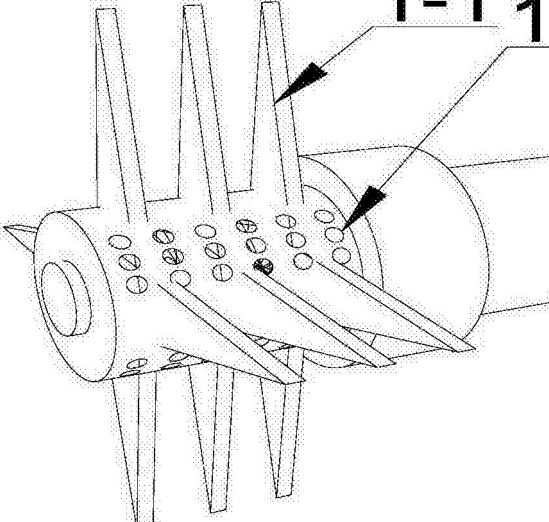
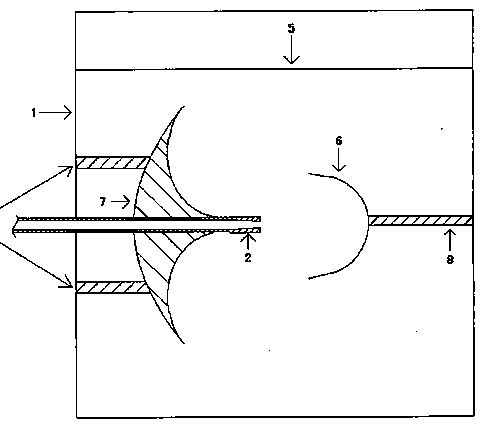
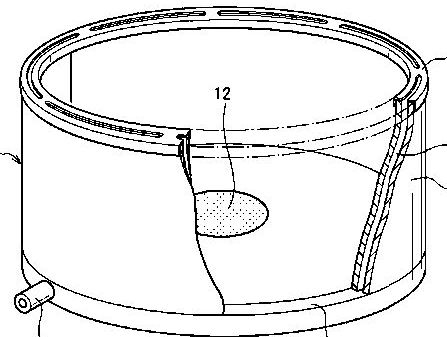
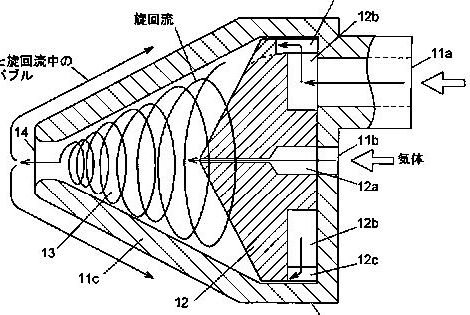
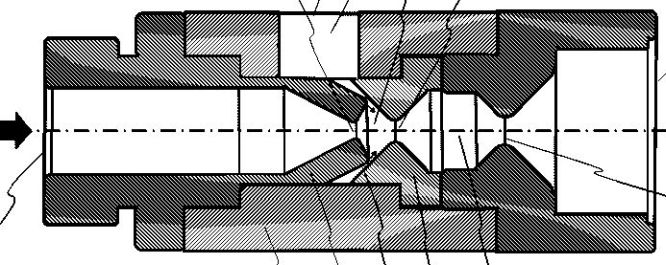
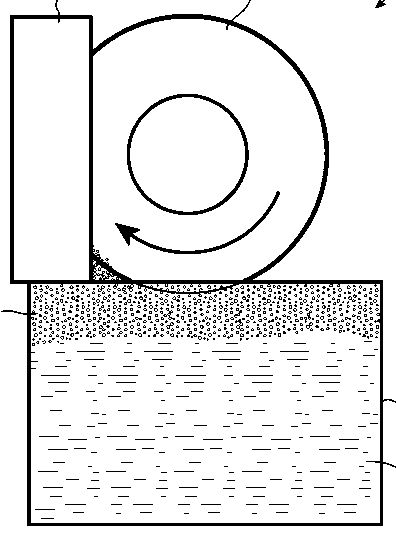
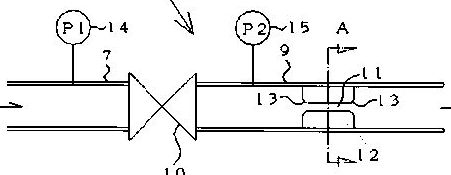
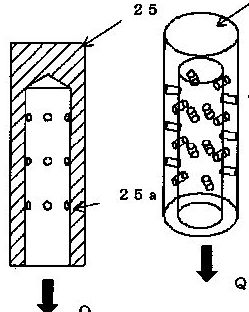
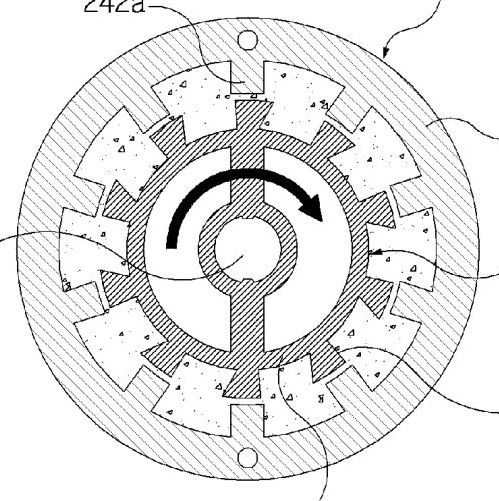
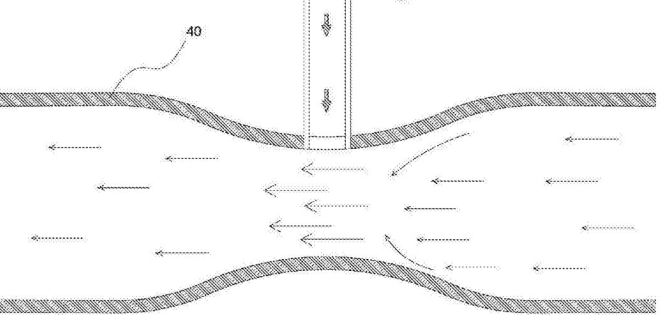
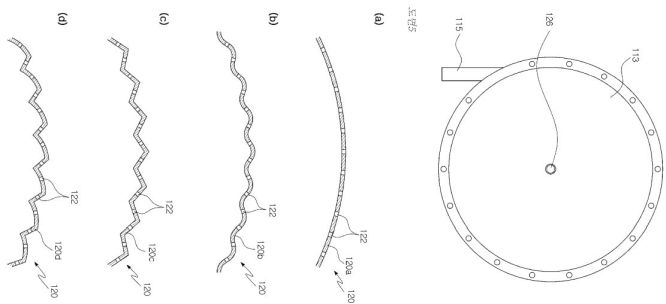
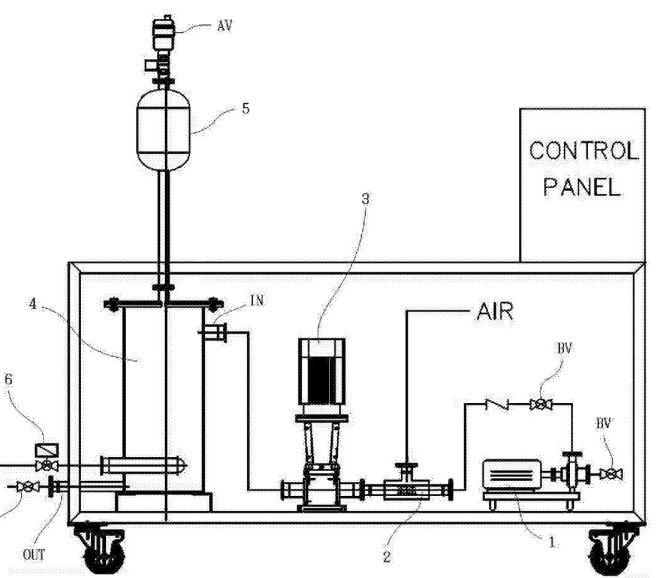
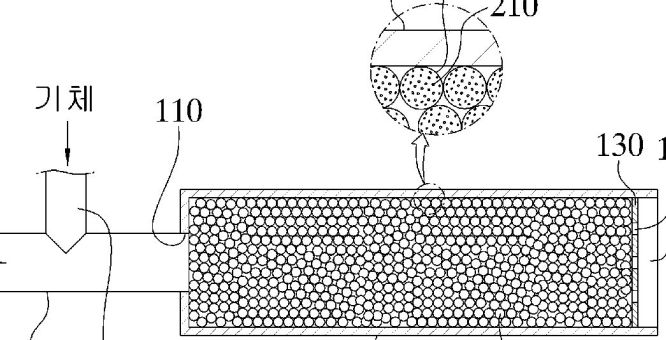
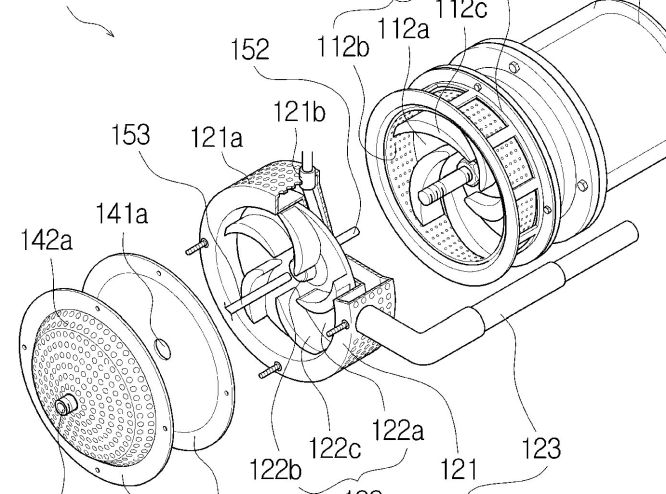
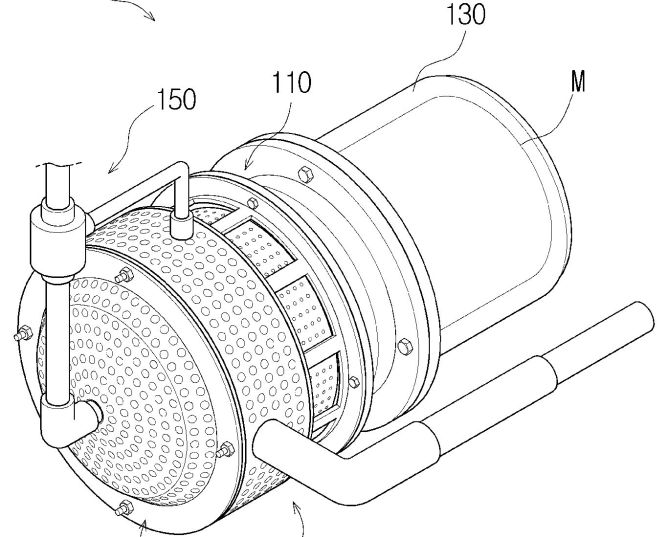
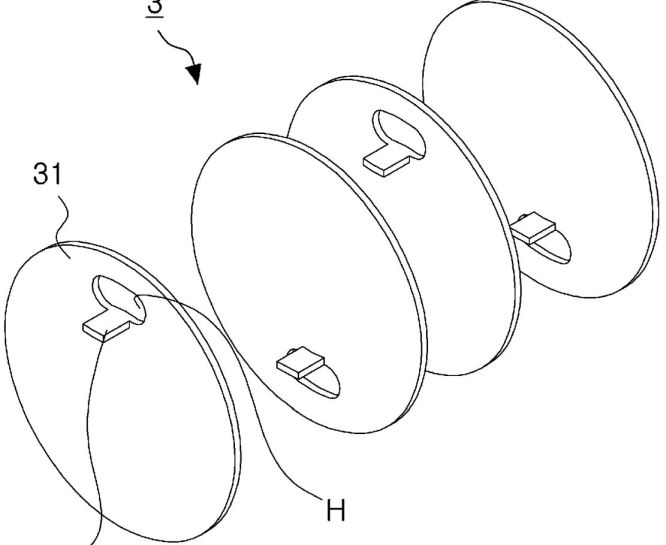
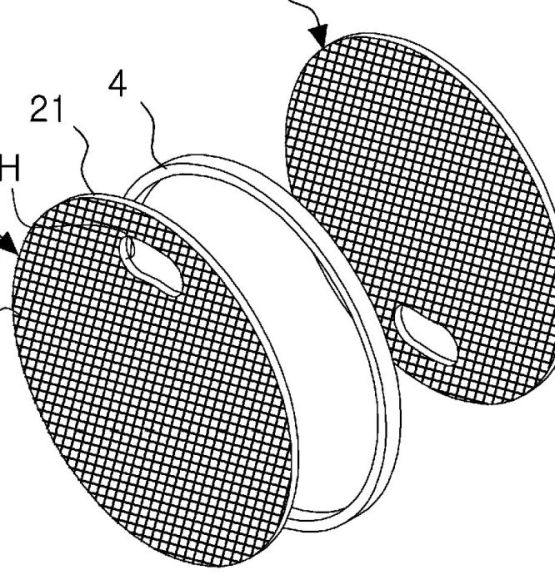
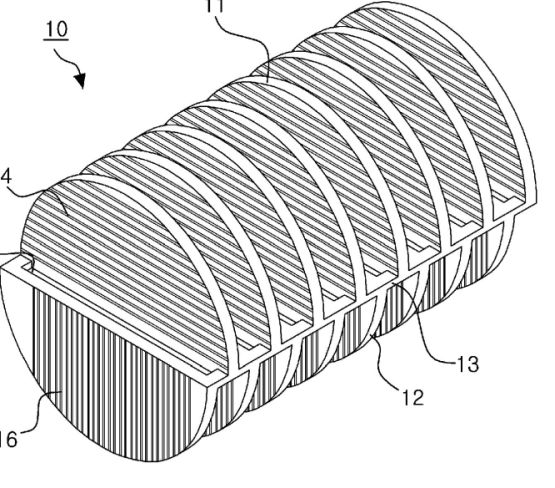
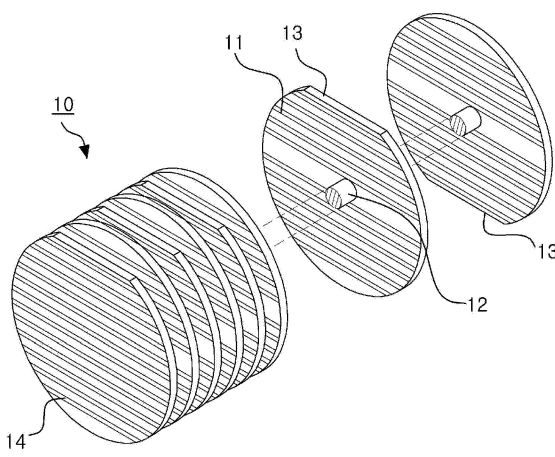
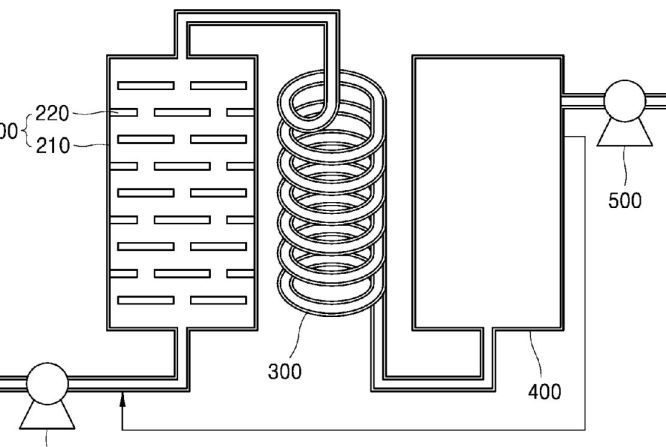
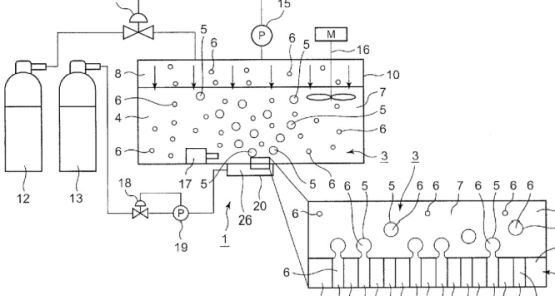
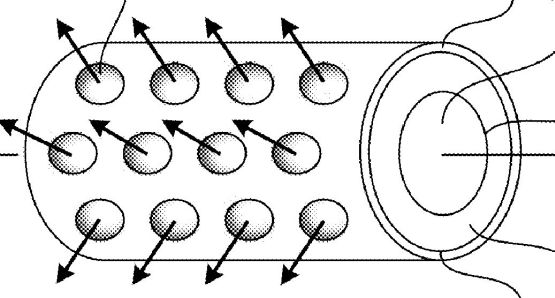
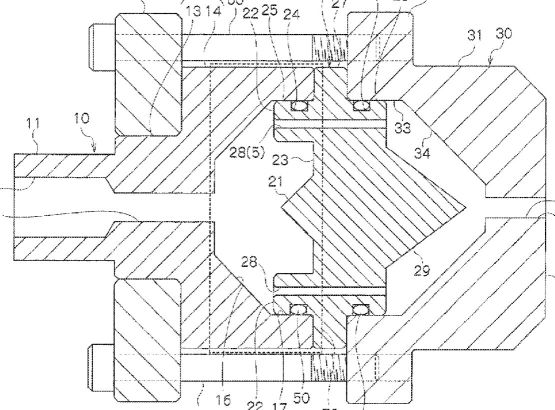
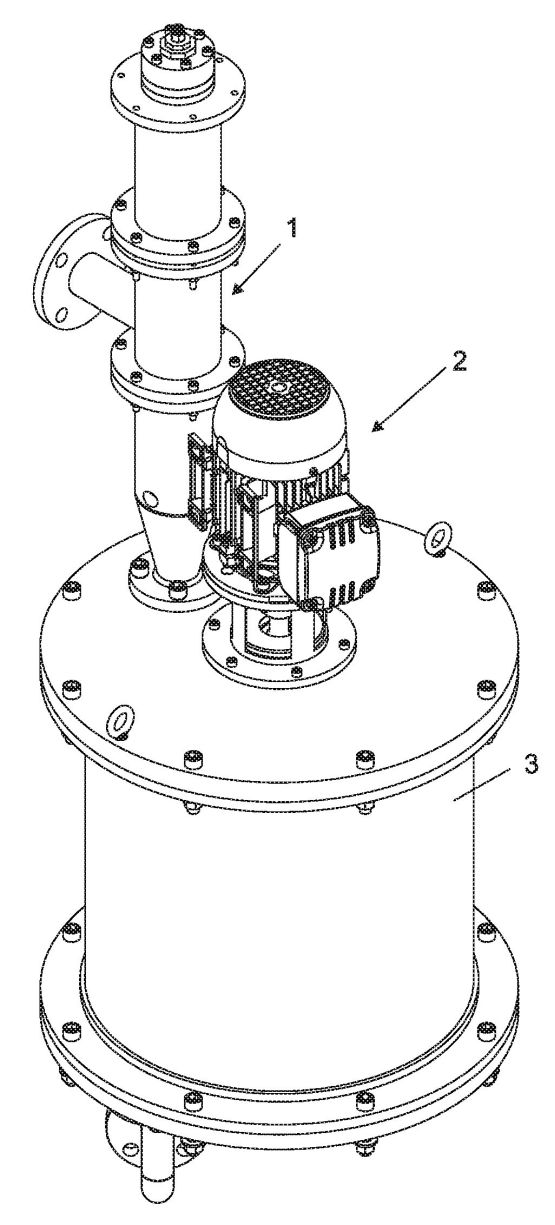
A nozzle that introduces a liquid-gas mixture, passes it through a series of flow paths with varying cross-sectional areas, and uses a nanobubble-generating structure (e.g., porous membrane, helical splitter, or moving rushing piece) to create nanobubbles. Variants include membrane-based generators, bamboo-filter tubes, and collision-plate designs, often combined with feedback circuits for size control.
Principles
- Fluid shear and turbulence
- Pressure differential across porous media
- Hydrophobic surface nucleation
- Vortex and jetting dynamics
- Feedback-controlled valve actuation
Scientific Domains
Materials
- Ceramic membrane
- Hydrophobic porous coating (polymer)
- Porous inner tube (bamboo-like material)
- Metal or plastic collision plates
- PVC or stainless-steel tubing
Mechanisms of Action
- Shear-induced bubble formation in narrow flow paths
- Gas permeation through hydrophobic pores to nucleate bubbles
- Vortex-driven cavitation in helical splitters
- Collision of liquid jets with plates to create pressure spikes
Energy Sources
Applications
- Wastewater treatment
- Coating cloud handling
- Bath and sink cleaning
- Sterilization of water
- Industrial process water treatment
Claimed Performance
Compact design with high nanobubble generation efficiency, low noise, low safety hazard, and ability to control bubble size via feedback circuit.
Limitations
- Requires continuous gas supply
- Performance depends on precise pressure control
- Scaling to very high flow rates may be challenging