Goal
Provide a thin, invisible, durable coating that makes surfaces easy to clean, stain-resistant, water-repellent and antimicrobial.
Problem
Surface contamination, staining, microbial infection and the need for harsh cleaning chemicals on a wide range of materials.
Concept Summary
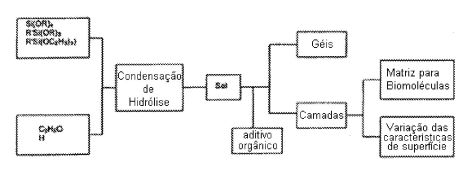
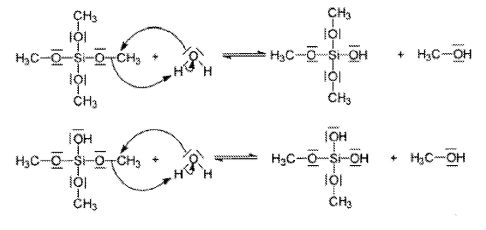
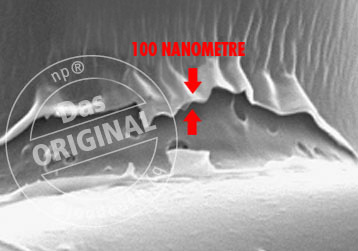
A sol-gel based spray that deposits an ultra-thin (~=100 nm) SiO_2 layer from a water or ethanol suspension. The coating bonds to the substrate via quantum-force interactions, creating a flexible, breathable, food-safe glass-like barrier.
Detailed Description
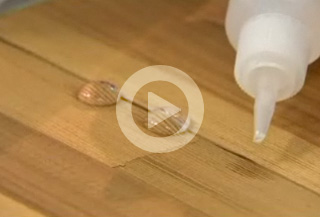
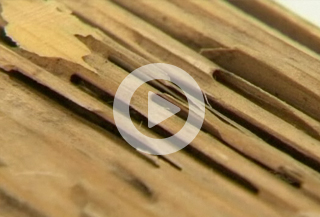
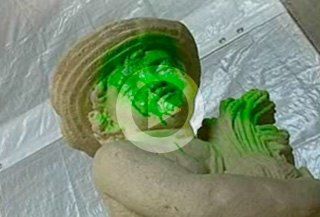
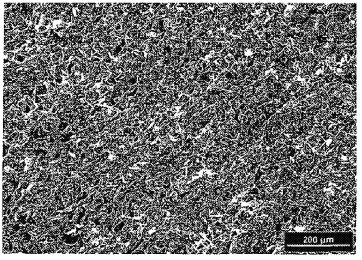
The invention extracts silicon dioxide from quartz sand, disperses it in water or ethanol, and sprays the suspension onto a surface. No nanoparticles, resins or additives are added; the coating self-assembles and adheres through quantum forces. The resulting SiO_2 film is ~100 nm thick, transparent, flexible and breathable. It provides protection against water, UV, dirt, heat, acids and bacterial growth. Applications reported include household surfaces, automotive parts, medical devices (catheters, sutures, implants), agricultural products (seeds, vines), and heritage monuments. Trials in Germany, the UK and Turkey have shown prolonged sterility, reduced cleaning requirements and increased resistance to mildew and termites.
Principles
- Sol-gel coating process
- Quantum-force bonding of SiO_2 to substrates
- Hydrophobic and antimicrobial surface protection
Scientific Domains
Materials
- Silicon dioxide (SiO_2)
- Water
- Ethanol
Mechanisms of Action
- Surface film formation
- Barrier to water and contaminants
- Antimicrobial inhibition of microbial replication
Applications
- Domestic and commercial surface protection
- Medical device coating (catheters, sutures, implants)
- Agricultural seed and vine treatment
- Heritage monument preservation
- Automotive and appliance finish
Claimed Performance
100 nm coating lasting up to several years; provides stain resistance, water repellency, UV protection, heat resistance, and long-lasting antibacterial effect; eliminates need for chemical cleaners.
Experimental Evidence
Trials in German food-processing plants showed sterile surfaces after a hot-water rinse; a year-long hospital trial reported sustained sterility and reduced cleaning; vineyard tests showed increased mildew resistance and faster seed germination; monument tests demonstrated protection against weathering and graffiti.
Replication Status
Multiple field trials reported in Germany, the UK and Turkey; no independent peer-reviewed replication documented.
Limitations
- Exact bonding mechanism is proprietary and not disclosed
- Long-term durability beyond a few years not yet proven
- Potential regulatory hurdles for medical applications
Red Flags
- Lack of peer-reviewed scientific publications
- Proprietary process details limiting independent verification