Goal
Mass-produce nanosilver particles (<=5 nm) and apply them to synthetic fibers to create antibacterial textiles.
Problem
Need for large-scale, cost-effective production of nanosilver with high antibacterial efficacy and reliable coating on fibers.
Concept Summary
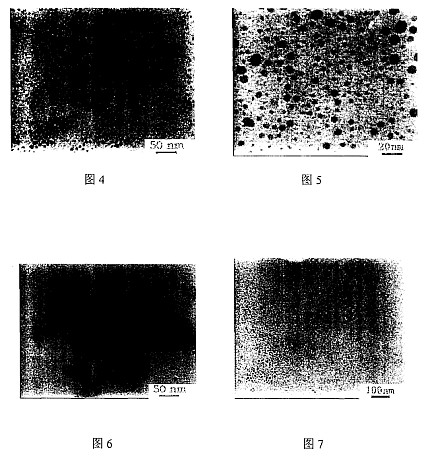
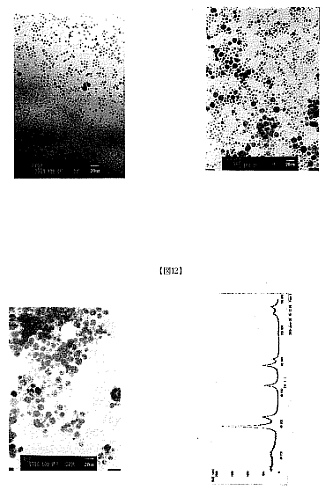
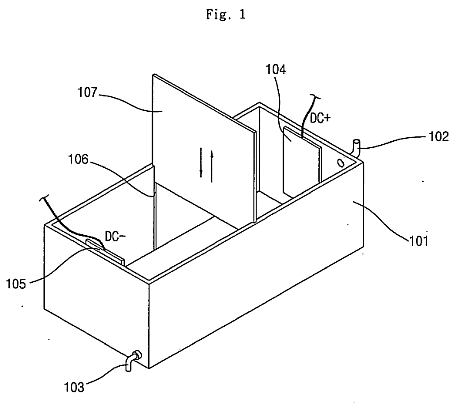
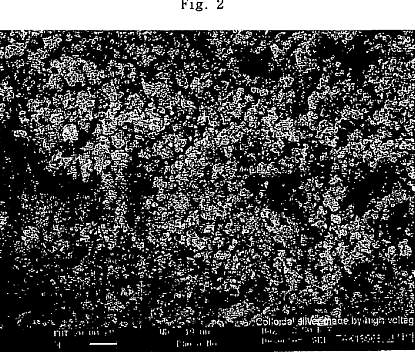
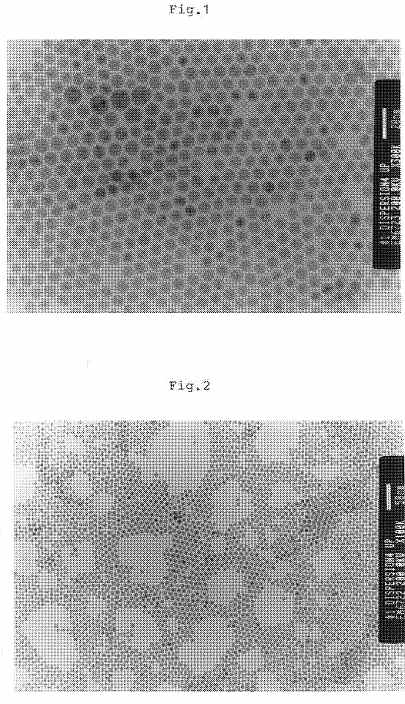
A water electrolysis apparatus applies a DC voltage of 10 000-300 000 V across two silver electrodes immersed in water. By moving a circuit breaker to restrict the current to a minute level, silver ions are reduced to nanoscale particles (1-5 nm). The resulting colloidal nanosilver solution is then applied to synthetic fibers by spraying, coating or dipping, followed by thermal fixation, high-frequency radiation, bubbling or combinations thereof, and a post-finishing step at 160-200 deg C to produce antibacterial fiber.
Detailed Description
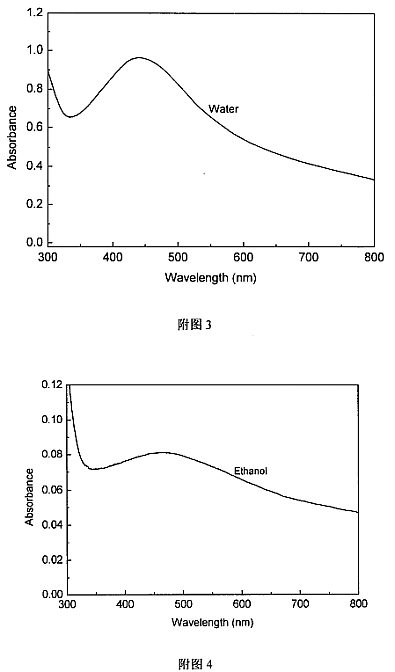
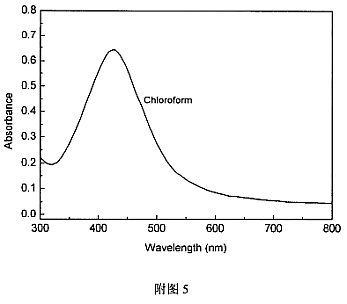
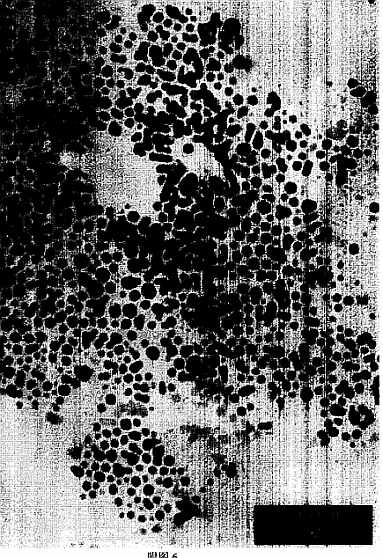
The invention describes a water-based electrolysis cell where two Ag electrode plates are placed on opposite sides of a water reservoir. A DC power source supplies 10 000-300 000 V. A movable circuit breaker divides the reservoir, allowing precise control of the micro-current despite the high voltage. This controlled current limits silver ion reduction to nucleate nanosilver particles of <=5 nm. The aqueous nanosilver solution (10-100 ppm) is applied to scoured synthetic fibers; the fibers are then subjected to a fixation process (thermal, RF, or bubbling) and a final heat treatment (160-200 deg C). The coated fiber contains 0.01-0.1 g nanosilver per 100 g fiber and exhibits >99.9 % antibacterial activity within 5 minutes of contact.
Principles
- High-voltage electrolysis
- Micro-current control via circuit breaker
- Nucleation and growth inhibition of silver nanoparticles
- Adsorption of nanoparticles onto polymer fibers
- Thermal or RF fixation
Scientific Domains
Materials
- Silver (Ag) metal
- Water (H_2O)
- Synthetic fiber polymers (e.g., polyester, nylon)
Mechanisms of Action
- Electrical reduction of Ag^+ ions to metallic Ag nanoparticles
- Size-controlled nucleation under limited current
- Surface adsorption of nanosilver onto fibers
- Release of Ag^+ ions causing bacterial enzyme inhibition
Energy Sources
Applications
- Antibacterial clothing
- Medical textiles
- Deodorizing fabrics
- Hospital linens
Claimed Performance
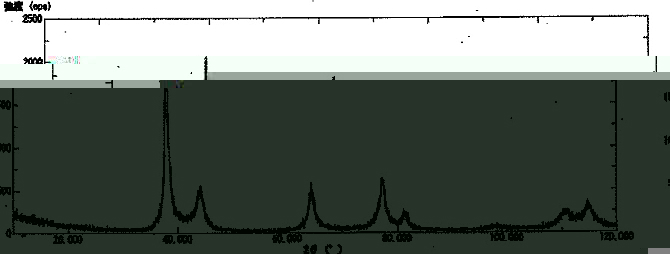
Nanosilver particle size <=5 nm; antibacterial efficiency 99.9 % within 5 minutes; coating load 0.01-0.1 g nanosilver per 100 g fiber; post-finishing at 160-200 deg C.
Experimental Evidence
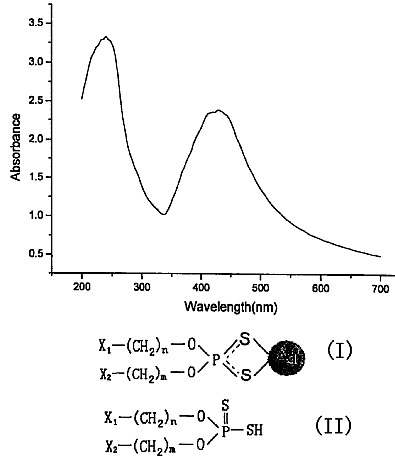
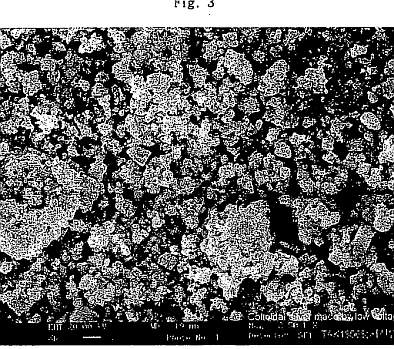
The patent cites experimental data showing 99.9 % antibacterial and germicidal efficiency of silver powders against a broad range of bacteria, and that particles <=5 nm provide superior surface adsorption and antibacterial activity.
Limitations
- Requires very high voltage equipment and precise current control
- Safety concerns associated with 10 k-300 k V operation
- Potential environmental impact of released nanosilver