Goal
Rapidly kill viruses, bacteria and other microorganisms on surfaces using far-UV light.
Problem
Drug-resistant infections (MRSA, C. diff, Norovirus, etc.) and general surface contamination in hospitals, hotels, food-processing facilities and homes.
Concept Summary
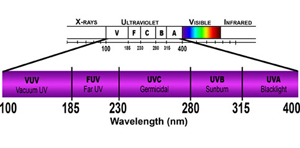
A handheld wand emits far-UV photons (shorter wavelength than conventional germicidal UV) that break DNA strands of microorganisms, achieving >99 % kill in less than a second.
Detailed Description
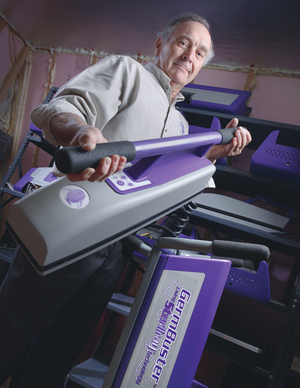
The Sterilray system consists of a lightweight wand (~=4 lb) with a UV lamp at its tip, powered by a portable electric power pack. The wand is held 2-6 inches above a surface and emits a purplish far-UV light that destroys microbial DNA. Two form factors are offered: a wheeled power pack for facility use and a backpack-style pack for mobile use. Units cost about $26 000 each and have been sold to a VA hospital in California and a distributor in England. Laboratory tests by Microbiology Research Associates reported nearly 100 % kill of test organisms within seconds.
Principles
- Far-UV photon absorption by nucleic acids
- DNA strand breakage and loss of replication ability
- High-energy UV germicidal effect
Scientific Domains
Materials
- Quartz UV lamp
- Metal housing
- Plastic/ceramic housing
- Electrical wiring and connectors
Mechanisms of Action
- Photon-induced DNA damage
- Disruption of microbial replication
- Rapid surface sterilization
Energy Sources
Applications
- Hospital surface disinfection
- Food-processing plant sanitation
- Hospitality industry cleaning
- Home and office surface cleaning
- Air-duct and HVAC system sterilization
Claimed Performance
Up to 10 000 x more effective than chemical cleaners; near-100 % kill of bacteria and viruses in <1 s; claimed 10-second exposure kills almost all pathogens.
Experimental Evidence
Microbiology Research Associates tested the device on petri-dish cultures and observed almost 100 % kill; inventor's own tests claim similar results. No peer-reviewed publications are cited.
Replication Status
Several units have been sold and are being tested in the United States (VA hospital) and England; no independent third-party replication reported.
Limitations
- High unit cost (~$26 000)
- Requires electrical power source
- Potential UV exposure risk to operators if not shielded
- Limited independent testing data
Red Flags
- Performance claims (10 000 x more effective) are based on proprietary testing without independent verification
- No peer-reviewed studies or third-party validation cited