Goal
Convert saline water into potable water using low-grade thermal energy with minimal electricity consumption.
Problem
High energy demand and cost of conventional desalination methods such as reverse osmosis and multi-effect flash distillation.
Concept Summary
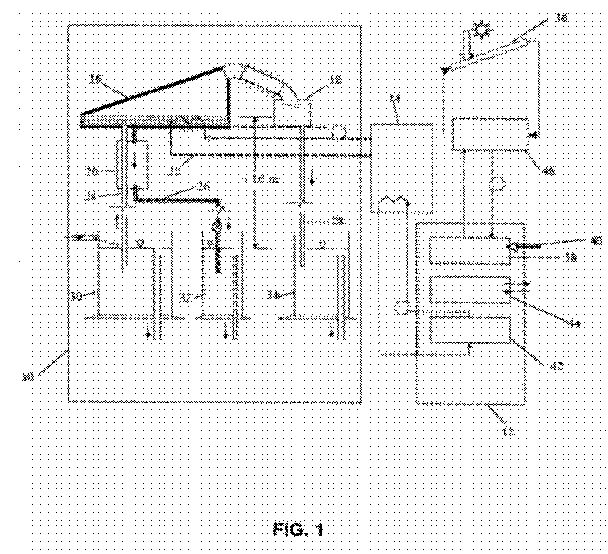
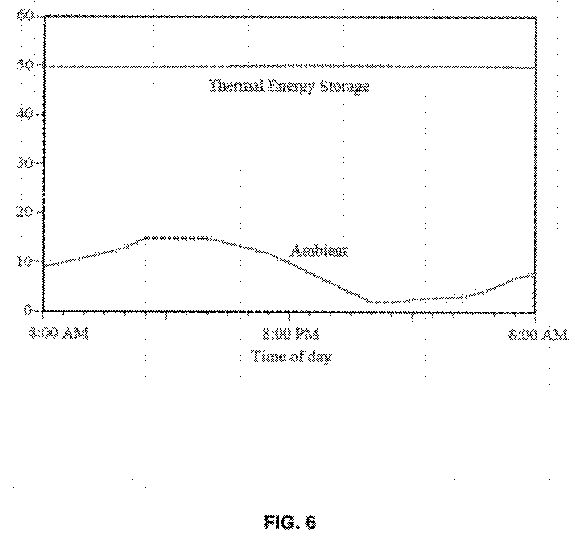
The system uses gravity-driven barometric pressure columns to create a near-vacuum headspace, allowing water to evaporate at low temperatures (~=40-50 deg C) and condense on the opposite side. Low-grade heat from solar collectors, waste heat, or absorption refrigeration is stored in a thermal energy storage tank to maintain the required temperature differential, enabling continuous desalination with virtually no moving parts.
Detailed Description
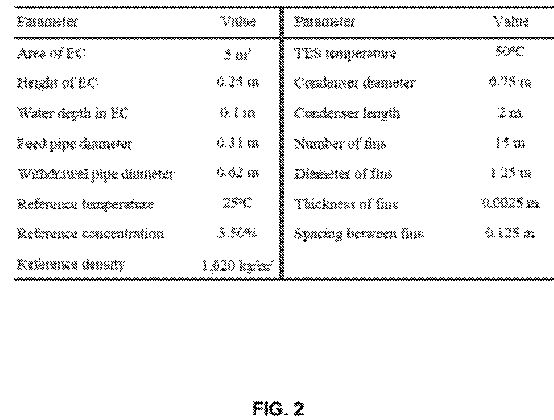
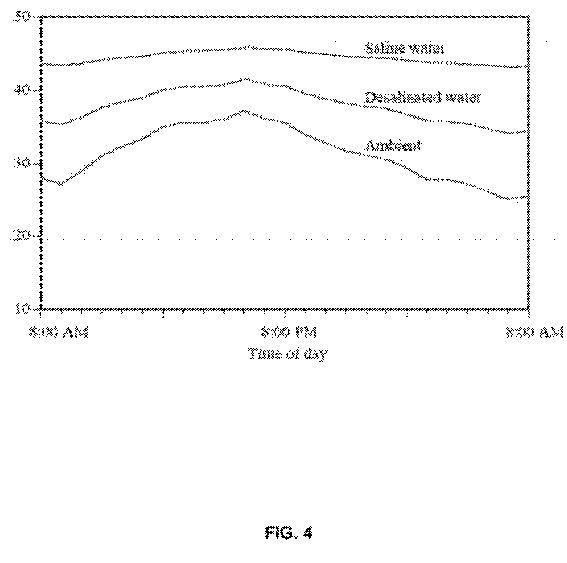
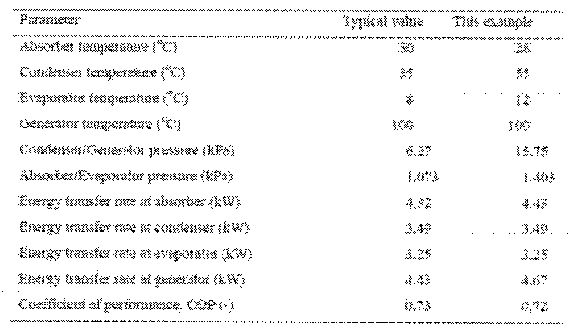
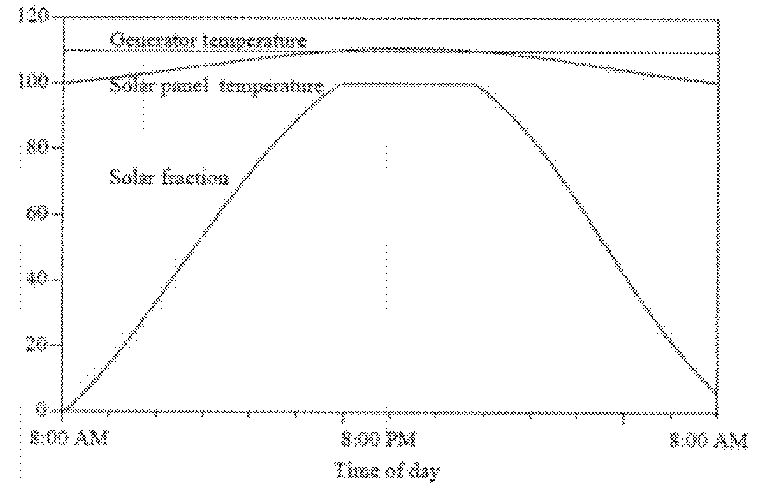
A prototype consists of three vertical columns (~=10-11 m tall) - a saline water column, a brine withdrawal column, and a desalinated water column - connected by a horizontal tube. The height creates a pressure head that generates a vacuum in the headspace. By heating the headspace of the saline column 10-15 deg C above the desalinated column, water evaporates from the saline side and condenses as fresh water on the opposite side. A thermal energy storage (TES) unit stores low-grade heat supplied by solar panels or waste heat from an absorption refrigeration system (using LiBr-H_2O refrigerant). The system operates continuously, requiring only an initial start-up pump and no other mechanical moving parts.
Principles
- vacuum distillation
- gravity-driven barometric pressure head
- low-grade thermal energy utilization
- thermal energy storage
- absorption refrigeration
Scientific Domains
Materials
- water
- saline water
- brine
- LiBr-H_2O refrigerant
Mechanisms of Action
- evaporation under near-vacuum
- condensation of vapor on cooler column
- heat exchange between brine and feed water
- thermal storage to maintain temperature differential
Energy Sources
Applications
- household water supply
- remote or off-grid communities
- brine waste-heat recovery
Claimed Performance
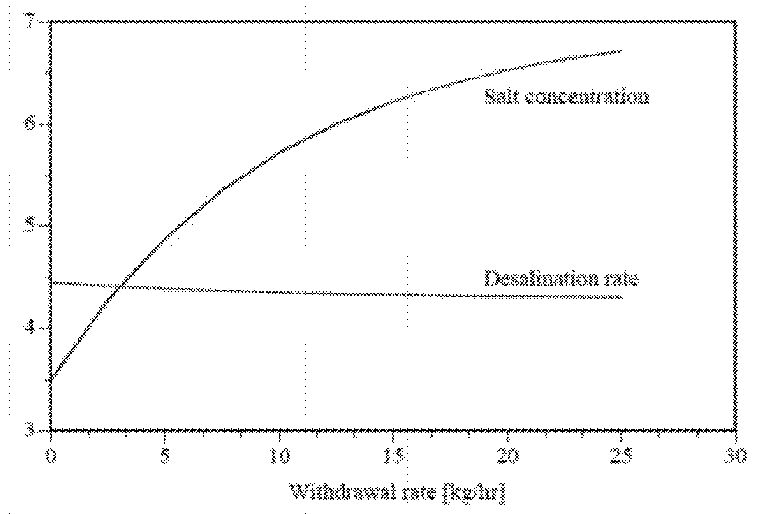
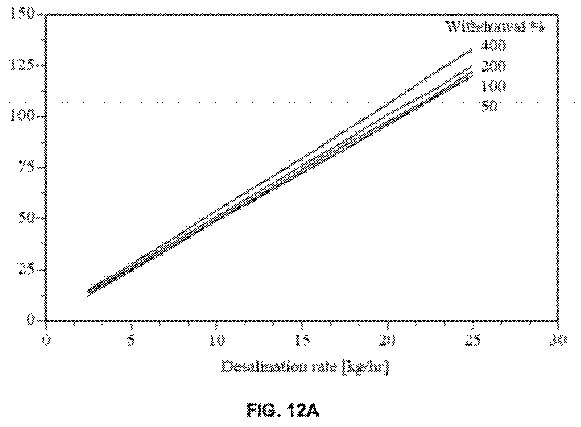
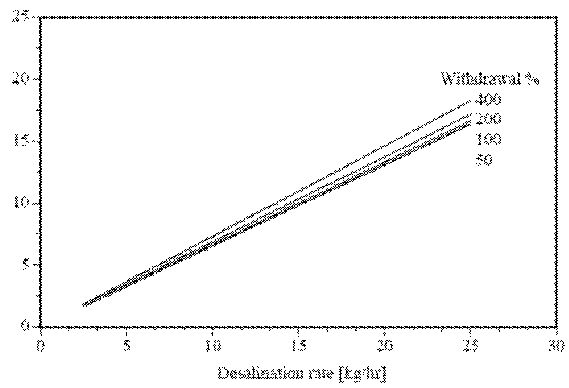
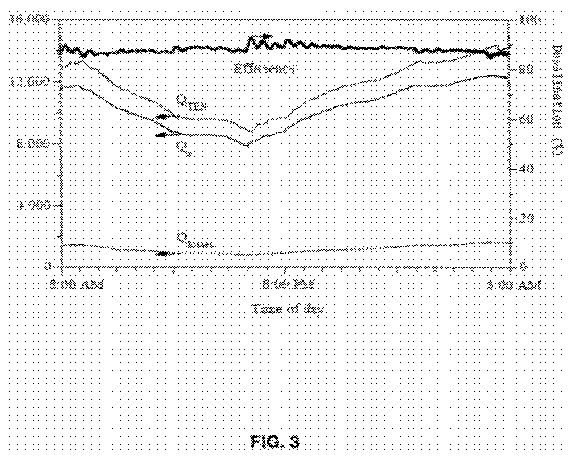
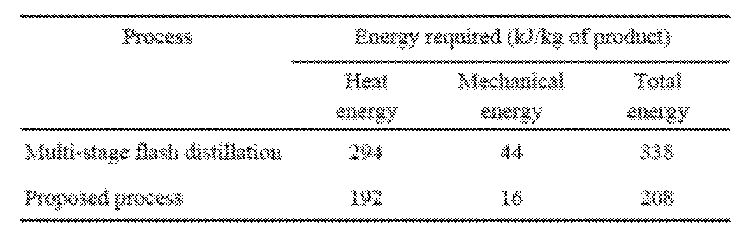
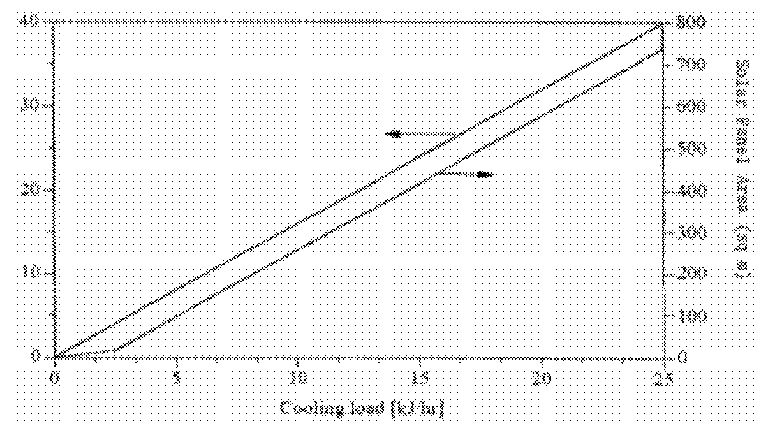
Prototype can continuously supply a four-person household; feasibility study reports ~4.5 kg hr^-^1 desalinated water using ~208 kJ kg^-^1 of water (~=3.25 kW heat input).
Experimental Evidence
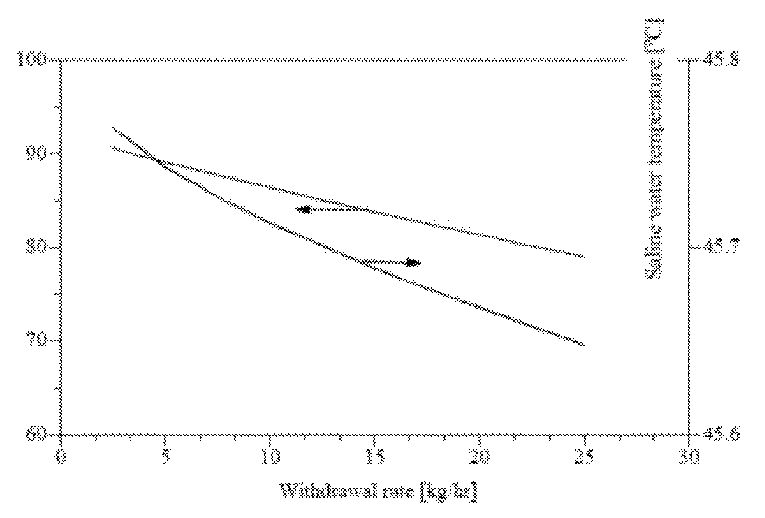
A 30-ft tall NMSU prototype powered by a solar panel produced continuous fresh water for a four-person household; simulation and bench-scale tests showed 4.5 kg hr^-^1 desalination at 40-50 deg C with a 3.25 kW heat source.
Replication Status
Prototype built and demonstrated at New Mexico State University; no independent third-party replication reported.
Limitations
- System height (~=10 m) may limit installation sites
- Requires a source of low-grade heat or solar collector
- Brine disposal still required