Goal
Shrink lung and breast cancer tumors with minimal side effects
Problem
Cancerous tumors (lung, breast) and related wound-healing deficits
Concept Summary
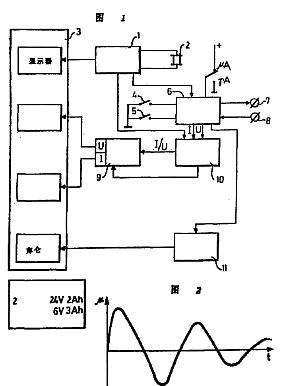
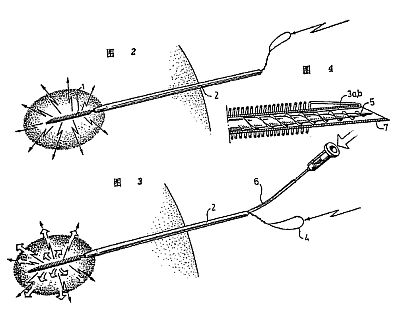
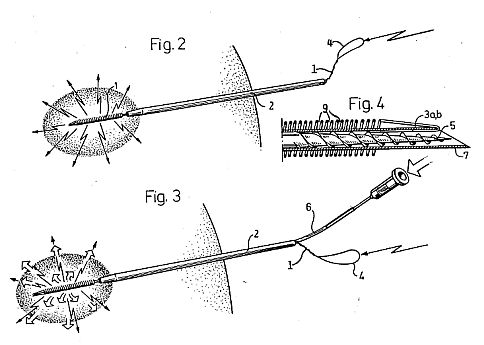
The article describes a Biologically Closed Electric Circuit (BCEC) model in which tumors act as wet-cell batteries generating a positive electric potential. Applying a low-voltage direct current (EChT) to the tumor creates electric fields, ion transport, and electroosmotic water removal that attract immune cells, contract capillaries, and alter tissue structure, leading to tumor shrinkage.
Principles
- Electrochemical therapy (EChT)
- Direct-current electric field application
- Electroosmosis
- Ion transport in interstitial fluid
- Biologically closed electric circuits
Scientific Domains
Mechanisms of Action
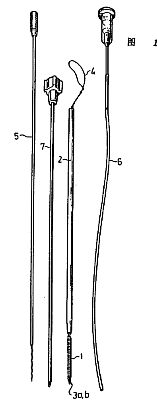
- Application of low-voltage DC to tumor tissue
- Induction of electric fields that attract white blood cells
- Electroosmotic removal of water from tumor
- Ion migration (H^+, phosphate) altering tumor micro-environment
- Capillary contraction reducing nutrient supply
Energy Sources
Applications
- Cancer therapy
- Wound healing
- Eye disease treatment (macular degeneration, diabetic retinopathy, etc.)
Claimed Performance
Effective shrinkage of lung and breast cancer tumors with no significant side effects; low-cost and repeatable without therapeutic resistance.
Experimental Evidence
Clinical observations and photographs showing fibrosis disappearance and new fibrous tissue formation after 10 V, 1.75 mA applied for 10 days; reports of red-blood-cell morphological changes at nano-ampere currents; FDA-guided clinical trial summaries referenced on the Acuity Medical Systems website.
Replication Status
No independent replication reported; claims based on the author's own clinical experience and unpublished trial data.
Limitations
- Lack of peer-reviewed, quantitative clinical data
- Unclear optimal voltage/current parameters
- Potential variability in electrode placement and tissue conductivity
Red Flags
- Claims of "no side effects" without supporting safety studies
- Absence of independent replication or randomized controlled trials
- Possible overstatement of efficacy based on anecdotal images