Goal
Directly convert the magnetic energy of alpha and beta decay particles into continuous electrical power with high efficiency.
Problem
Low conversion efficiency and heavy shielding requirements of conventional radioisotope thermoelectric generators (RTGs) and limited lifespan of chemical batteries.
Concept Summary
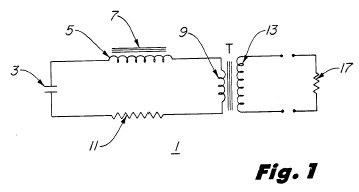
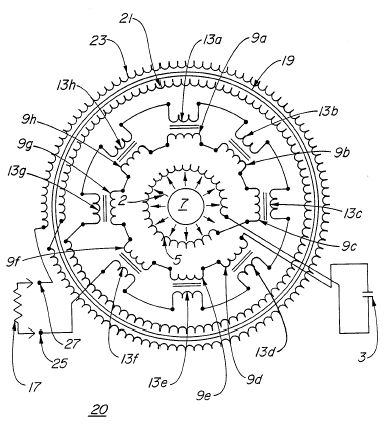
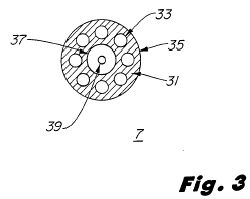
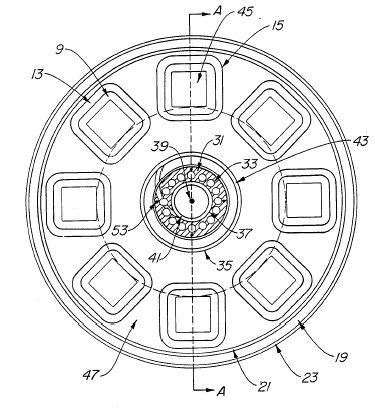
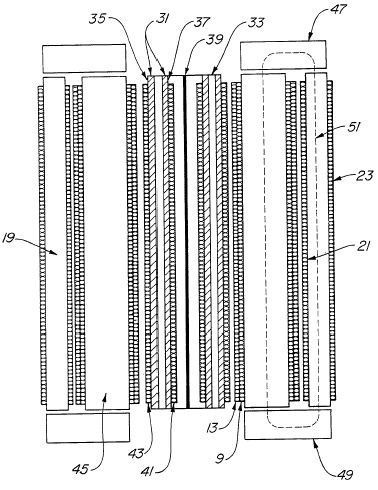
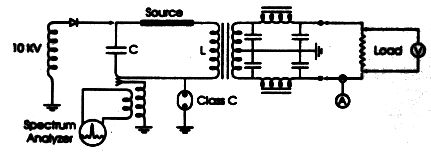
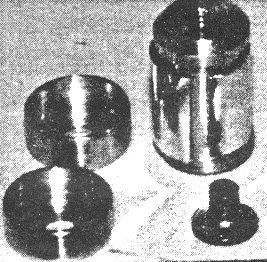
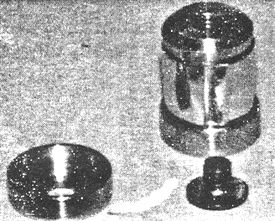
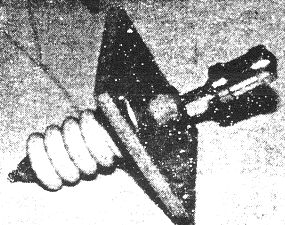
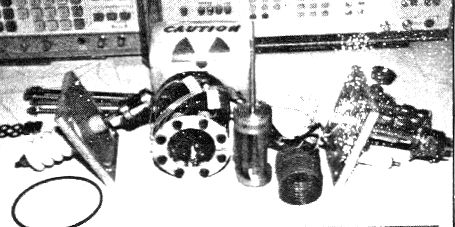
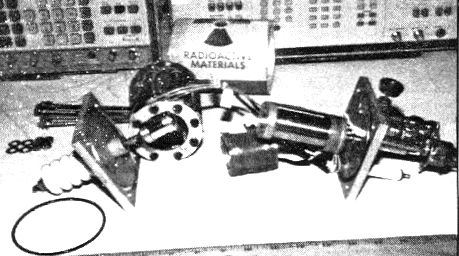
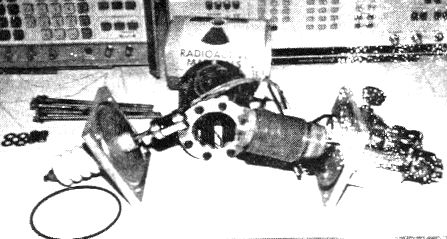
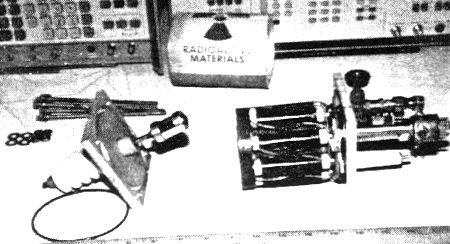
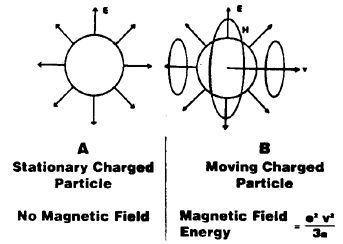
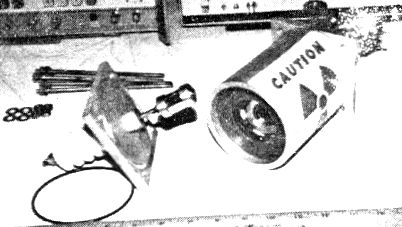
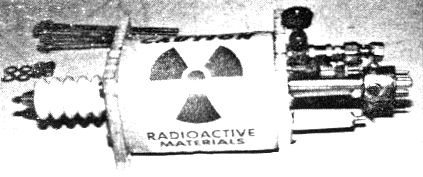
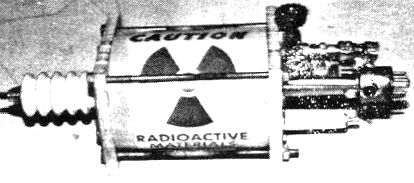
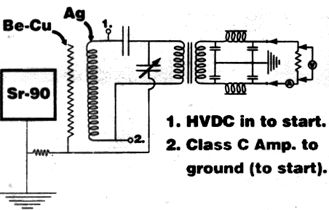
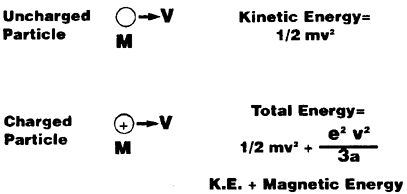
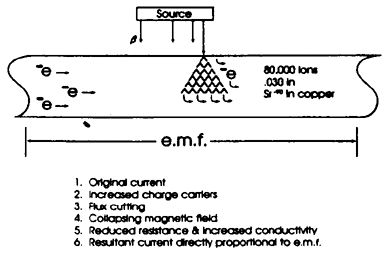
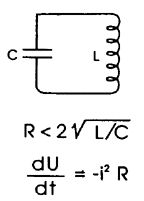
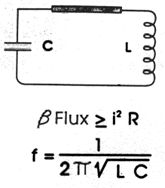
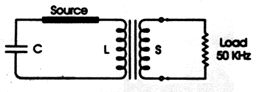
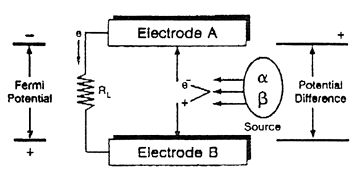
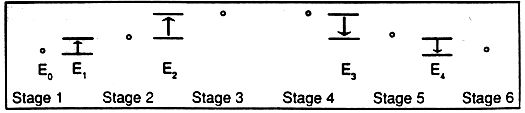
The Nucell battery uses a solid radioisotope (e.g., strontium-90 or radium-226) that emits alpha and beta particles. The moving charged particles generate microscopic magnetic fields; Brown's invention "organizes" these fields so that their collapse produces an emf. The device incorporates an LCR resonant tank circuit and a high-Q transformer to extract the generated voltage, delivering AC power directly without an intermediate heat stage.
Principles
- Alpha/Beta particle magnetic field collapse (alpha-beta voltaic effect)
- Resonant LCR tank circuit oscillation
- High-Q transformer impedance matching
- Direct electromagnetic conversion of decay particle energy
Scientific Domains
Materials
- Strontium-90 (radioisotope fuel)
- Radium-226 (radioisotope fuel)
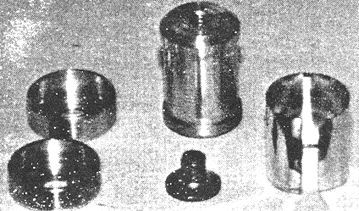
- Stainless steel (vacuum container)
- Copper wire (LCR circuit components)
- High-vacuum environment
Mechanisms of Action
- Capture magnetic energy released by moving alpha/beta particles
- Organize microscopic magnetic fields into a coherent resonant system
- Convert field collapse into emf within an LCR tank
- Transfer power to load via matched high-Q transformer
Energy Sources
Applications
- Military remote power supplies
- Underwater listening devices
- Satellite power systems
- Long-life wheel-chair power
- Portable computer power
Claimed Performance
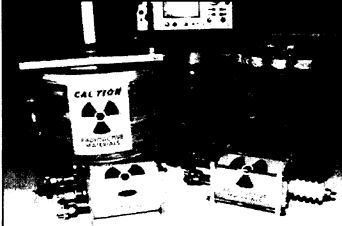
Prototype produced 7 500 W per gram of Sr-90 (~=100 000x the energy density of the best thermal nuclear battery). A soup-can-size unit generated up to 70 W; a D-cell size unit 1-5 W with a 3-5 year life. Independent-sponsored tests reported >25 % conversion efficiency.
Experimental Evidence
Prototype measurements: 7 500 W/g Sr-90; 70 W from a can-size device; 25 % conversion efficiency reported by peripheral-sponsored tests.
Limitations
- Handling and shielding of radioactive material
- Regulatory restrictions on deployment of radioisotope devices
- Limited availability of Sr-90 and Ra-226 fuel
- Potential degradation of vacuum container over long lifetimes
Red Flags
- Extraordinary energy-density claims without independent peer-reviewed validation
- Potential safety hazards due to radioactive fuel and high-vacuum containment
- Lack of documented independent replication