Goal
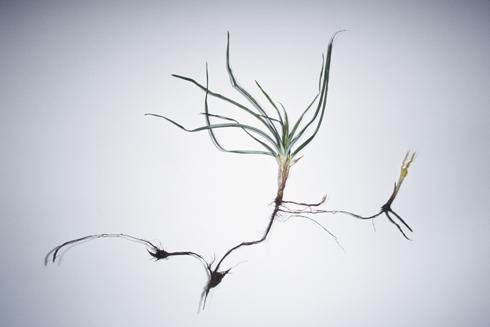
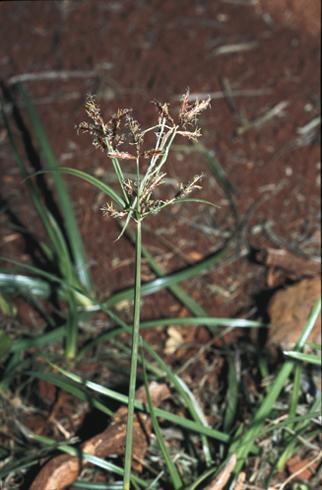
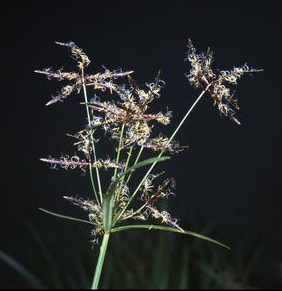
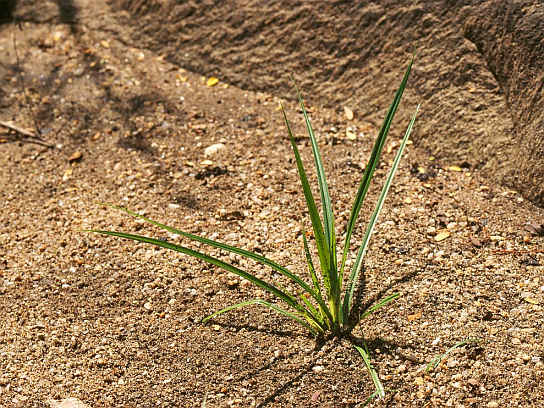
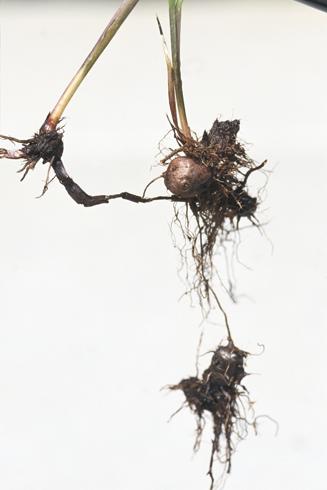
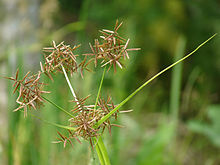
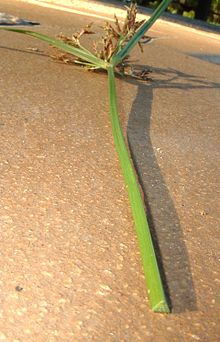
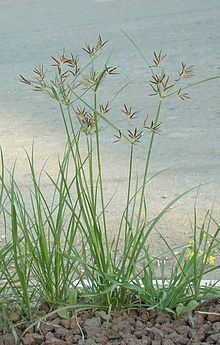
Determine whether ingestion of Cyperus rotundus (purple nutsedge) tubers contributed to the unusually low incidence of dental caries in an ancient Sudanese population.
Problem
High prevalence of tooth decay associated with carbohydrate-rich diets in early agricultural societies.
Concept Summary
Archaeological dental calculus from 2,000-year-old Sudanese skeletons contained chemical markers of Cyperus rotundus. Laboratory extracts of the plant inhibit Streptococcus mutans, the primary bacterium responsible for caries. The study suggests that chewing the tubers may have acted as a primitive antibacterial oral hygiene measure, explaining the low cavity rate observed in the population.
Principles
- Antibacterial activity of plant secondary metabolites
- Mechanical cleaning of teeth by chewing fibrous tubers
- Chemical fingerprinting of ancient dental calculus
Scientific Domains
Materials
- Cyperus rotundus tuber (purple nutsedge)
- Essential oil constituents (monoterpenoids, sesquiterpenoids)
- Dental calculus (mineralised plaque)
Mechanisms of Action
- Inhibition of Streptococcus mutans growth by terpenoid compounds
- Physical disruption of plaque biofilm during chewing
Applications
- Natural oral-hygiene agents
- Historical dietary reconstruction
- Development of plant-based antibacterial formulations
Claimed Performance
Fewer than 1 % of the examined teeth showed cavities, abscesses, or other signs of decay.
Experimental Evidence
GC-MS analysis of dental calculus identified C. rotundus terpenoids; independent laboratory tests showed that extracts of the plant inhibit S. mutans growth.
Limitations
- Correlation does not prove causation between tuber consumption and low caries
- No direct clinical trials on modern humans
- Potential bitterness of tubers may limit acceptance
- Sample size limited to one archaeological site