Goal
Provide a simple, low-trauma method to assist women during difficult or obstructed labour by gently extracting the baby's head.
Problem
Complications from forceps and ventouse (maternal tissue damage, fetal skull injury, episiotomy), high maternal and neonatal mortality in low-resource settings, lack of affordable obstetric tools.
Concept Summary
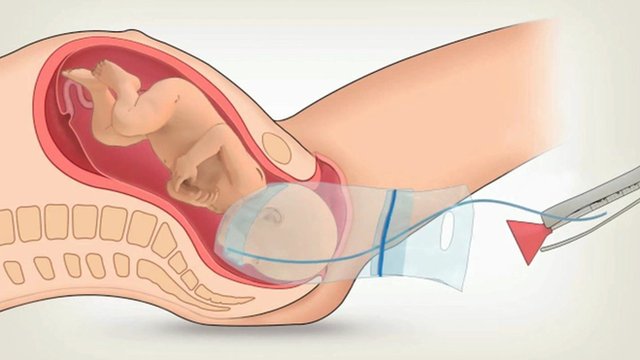
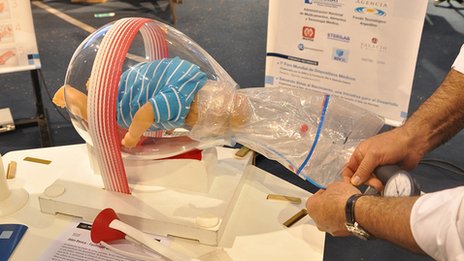
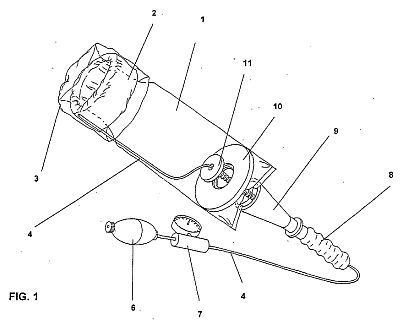
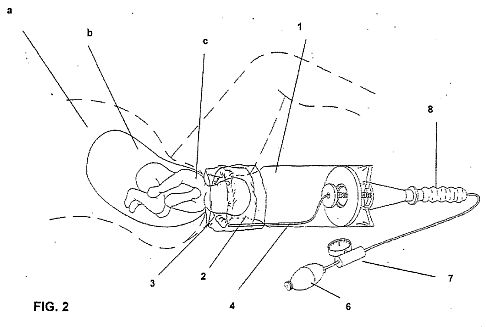
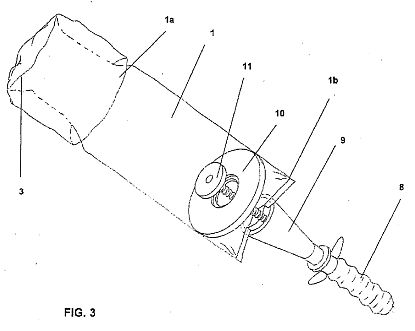
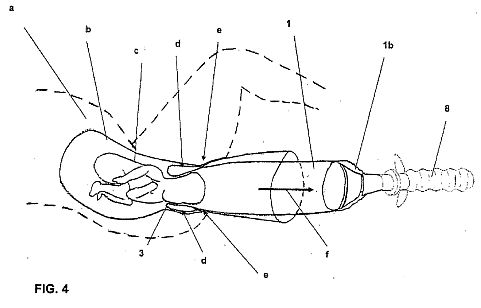
A double-layer plastic bag is inserted over the baby's head through the birth canal. Air is pumped into the bag, inflating a chamber that gently grips the chin without obstructing breathing. The baby can then be pulled out with reduced force, minimizing tissue damage.
Detailed Description
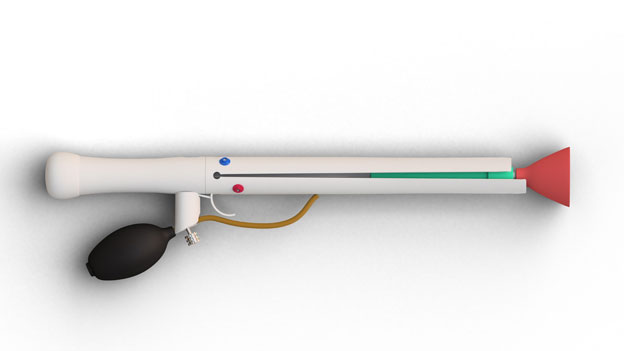
The device originated from a bottle-cork trick. Early prototypes used a glass uterus model with two large bags; later versions employed a single flexible plastic bag that surrounds the head. An inserter instrument was later added to facilitate bag placement. Clinical testing began on a birth simulator at Des Moines University (2008) and progressed to trials on 30 women, with ongoing studies on 100 healthy women in Argentina. Trials report no pain, no episiotomy, and quick delivery. The device is intended to be low-cost, reusable, and usable by midwives without a doctor present, targeting developing-country health systems.
Principles
- Pneumatic inflation
- Mechanical traction
- Biomechanical gripping
Scientific Domains
Materials
- Flexible plastic (e.g., PVC or silicone rubber)
- Double-layer bag construction
- Manual air pump (hand-held)
Mechanisms of Action
- Air pressure inflates a plastic chamber to grip the fetal head
- Gentle traction pulls the baby through the birth canal
- Reduced force limits tissue damage
Energy Sources
Applications
- Assisted vaginal delivery
- Low-cost obstetric tool for developing countries
- Potential use in emergency obstetric care
Claimed Performance
Cheaper and simpler than forceps or ventouse, usable by midwives, no episiotomy required, minimal risk of skull injury, suitable for low-resource settings.
Experimental Evidence
Mannequin testing at Des Moines University (2008) with WHO observation; pilot trials on 30 women showing no pain and no episiotomy; ongoing trial on 100 healthy women in Argentina; plans for trials in Africa, Asia, Europe.
Replication Status
Prototype tested on simulators and in limited human trials; further clinical studies ongoing; not yet commercially released.
Limitations
- Initial difficulty inserting the bag without a dedicated inserter
- Limited clinical data - trials still small and ongoing
- Regulatory approval not yet obtained