Goal
Increase vehicle fuel efficiency and reduce fuel consumption.
Problem
High fuel consumption and energy crisis in automotive transportation.
Concept Summary
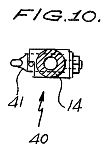
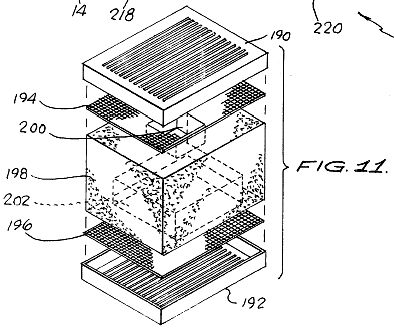
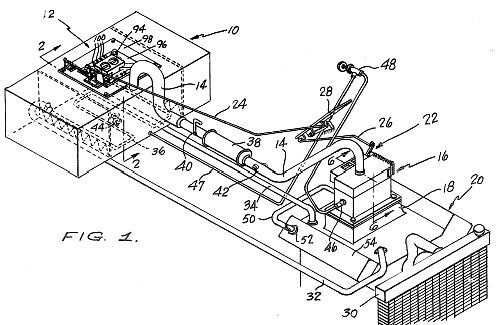
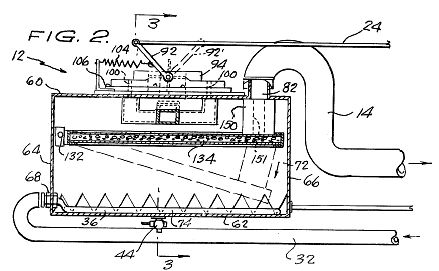
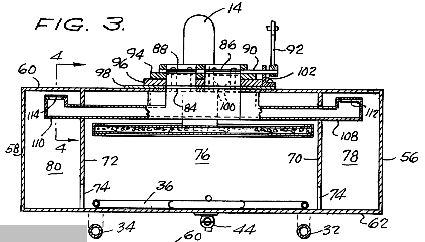
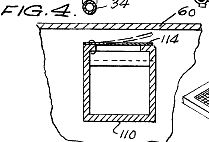
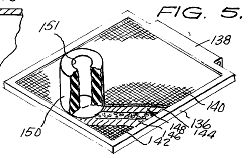
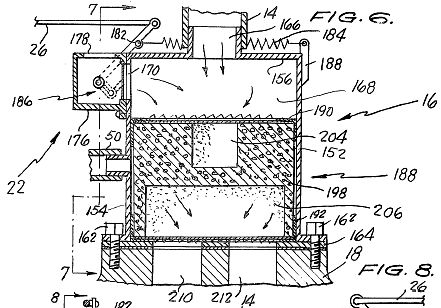
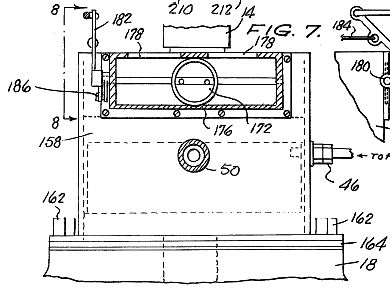
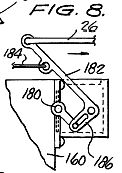
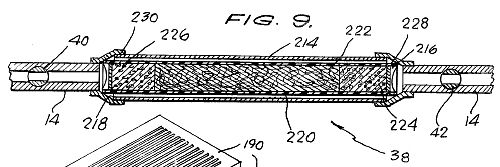
The Ogle Fuel System replaces the carburetor and fuel pump with a pressurized, vapor-fuel system that draws gasoline vapors and air through a series of filters directly into the engine's combustion chambers, storing excess vapors for later use.
Detailed Description
Tom Ogle's system removes the traditional carburetor and installs a network of hoses, filters, and a pressurized fuel tank. Gasoline in the tank is vaporized; the vapors are mixed with air and fed directly into the engine's firing chambers. The filters are claimed to "stretch the energy" of each gallon and to store excess vapors for up to 45 days. Premium gasoline high preferred for higher octane and vapor production. The system allegedly allows a 1970-1979 Ford Galaxy (~=5,000 lb) to travel over 200 mi on less than two gallons of gasoline, achieving >100 mpg under test conditions. The design also claims reduced carbon buildup and cleaner exhaust.
Principles
- Vapor fuel injection
- Pressurized fuel delivery
- Removal of carburetor
- Fuel vapor storage
Scientific Domains
Materials
- Gasoline
- Metal fuel tank
- Hoses
- Filters
- Air
Mechanisms of Action
- Vaporization of gasoline
- Direct injection of fuel vapor into combustion chambers
- Pressurization of fuel tank
- Use of filters to extend fuel energy
Energy Sources
Applications
- Automotive fuel efficiency
- Reduced emissions
Claimed Performance
Over 100 mpg (up to 160 mpg city) with a reported 205 mi on less than two gallons of gasoline.
Experimental Evidence
Multiple eyewitness accounts (reporters, engineers, shop foreman) observed the car being refueled with exactly two gallons, primed, and then driven 200+ mi at ~55 mph without refueling. No hidden fuel tanks were found. The exhaust was described as clean, hot air.
Limitations
- Requires premium gasoline
- Pressurized fuel tanks may be hazardous
- Limited data on long-term durability
- Potential lack of acceleration without carburetor
Red Flags
- Extraordinary fuel-efficiency claims without peer-reviewed data
- No independent replication or certification
- Reliance on anecdotal eyewitness testimony