Goal
Transform sand into fertile, water-retaining soil to combat desertification and reduce agricultural water use.
Problem
Desertification, water scarcity, low-productivity sandy soils.
Concept Summary
Liquid NanoClay is a patented mixture of water and finely disintegrated clay flakes. The mixture is sprayed onto dry sandy ground, where the nanoclay flakes coat individual sand particles via van der Waals forces, creating a sponge-like network that retains water and nutrients and acts as a catalyst for mycorrhizal fungi, dramatically increasing crop yields and cutting irrigation demand.
Principles
- Nanostructuring of clay particles
- Van der Waals binding of clay flakes to sand grains
- Water-retention network formation
- Catalysis of mycorrhizal fungi growth
Scientific Domains
Materials
- Clay
- Water
Mechanisms of Action
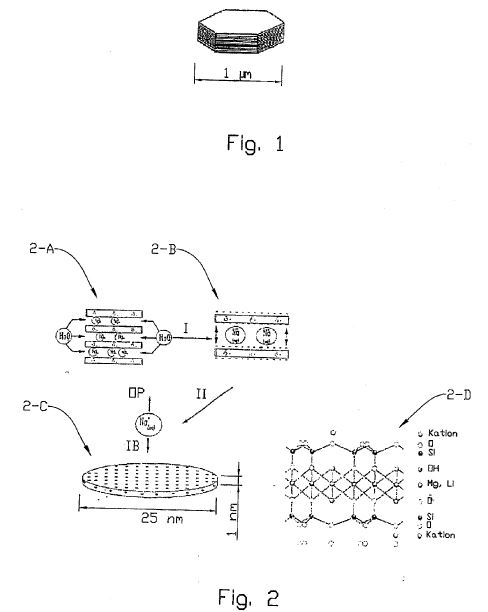
- Disintegration of bulk clay into individual nanoflakes
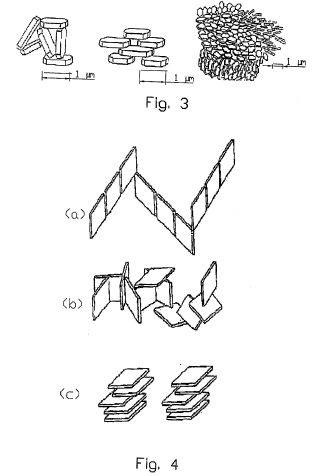
- Coating of sand particles with nanoclay flakes
- Creation of a porous, sponge-like matrix that holds up to 65 % more water
- Facilitation of mycorrhizal fungal colonisation, improving nutrient uptake
Applications
- Desert reclamation
- Improvement of low-quality sandy agricultural land
- Water-conservation in irrigation
Claimed Performance
Yield four times greater than untreated land; water usage reduced by 50-65 %; treatment penetrates 40-60 cm depth in ~7 h; effect lasts up to 5 years; 416 % higher yield reported in field test.
Experimental Evidence
Field tests at the Agricultural Research Centre (ARC) in Ismailia, Egypt showed an additional two months of harvest and a 416 % yield increase compared with untreated plots. Re-tests observed by Dr. Ahmed Yousry Kerdany confirmed the results. Third-party verification is underway at Imperial College London.
Replication Status
Repeated field tests in Egypt confirmed results; third-party verification in progress at Imperial College London.
Limitations
- High clay requirement (~= 10 t per hectare)
- Cost of treatment (~US$4,800 per hectare)
- Need for water to mix and apply the product
Red Flags
- Yield increase claims (416 %) appear unusually high and lack peer-reviewed publication
- Limited independent, peer-reviewed data; most evidence is from company-sponsored field tests