Confidence
0.80
Practicability
0.60
Evidence
0.20
Fringe Score
0.50
Risk
0.20
TRL
4
Goal
Generate alternating current (AC) electricity directly from photovoltaic cells without the need for DC-to-AC inverters.
Problem
Solar panels produce DC power that must be converted to AC for grid use, adding cost, losses, and complexity.
Concept Summary
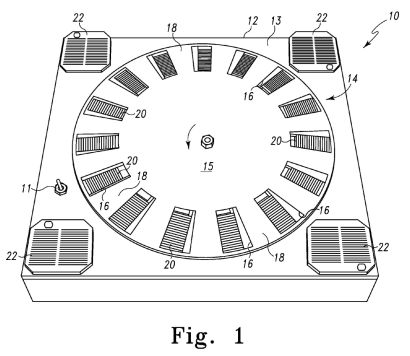
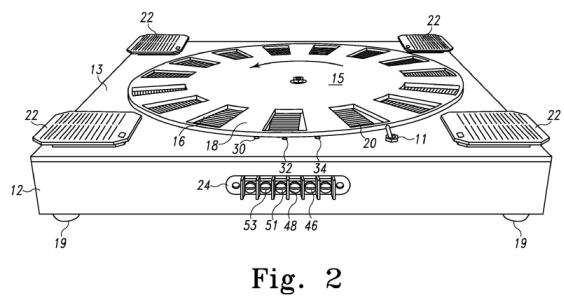
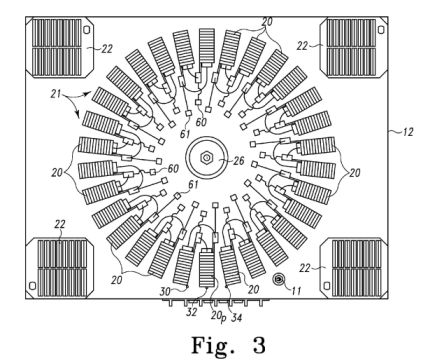
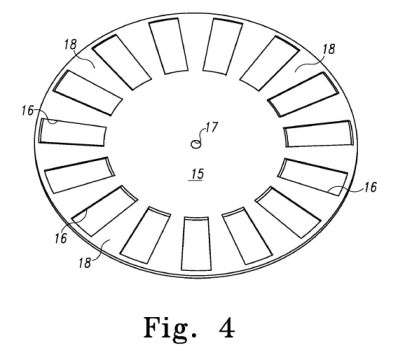
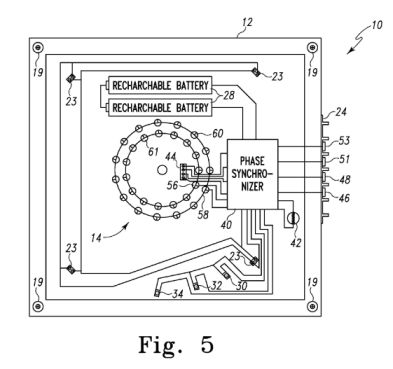
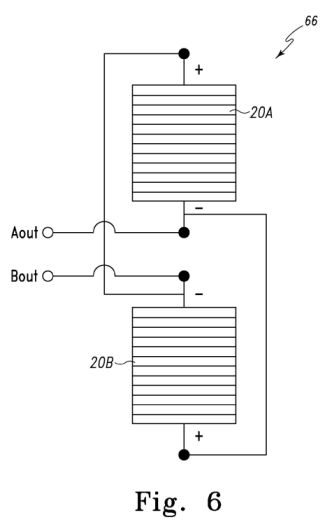
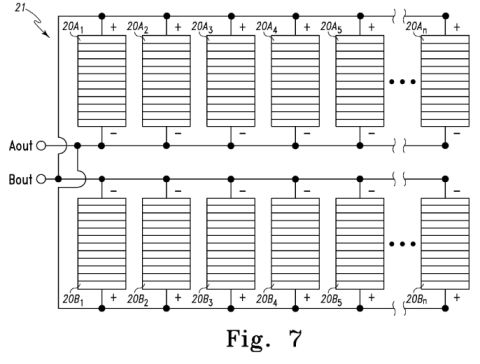
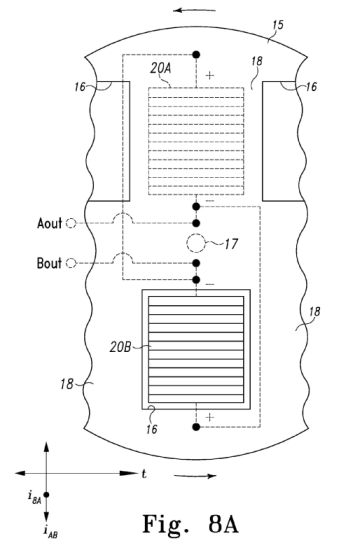
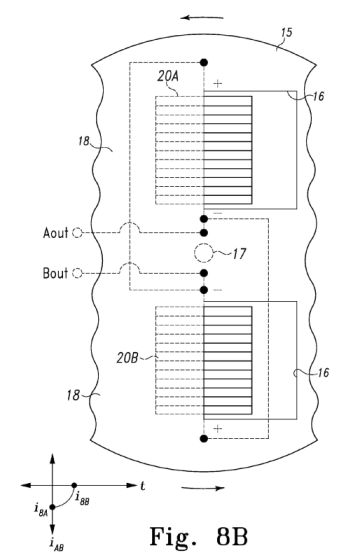
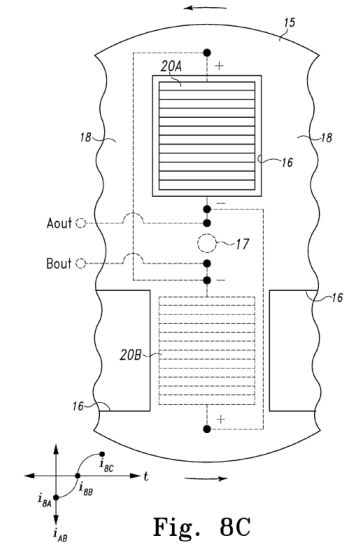
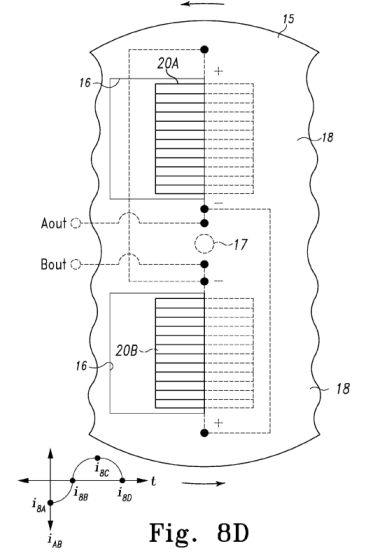
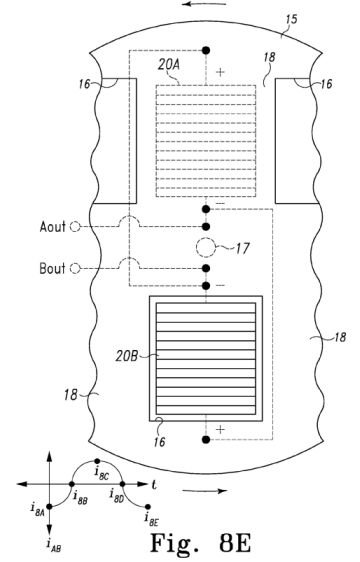
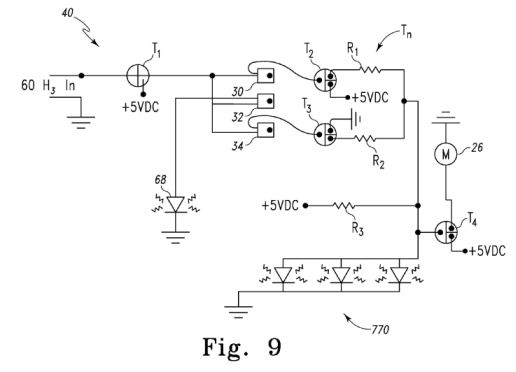
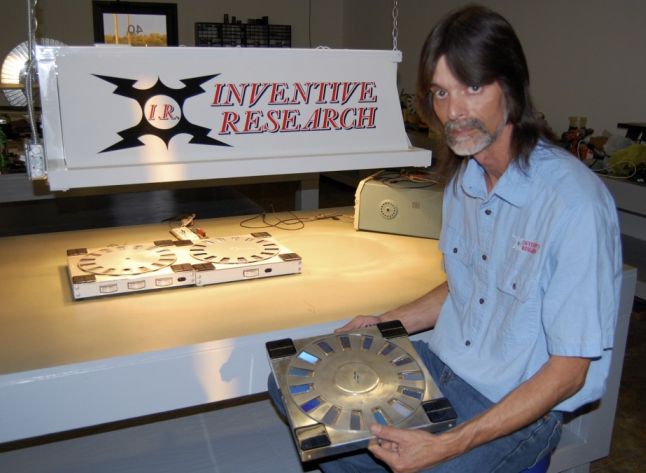
The invention uses pairs of solar cells wired anti-parallel and a rotating segmented disc that alternately shades and exposes each cell in a pair. As one cell is illuminated and the other is shaded, the voltage polarity switches, producing a sinusoidal AC output. The disc is driven by a small DC motor powered by auxiliary solar cells. The system can be scaled to single-phase or three-phase AC and tied directly to the grid.
Principles
- Mechanical shading of photovoltaic cells
- Anti-parallel cell wiring
- Rotating segmented disc to create alternating exposure
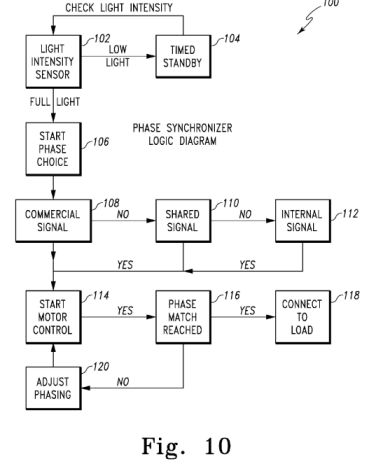
- Phase synchronization via motor control
Scientific Domains
Materials
- Silicon photovoltaic cells
- Rotating disc (metal or plastic)
- DC electric motor
- Wiring and connectors
Mechanisms of Action
- Gradual and alternating exposure/shading of anti-parallel solar cells
- Rotating disc driven by DC motor
- Resulting sinusoidal voltage from polarity reversal
Energy Sources
Applications
- Grid-tie solar power generation
- Residential and commercial renewable energy
- Remote or off-grid power supply
Limitations
- Mechanical moving parts (wear, maintenance)
- Efficiency depends on shading speed and cell matching
- Requires sunlight; performance drops in low-light conditions
- No quantitative performance data provided
Red Flags
- Claims of "free energy" without supporting data
- Lack of experimental results or peer-reviewed validation
- Potential overstating of scalability and cost benefits