Goal
Restore normal cellular oxidation by increasing blood oxygen saturation and removing blocking agents, thereby preventing and treating malignant, viral, bacterial, and allergic diseases.
Problem
Blocked oxidation (hypoxemia) caused by oxygen deficiency or toxic substances, which the author links to cancer, infections and allergic conditions.
Concept Summary
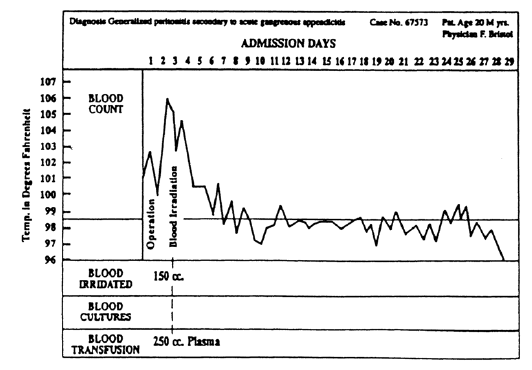
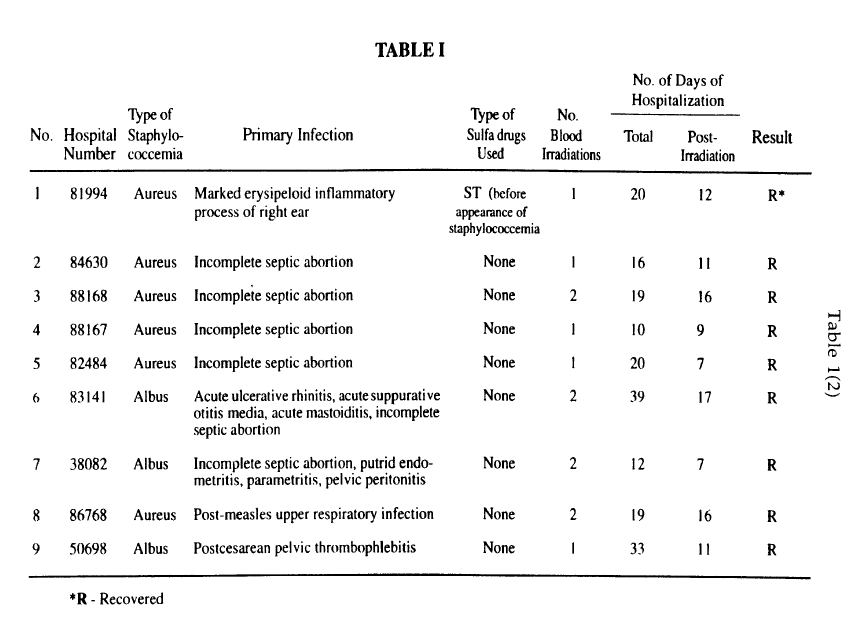
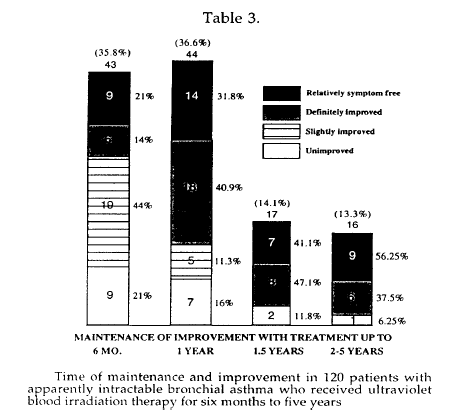
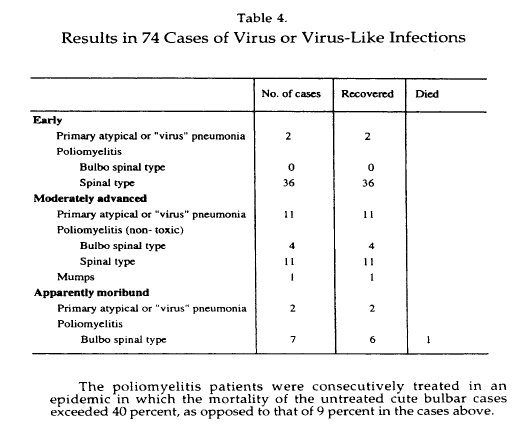
Intravenous ultraviolet (UV) blood irradiation (UBI) is performed by withdrawing a small volume of citrated blood, exposing it to a defined band of UV light in the Knott-Hemo Irradiator, and returning it to the patient. The therapy is combined with an oxidation catalyst (Koch Glyoxylide), trace-mineral supplementation, a raw-vegetable diet, and colonic irrigation. The author reports rapid normalization of blood oxygen saturation and regression of tumors in a series of case reports.
Principles
- Ultraviolet photobiology
- Oxidation catalysis
- Trace-mineral supplementation
Scientific Domains
Materials
- Blood (patient's own)
- Koch Glyoxylide (chemical catalyst)
- Zinc (chelated)
- Magnesium (chelated)
- Vitamin C
- Vitamin E
- Vitamin B6
Mechanisms of Action
- UV exposure of blood alters hemoglobin/oxygen affinity, raising venous oxygen saturation.
- Koch Glyoxylide acts as an oxidation catalyst to restore cellular respiration.
- Trace minerals (Zn, Mg) support enzymatic oxidation pathways.
Energy Sources
Applications
- Cancer treatment
- Infection control
- Correction of hypoxemia before surgery
Claimed Performance
Blood oxygen saturation restored to normal or near-normal levels; tumor regression observed within weeks in several case reports.
Experimental Evidence
Five individual patient case reports (1968-1969) showing tumor shrinkage and symptom improvement after UBI; a separate study of 23 patients showing increased venous oxygen saturation after a single UV treatment.
Replication Status
No independent replication; evidence limited to the author's clinical observations.
Limitations
- Lack of controlled, peer-reviewed studies
- Potential UV-induced damage to blood cells
- Unclear biochemical mechanism
Red Flags
- Claims of curing cancer based on anecdotal case reports
- No independent verification or regulatory approval
- Potential for misuse as a "free-energy" or "miracle cure" claim