Goal
Utilise ambient Orgone energy to power a small AC motor.
Problem
Absence of a practical method to harvest free atmospheric energy for mechanical work.
Concept Summary
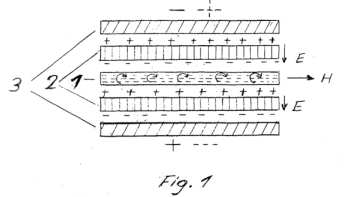
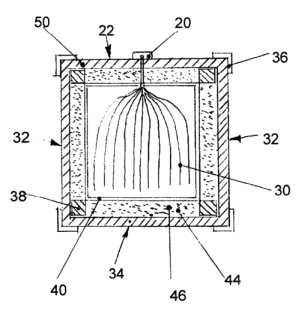
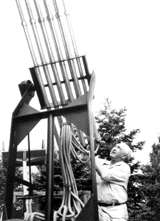
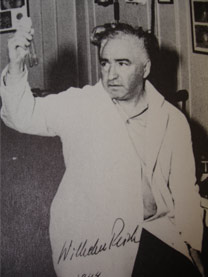
Reich claimed that by evacuating specially made Vacor tubes to extreme vacuum and charging them with Orgone energy, a modified Geiger-Muller counter could generate pulses that directly drive a small Western Electric AC motor. The motor's speed and direction were reported to vary with atmospheric conditions, human proximity, and an undefined "Y factor".
Principles
- Orgone energy extraction
- Vacuum-evacuated Vacor tubes
- Modified Geiger-Muller counter as pulse generator
- Interaction with human biofield (Y factor)
- Atmospheric energy influence
Scientific Domains
Materials
- Vacor tubes (glass, evacuated to 0.5 um)
- Western Electric KS-9154 AC motor
- Accumulator (electrical storage)
- Transformer (low-voltage)
Mechanisms of Action
- Charging Vacor tubes with Orgone energy produces high-pulse rates on a GM counter
- Pulse output drives a small AC motor (KS-9154)
- Human biofield and weather conditions modulate pulse characteristics
Energy Sources
Applications
- Free-energy generation
- Atmospheric energy harvesting
- Novel motor designs
Claimed Performance
Motor runs continuously, can reverse direction spontaneously, and changes speed with weather, humidity, and a person's hand near it.
Experimental Evidence
Anecdotal witness statements describing operation, weather dependence, and speed modulation by human proximity; no quantitative data or peer-reviewed studies provided.
Replication Status
No independent replication reported; only workshop observations and historical accounts.
Limitations
- Lack of quantitative measurements
- Undefined Y factor
- No peer-reviewed validation
- Reliance on anecdotal reports
Red Flags
- Claims are not supported by independent experimental data
- Concept relies on pseudoscientific terminology (Orgone, Y factor)
- No documented replication by third parties