Confidence
0.60
Practicability
0.50
Evidence
0.30
Fringe Score
0.90
Risk
0.20
TRL
3
Goal
Provide a simple, low-energy method for water purification and desalination.
Problem
High energy consumption and cost of conventional desalination (distillation, reverse osmosis).
Concept Summary
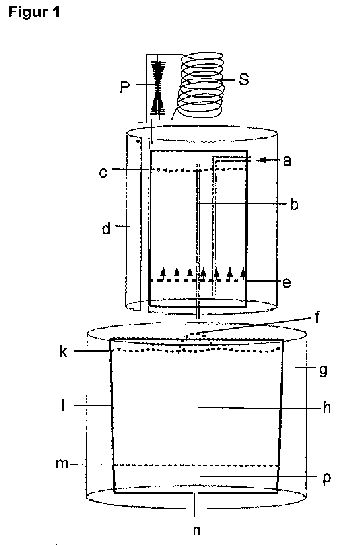
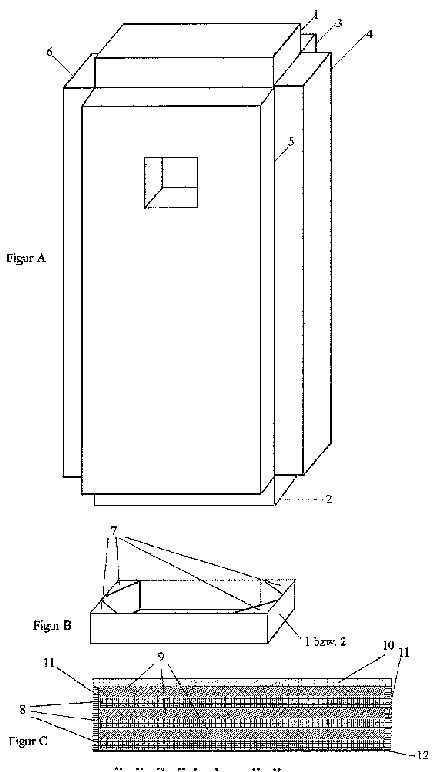
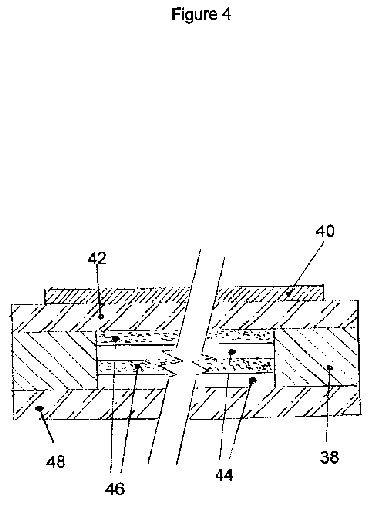
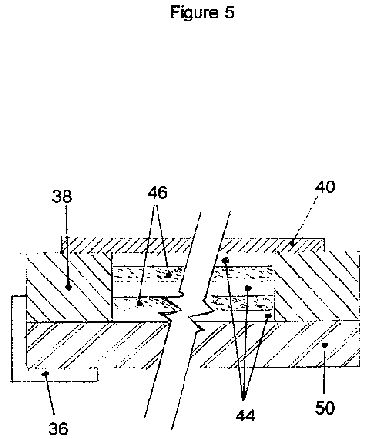
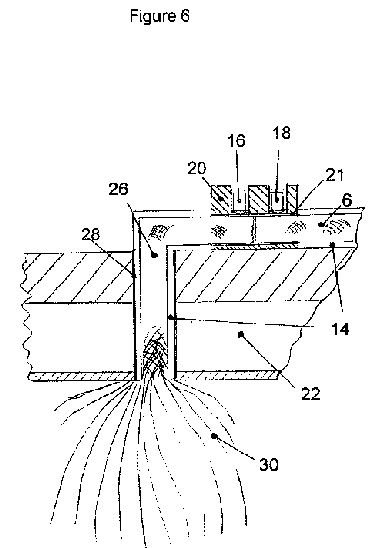
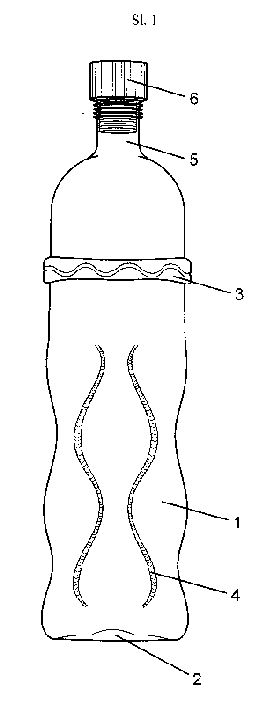
A baked clay material doped with gold (and optionally other metals) is treated with an orgone emitter and used as a filtration medium. Water passes through the granulated clay, optionally followed by porous/fibrous layers, to remove salts and contaminants, achieving desalination with minimal energy input.
Principles
- Orgone energy imprinting
- Metal (gold) doping of clay
- High-temperature sintering
- Adsorptive filtration
- Desalination via ion removal
Scientific Domains
Materials
- clay
- gold dust
- iron
- silver
- platinum
- titanium
- sand
- glass fibers
- textile fibers
Mechanisms of Action
- Adsorption of dissolved ions onto gold-infused clay surfaces
- Catalytic activity of gold particles
- Energy/information transfer from orgone emitter to material structure
Applications
- Water treatment
- Desalination of seawater
- Waste-water softening
Claimed Performance
Simple, energy-saving, environmentally friendly water purification; capable of desalinating seawater; inexpensive to produce.
Experimental Evidence
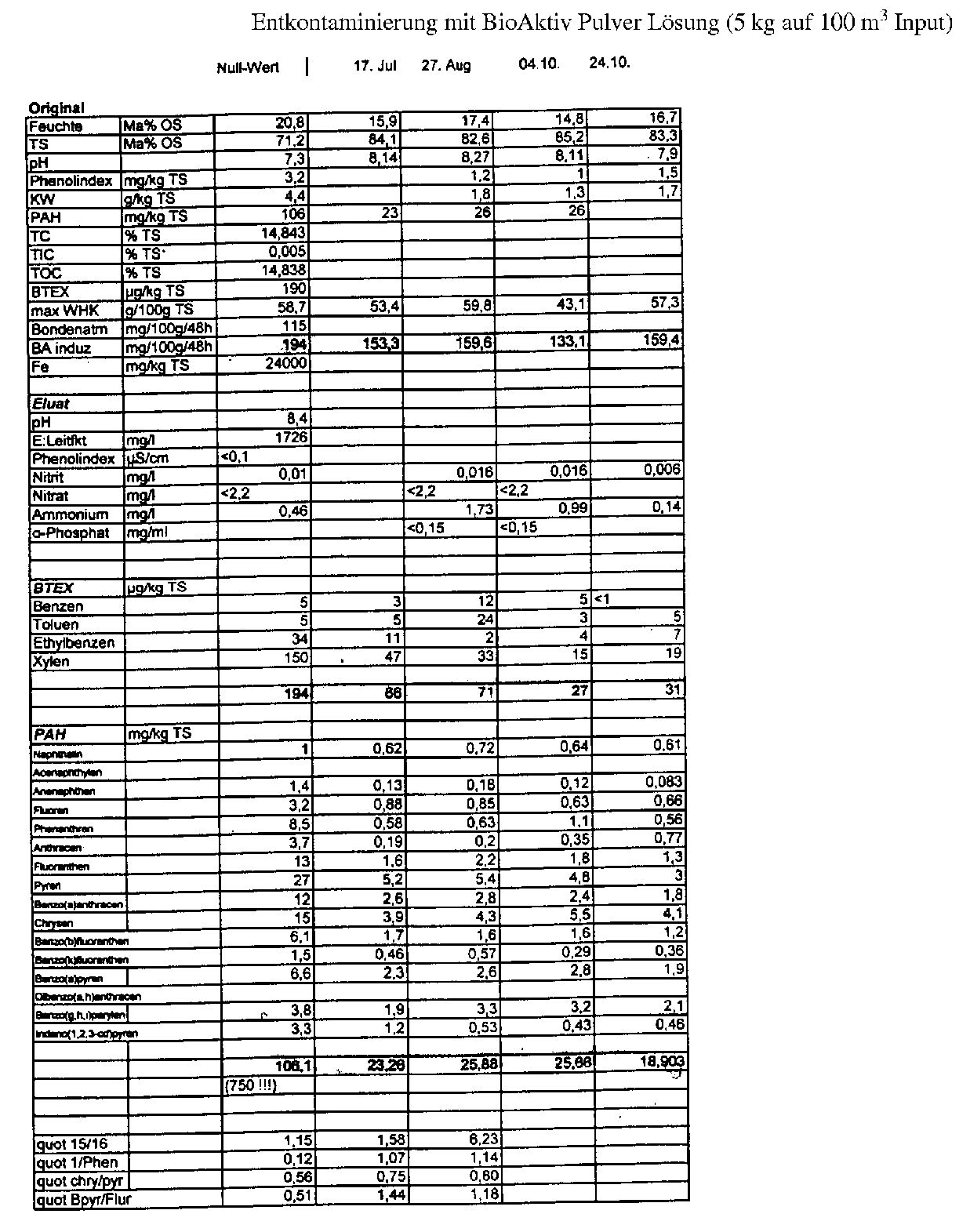
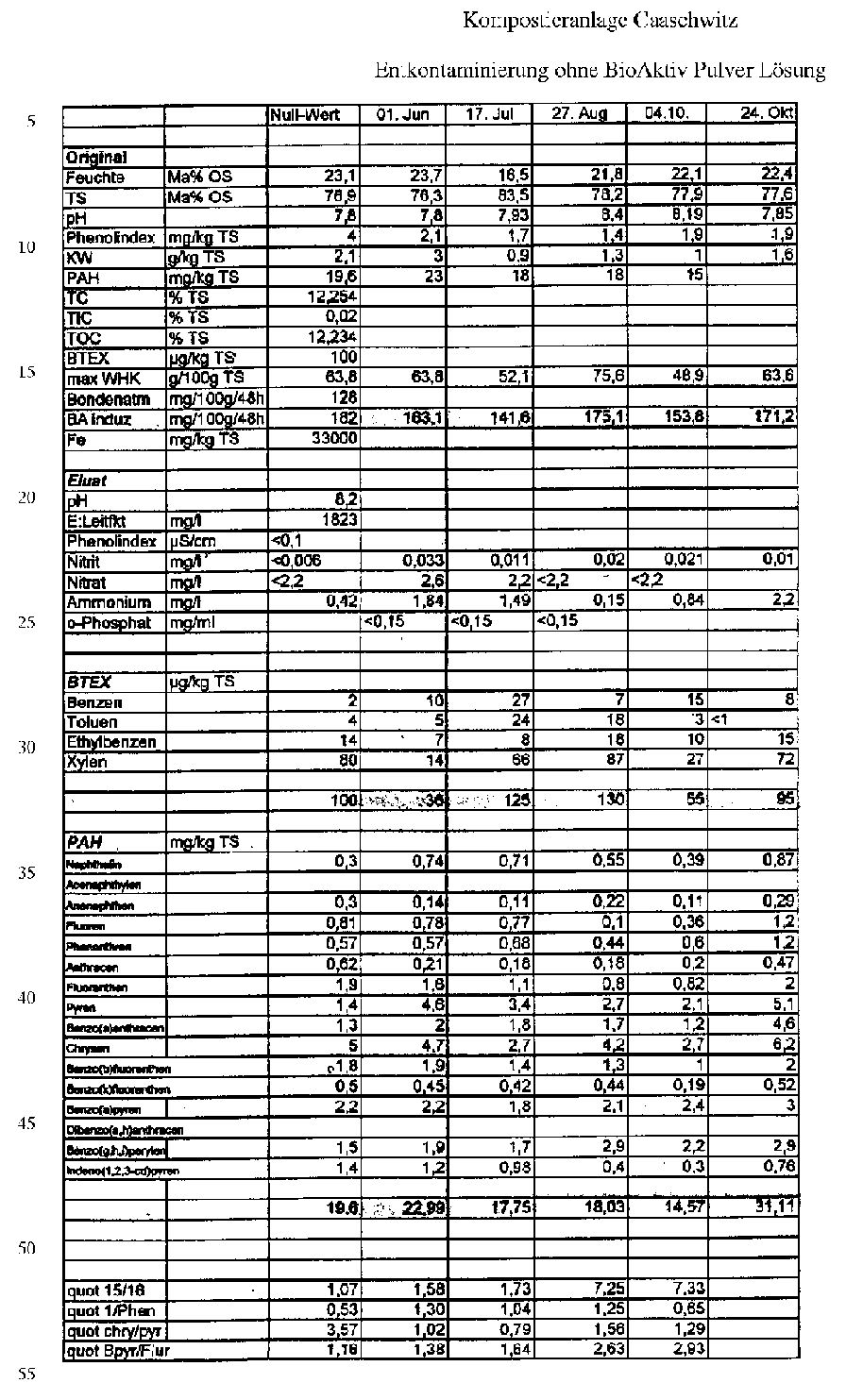
The patent description provides qualitative statements and example compositions but no quantitative performance data or independent testing results.
Limitations
- No quantitative performance data provided
- Reliance on the scientifically unsupported orgone concept
- Scalability and durability of the material not demonstrated
Red Flags
- Orgone claims lack peer-reviewed scientific validation
- No independent replication or third-party testing reported