Goal
To produce stable, non-metallic monoatomic forms of transition and noble metals with unique electronic, magnetic and chemical properties.
Problem
Difficulty in separating, stabilizing and utilizing monoatomic forms of transition metals; conventional metal salts form clusters that are hard to reduce to pure metal.
Concept Summary
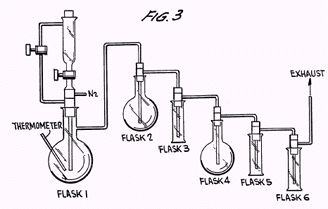
The invention describes a chemical process that converts metallic gold (and other transition metals) into orbitally rearranged monoatomic elements (ORMEs) by repeated evaporation with NaCl, formation of sodium-gold compounds, aqueous dissolution, pH adjustment, reduction, and annealing. The resulting G-ORME exhibits an electron orbital rearrangement that creates a d-orbital hole, leading to strong inter-atomic repulsive magnetic forces and unusual thermal and chemical stability.
Principles
- Electron orbital rearrangement (d-s orbital transitions)
- Magnetic repulsion between monoatomic particles
- Chemical reduction and oxidation rearrangement
- Annealing to stabilize monoatomic structure
Scientific Domains
Materials
- Gold (Au)
- Silver (Ag)
- Copper (Cu)
- Cobalt (Co)
- Nickel (Ni)
- Platinum group metals (Pt, Pd, Rh, Ir, Ru, Os)
- Sodium chloride (NaCl)
- Aqua regia (HCl/HNO_3)
- Hydrochloric acid (HCl)
- Water (H_2O)
- Carbon (C)
- Nitric oxide (NO)
Mechanisms of Action
- Formation of NaAuCl3 salts and subsequent reduction to sodium auride
- Aquation and neutral-pH dissolution to release monoatomic gold
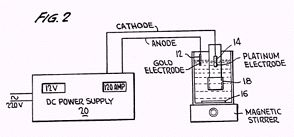
- Application of large negative electrochemical potential in presence of electron-donating carbon or NO gas to reconvert ORME to metallic form
- External magnetic field to influence electron pairing
Energy Sources
Applications
- Advanced magnetic materials
- Catalysis
- Electronics
- Potential energy storage
Claimed Performance
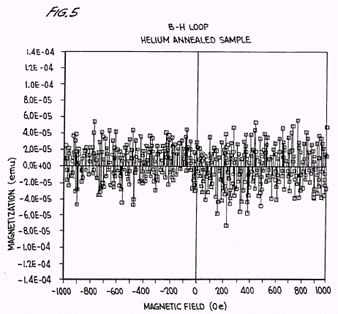
Stable up to 1200 deg C, non-reactive with cyanide, does not wet or amalgamate with mercury, exhibits strong inter-atomic repulsive magnetic forces, requires a reduction potential more negative than -2.45 V.
Experimental Evidence
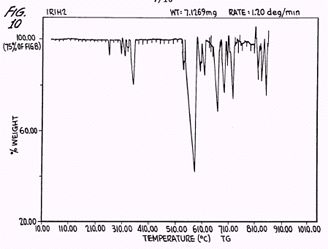
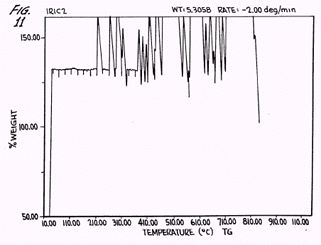
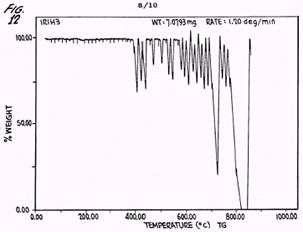
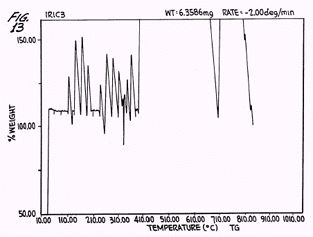
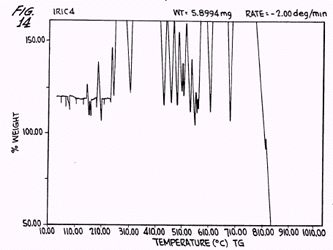
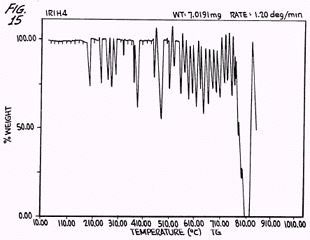
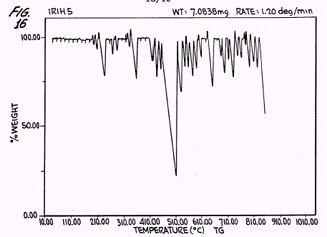
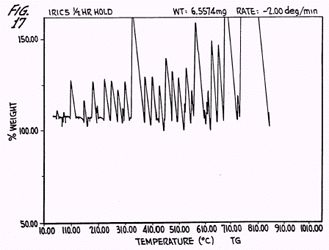
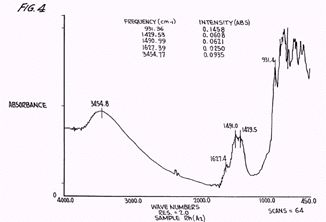
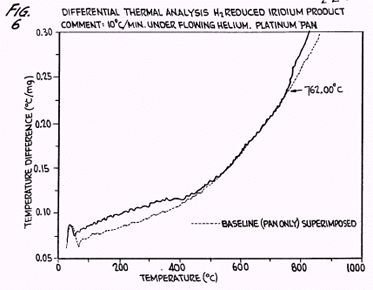
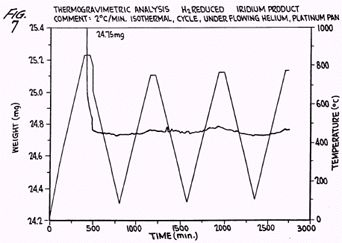
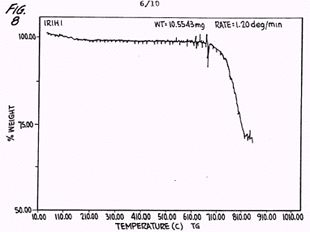
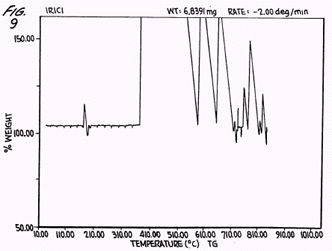
Thermal stability observed as a powder at 1200 deg C; infrared analysis identified electron pairing; chemical tests showed non-reaction with cyanide and resistance to aqua regia.
Limitations
- Lack of peer-reviewed data
- Unclear scalability of the multi-step chemical process
- Requirement of large negative potentials not achievable with standard aqueous chemistry
- Ambiguous identification methods for monoatomic species
Red Flags
- Extraordinary claims of new electron orbital states without mainstream validation
- No independent replication or peer-reviewed publications cited
- Use of vague terminology (e.g., "orbitally rearranged", "d orbital hole")