Goal
To achieve powered flight using flapping-wing mechanisms inspired by bird anatomy.
Problem
Difficulty in replicating bird wing mechanics, generating sufficient thrust and lift, and controlling flapping-wing aircraft at small scales.
Concept Summary
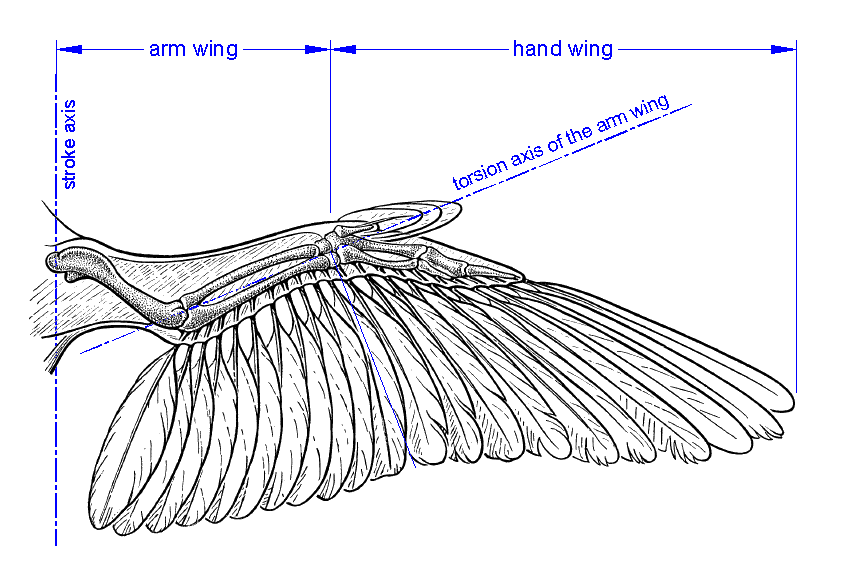
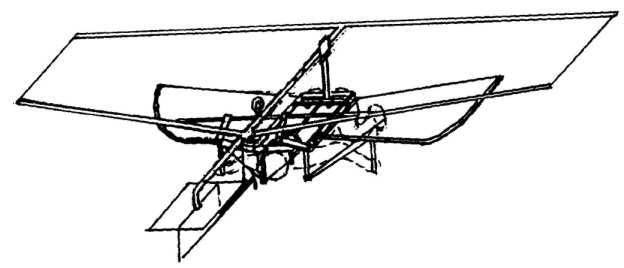
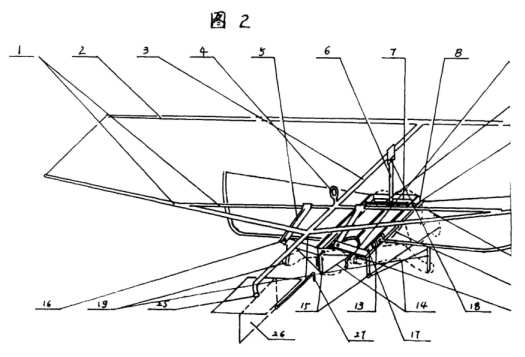
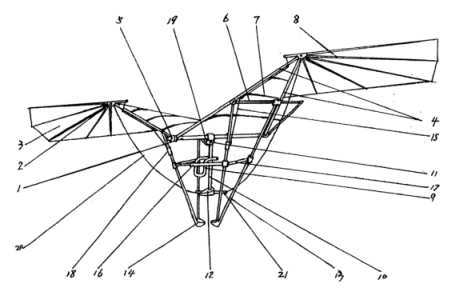
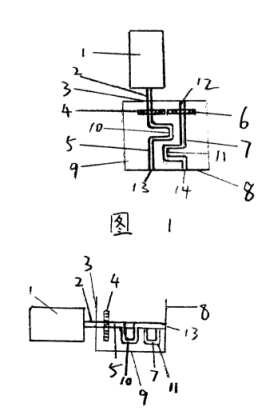
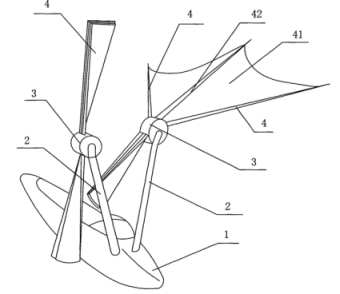
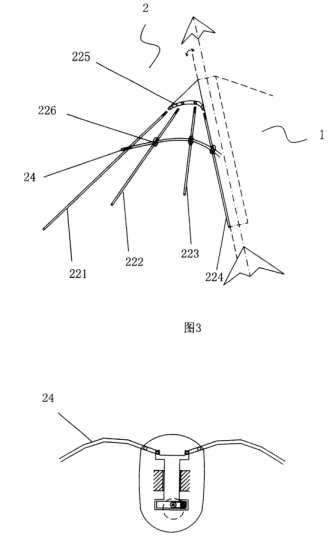
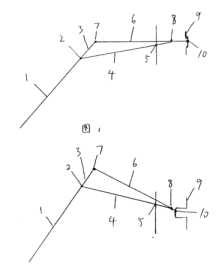
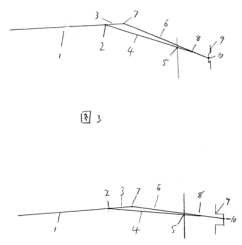
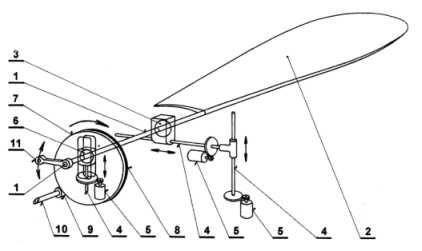
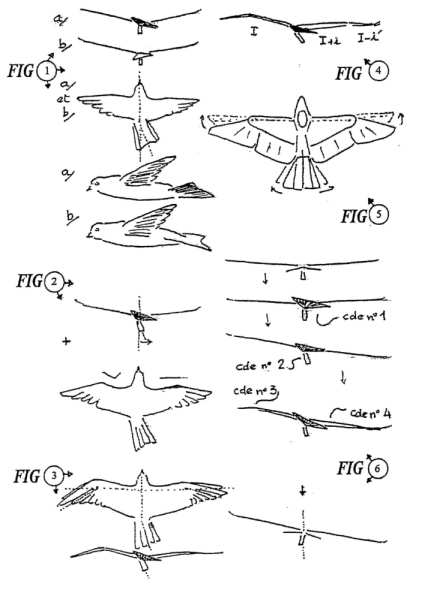
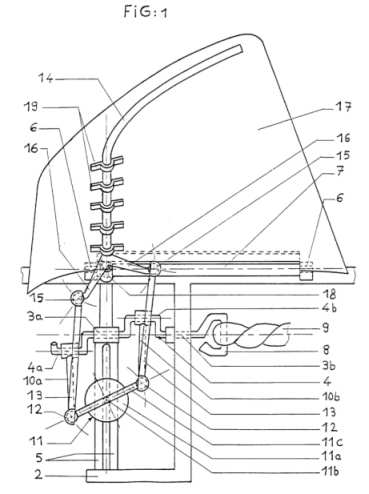
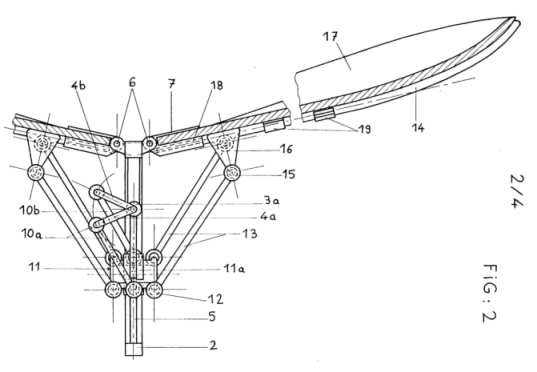
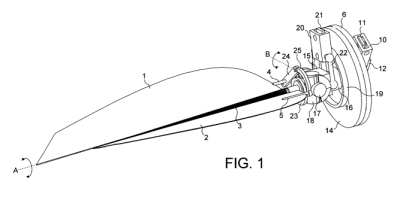
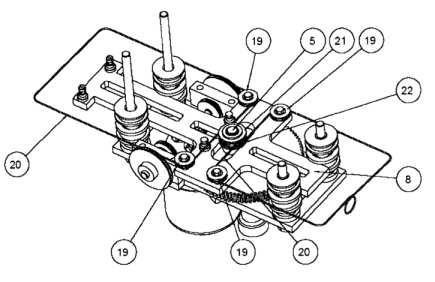
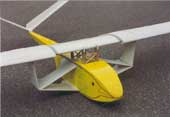
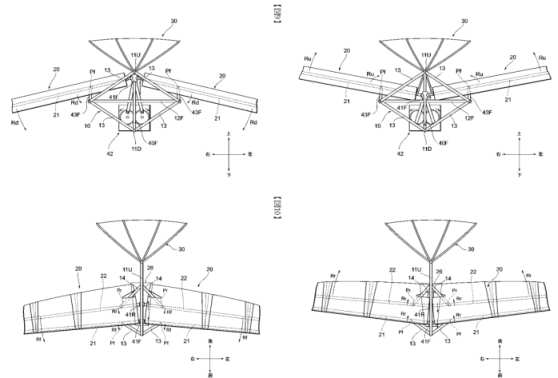
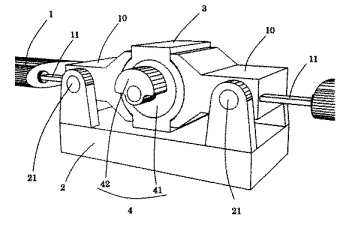
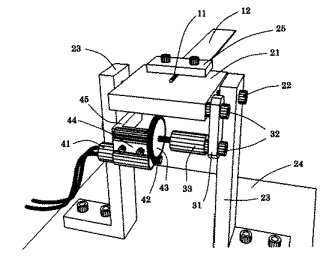
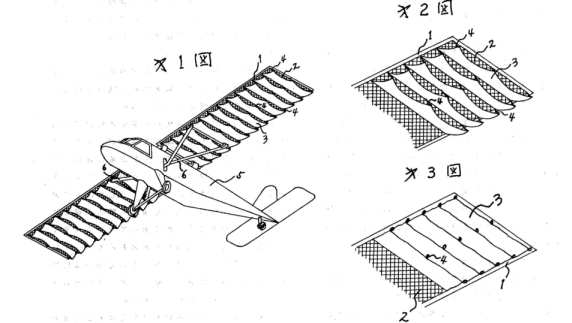
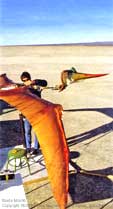
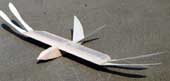
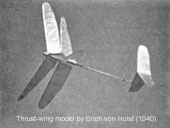
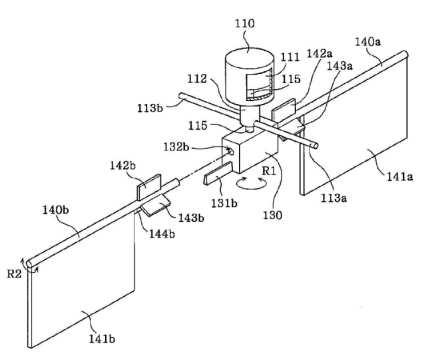
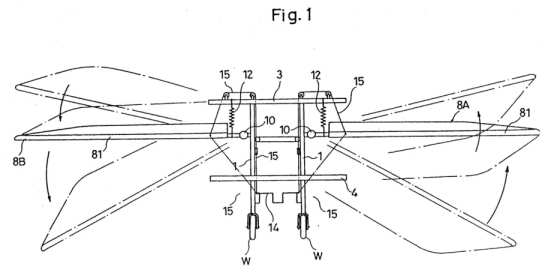
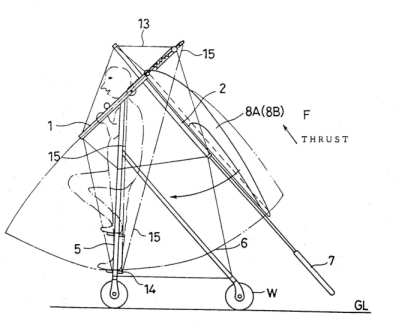
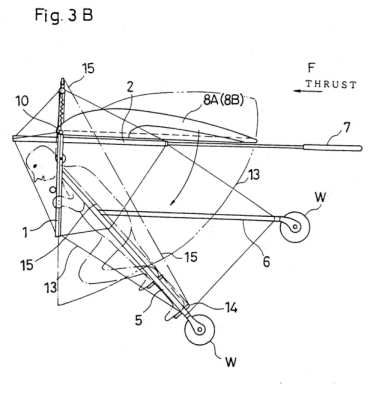
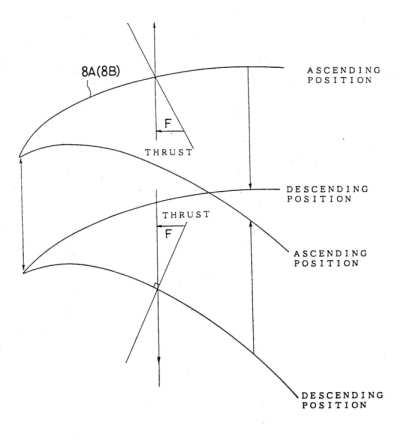
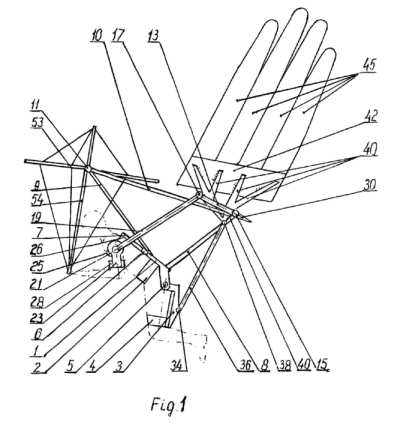
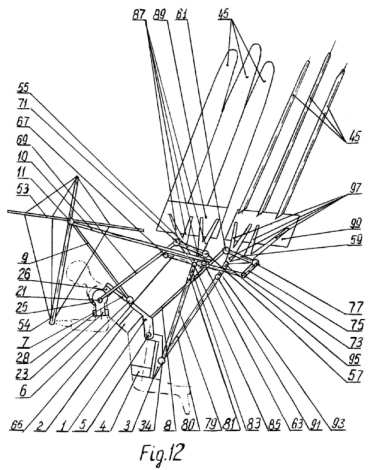
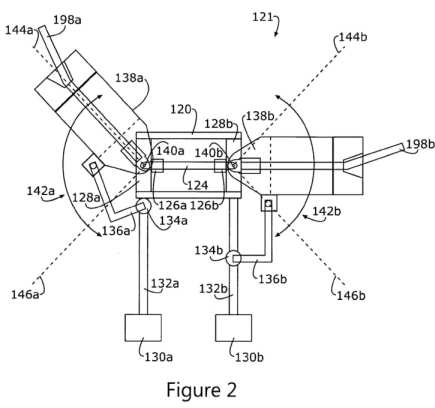
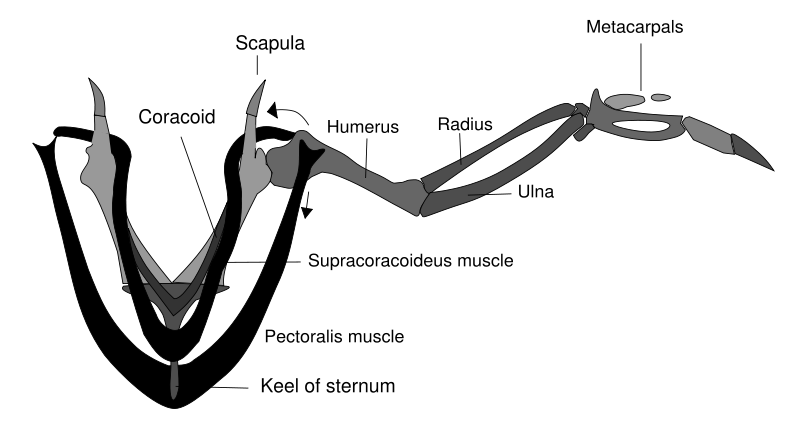
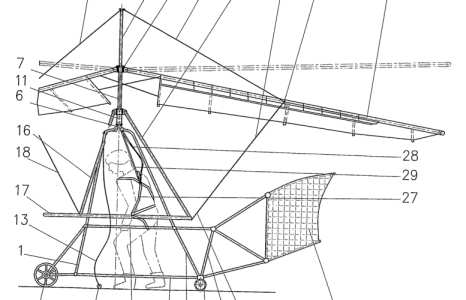
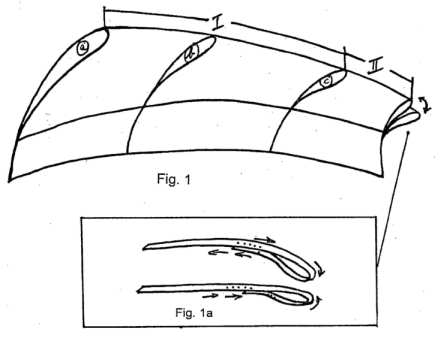
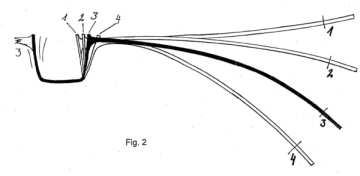
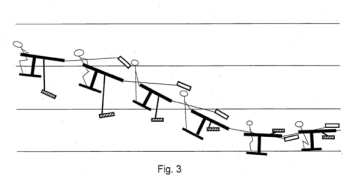
The article surveys a wide range of ornithopter designs, from simple rubber-powered membrane wings to more sophisticated aeroelastic spar-twisting and thrust-wing concepts. It describes how different structural elements (battens, spars, elastic threads, rubber drives, springs) are used to produce flapping motion, wing twist, and thrust, and it highlights historical examples that have been built and flown.
Principles
- Flapping wing aerodynamics
- Aeroelastic wing twist
- Membrane tension and battens for camber control
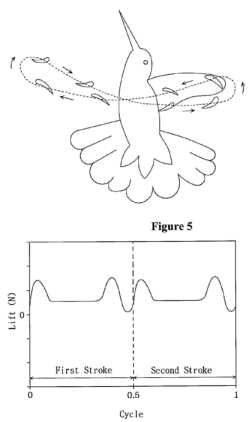
- Thrust generation by asymmetric stroke
- Elastic energy storage (rubber, springs)
Scientific Domains
Materials
- Flexible membrane (fabric, paper)
- Battens (thin wood, plastic, carbon fiber)
- Rubber bands
- Elastic thread / string
- Metal spars
Mechanisms of Action
- Reciprocating flapping motion
- Active spar rotation for wing twist
- Passive aeroelastic torsion of spars
- Battens shaping airfoil camber
- Oscillating wing thrust via eccentric mass
Energy Sources
Applications
- Hobbyist model aircraft
- Research platforms for bio-inspired flight
- Small-scale aerial inspection
- Educational demonstrations of flight mechanics
Claimed Performance
Several historic models (e.g., a 15 cm wingspan rubber-driven ornithopter weighing 0.6 g) are reported to achieve stable, "amazingly good" flight performance; other designs are noted for remarkable climb power and efficient thrust generation.
Experimental Evidence
The article references multiple built prototypes that have been flown, such as the rubber-driven 15 cm wing model, the mass-produced Tim Bird membrane wing, and the Cenek Chalupsky 1934 ornithopter which flew steadily without a tail unit.
Replication Status
Many of the described designs have been built and flown historically; several are still available as hobbyist kits or have been reproduced by modern makers.
Limitations
- Limited lift and thrust at larger scales
- Complexity of wing-twist control
- Scaling issues due to Reynolds number differences
- Dependence on simple energy sources (rubber, springs)