Goal
Liberate a vehicle from the force of gravity and inertia
Problem
Gravity and inertia limiting space travel and vehicle performance
Concept Summary
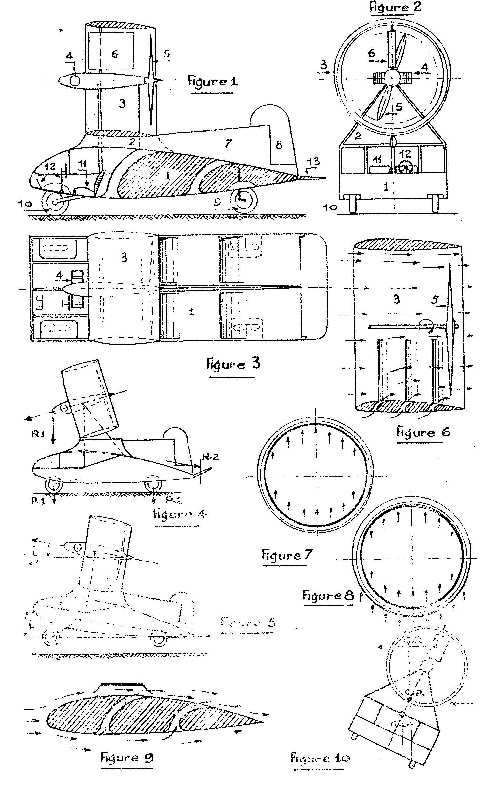
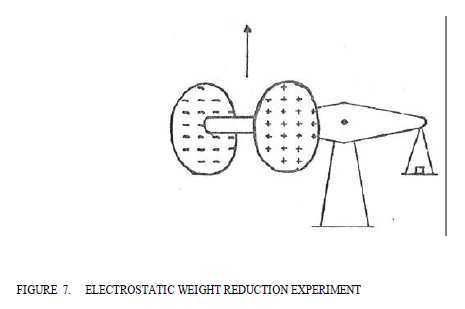
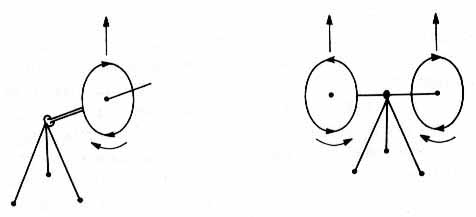
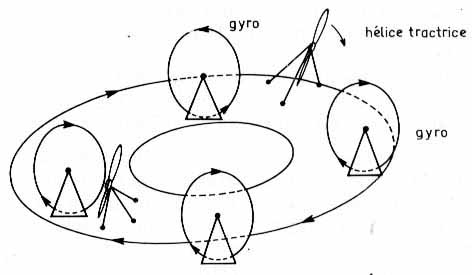
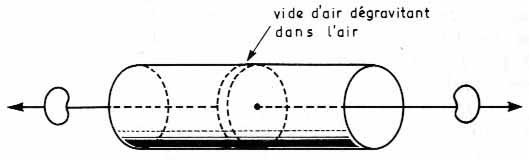
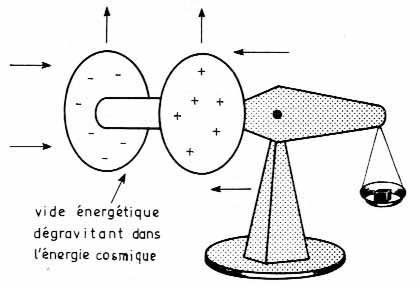
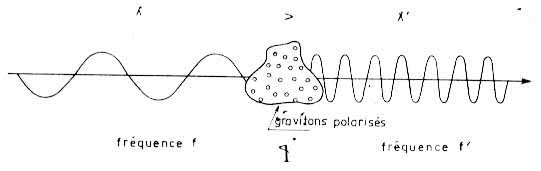
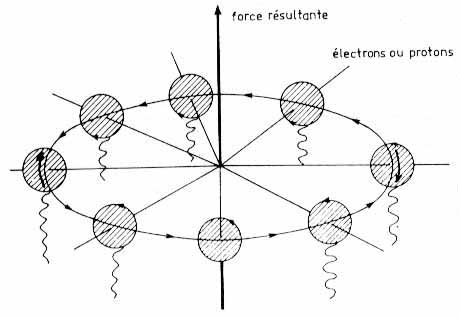
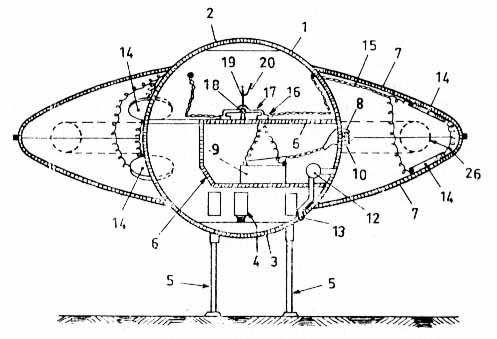
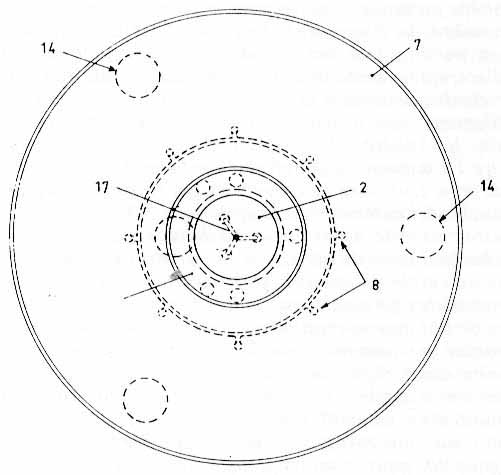
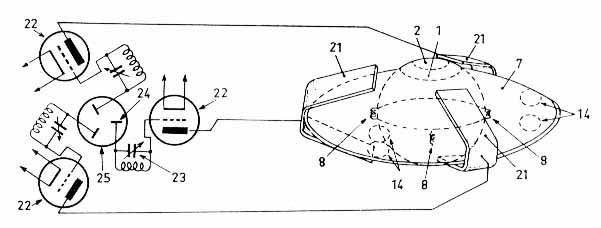
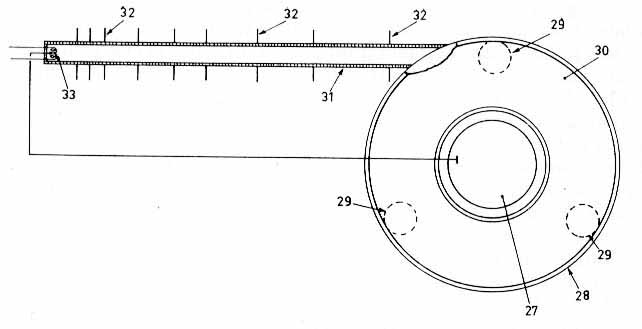
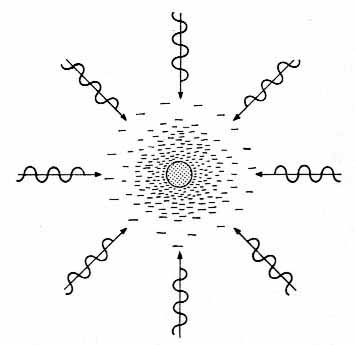
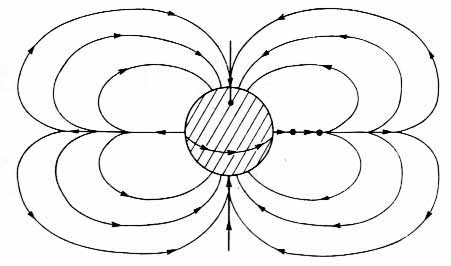
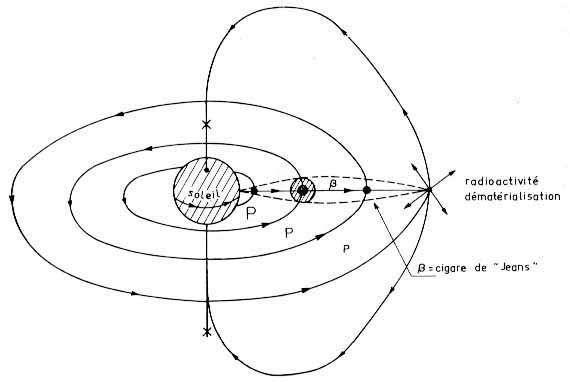
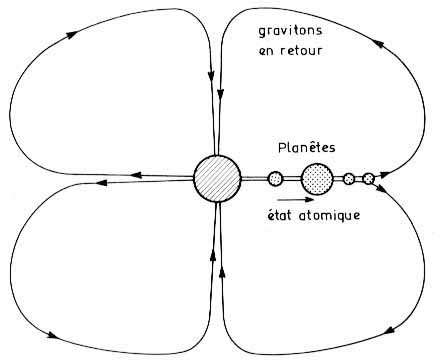
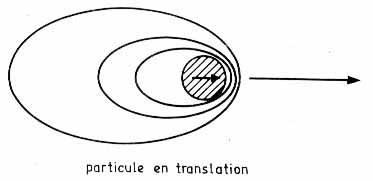
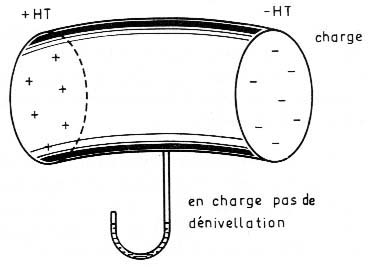
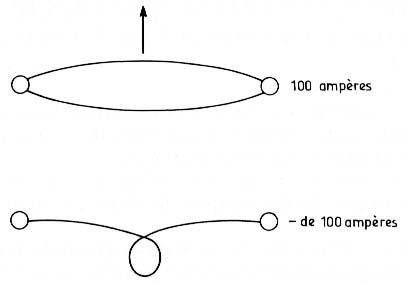
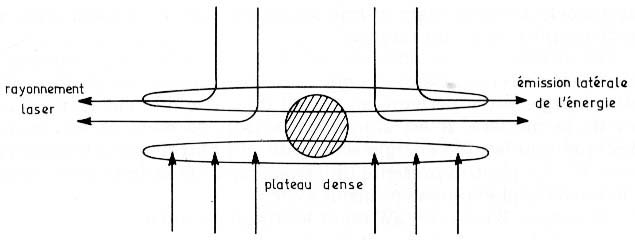
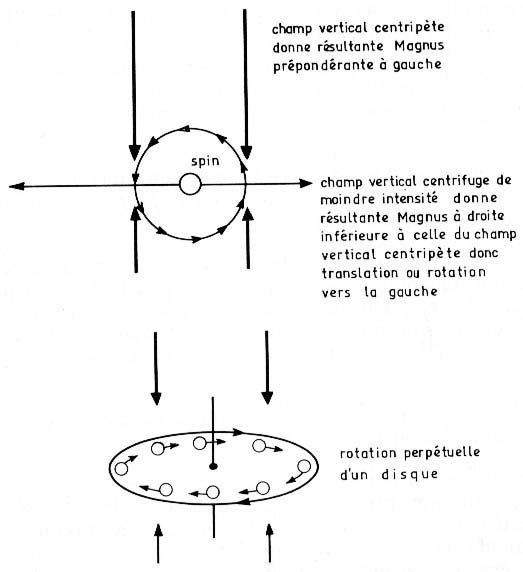
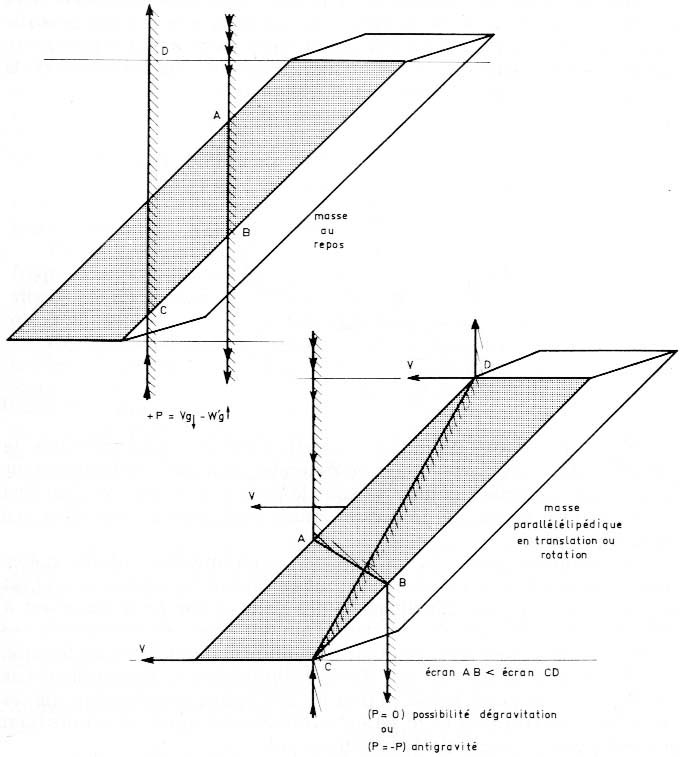
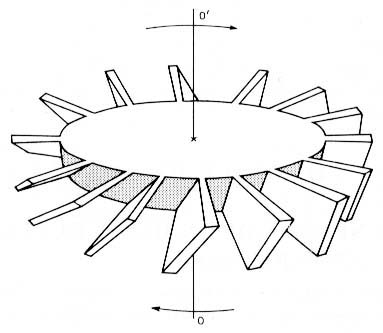
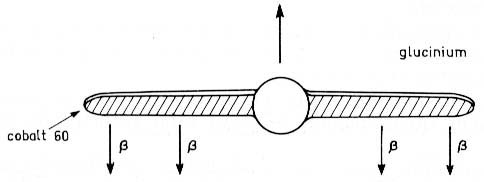
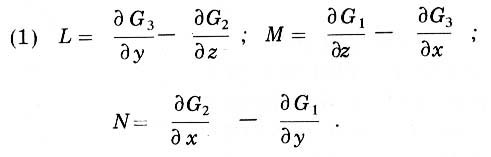
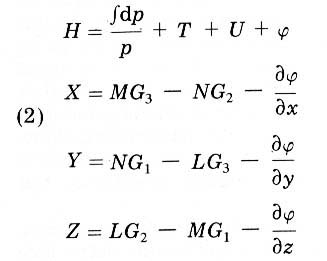
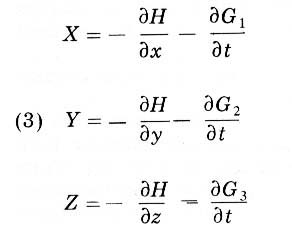
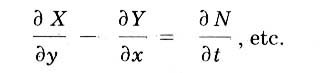
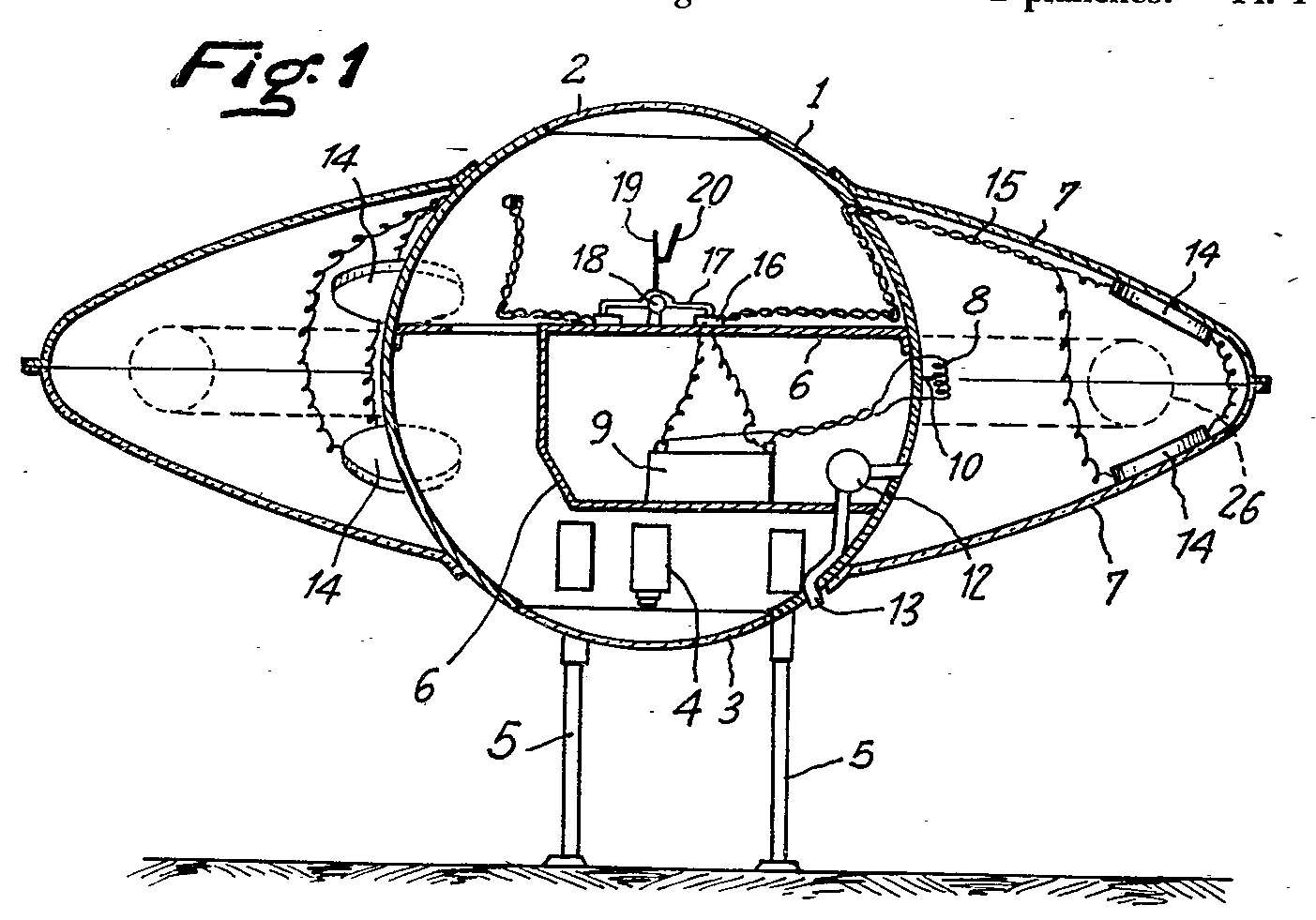
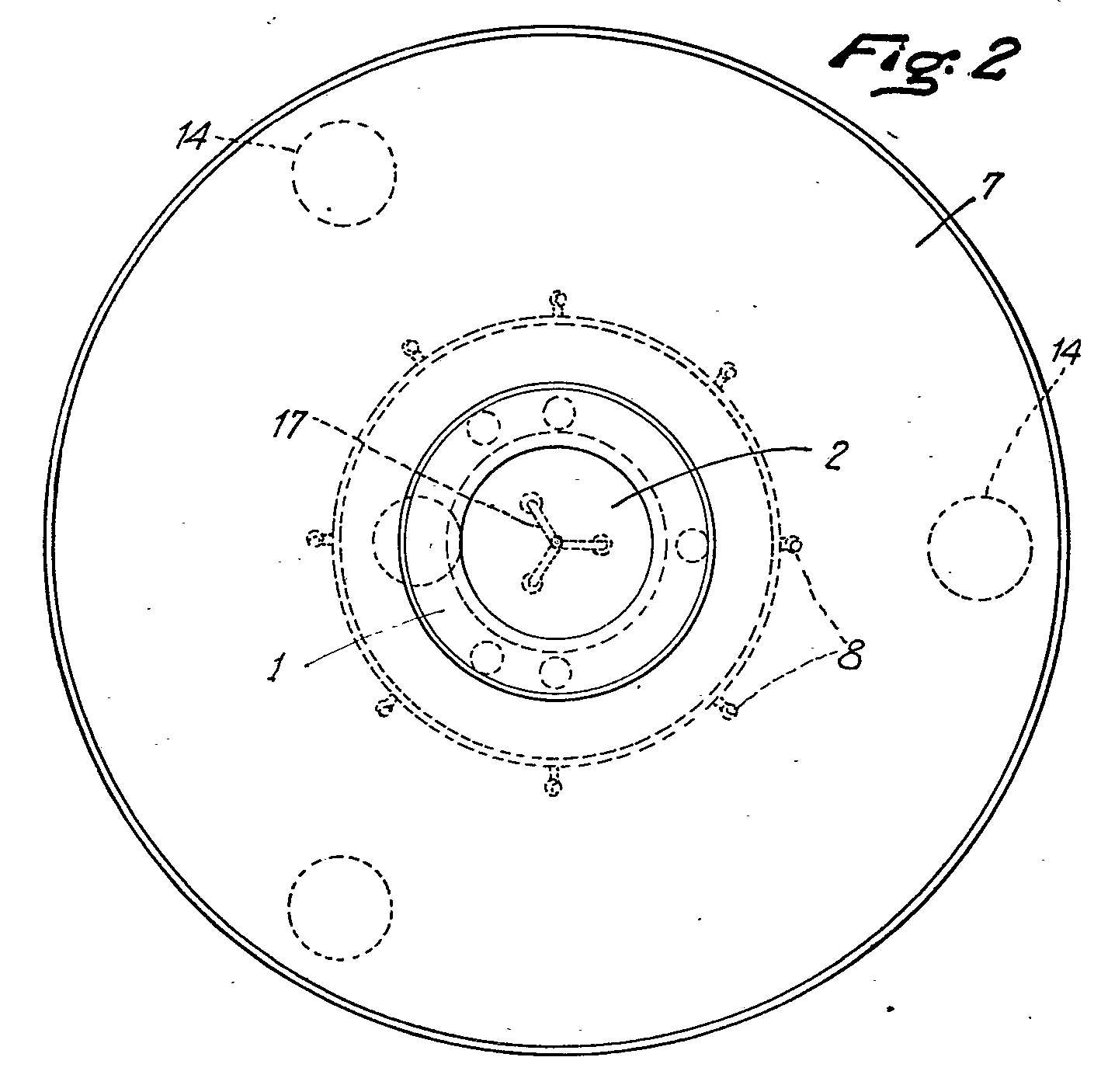
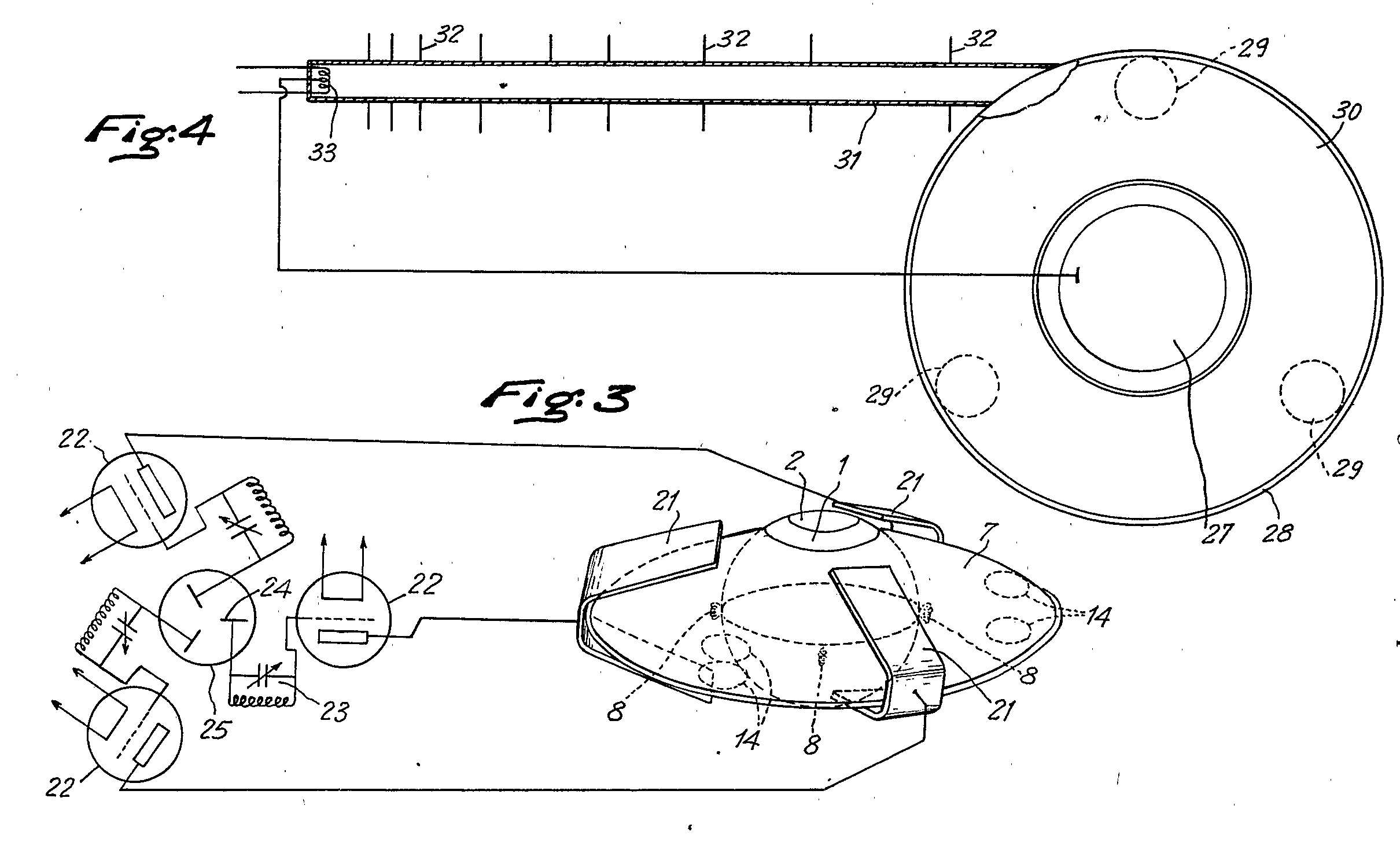
Pages proposes that a rotating electric field, generated by a high-velocity electron beam in a toroidal vacuum tube or by oppositely charged high-voltage mica discs, creates a new field that reduces effective mass (or weight). The effect is attributed to displacement of a hypothesized graviton gas and to cavitation of electron orbits, allowing lift without conventional propulsion.
Principles
- Rotating electric field at near-light speed
- High-voltage electrostatic charging of discs
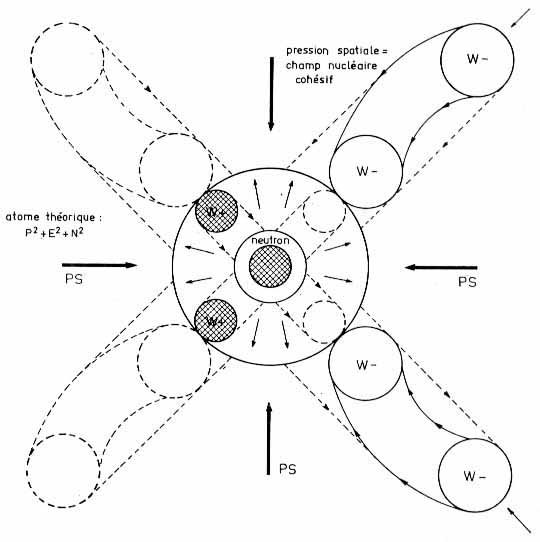
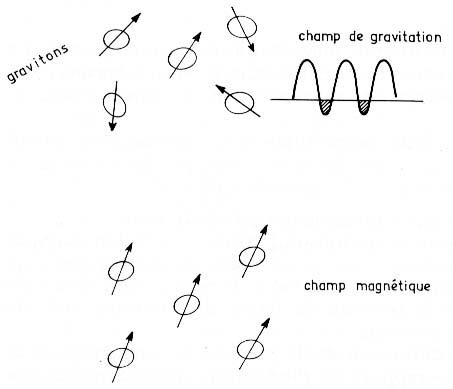
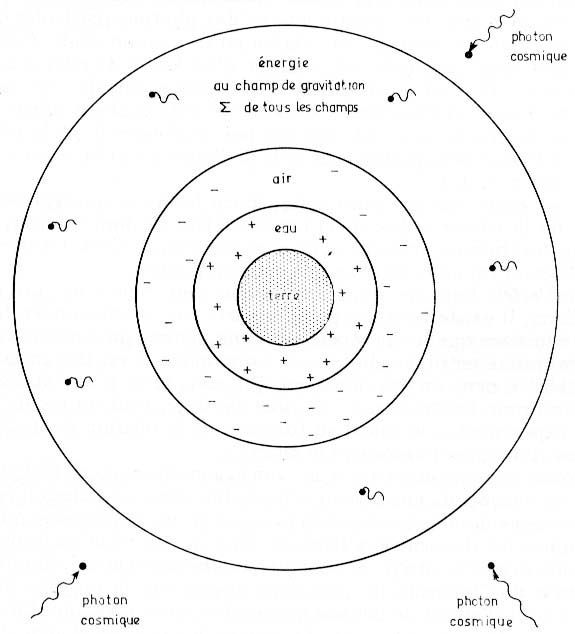
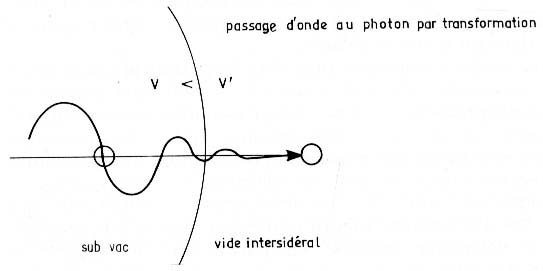
- Displacement of graviton gas
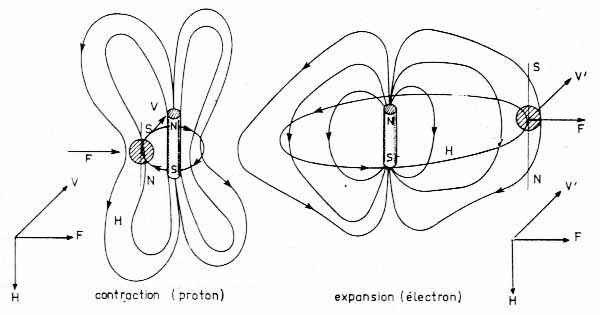
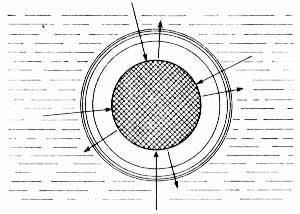
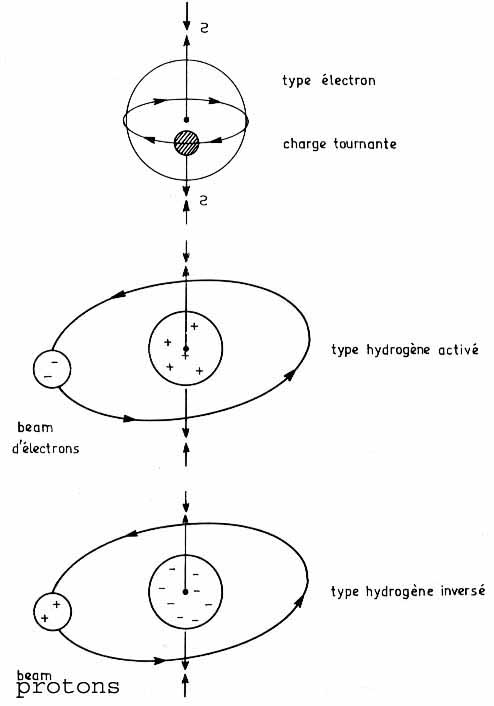
- Electron cavitation effect
Scientific Domains
Materials
- Mica
- Metal foil
- Vacuum
Mechanisms of Action
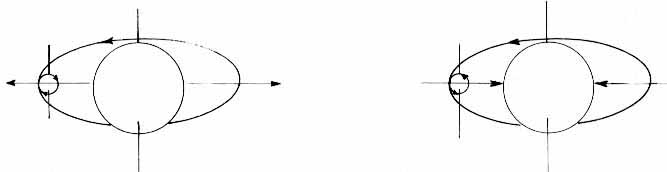
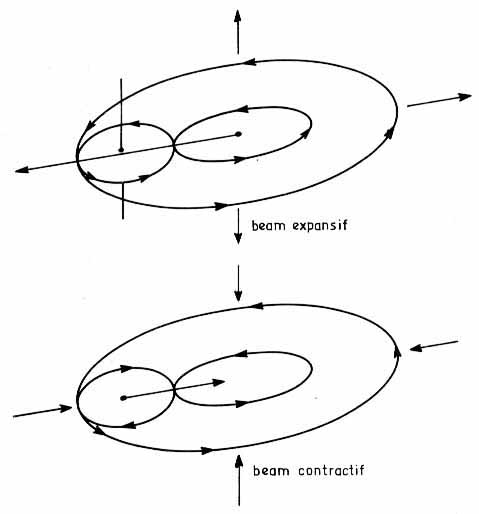
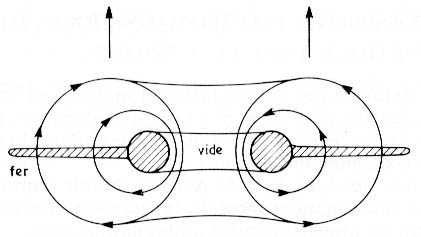
- Circulating electron beam in a toroidal vacuum chamber
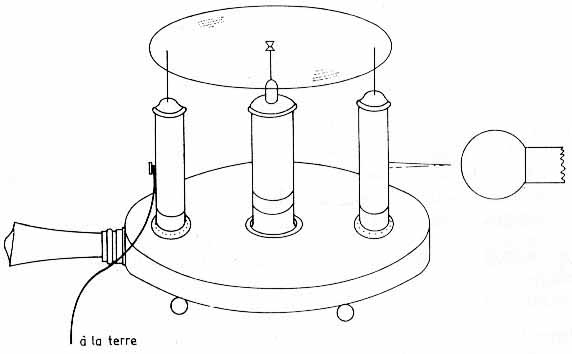
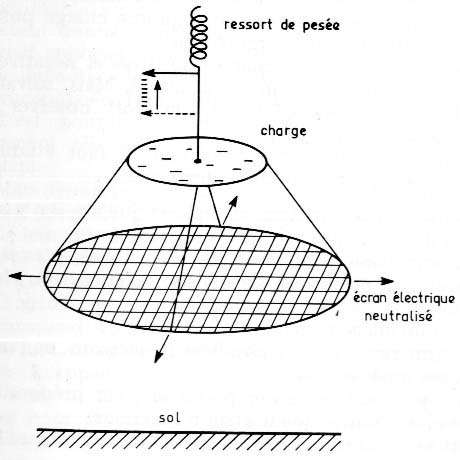
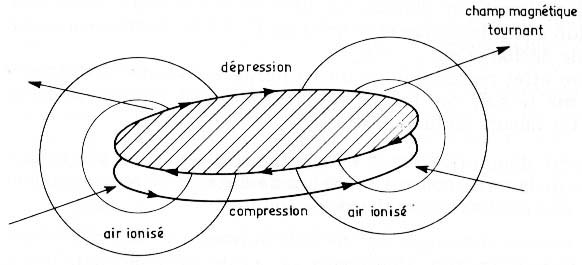
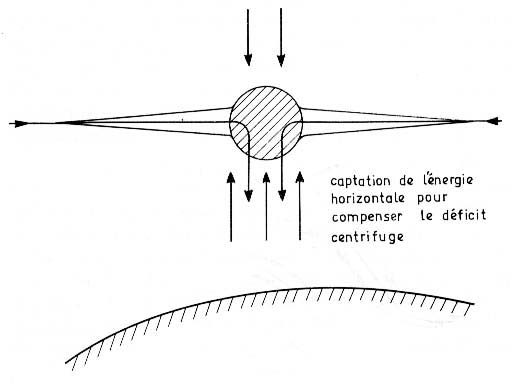
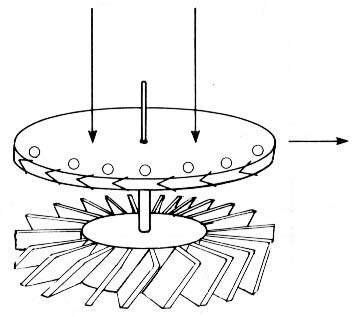
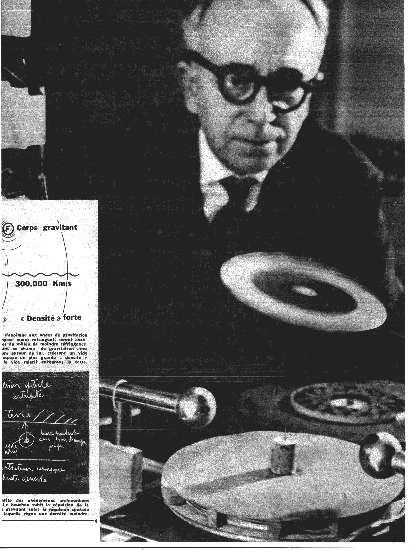
- Oppositely charged mica discs producing a lift force
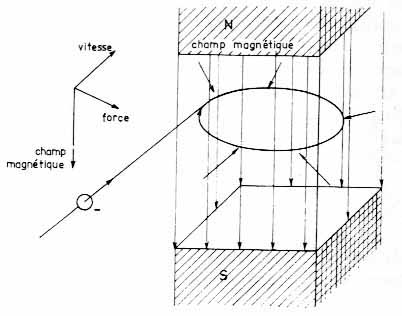
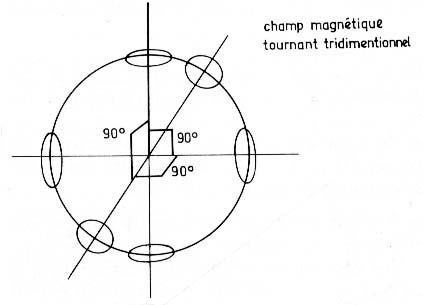
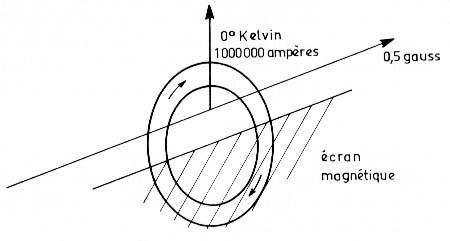
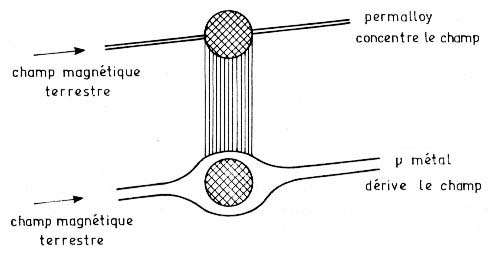
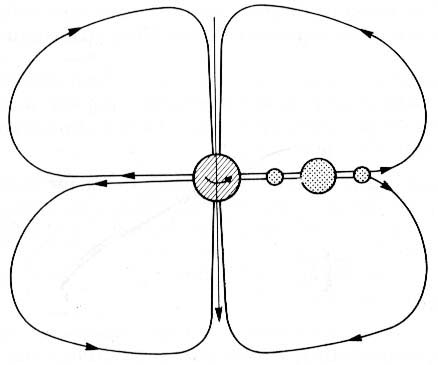
- Interaction of high-speed charge with magnetic field
Energy Sources
Applications
- Spacecraft propulsion
- Gravity shielding
Claimed Performance
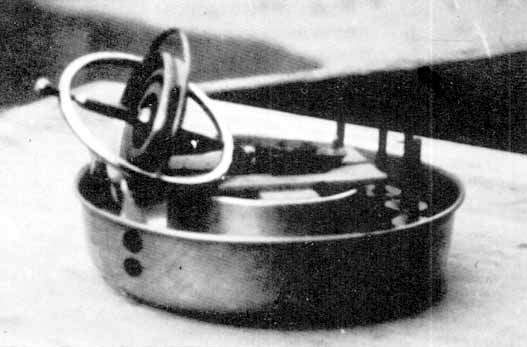
Weight loss of 5 g on a 14 cm mica disc assembly at 200 kV; lift off support at 300 kV; patent claims a 3000 A electron flow at 0.97 c in a 0.4 T field could counteract gravity for a 1000 kg mass.
Experimental Evidence
Observed sudden elevation of oppositely charged mica discs (5 g loss) and lift off at 300 kV; Kim (1994) reported experimental confirmation in the Journal of the Korean Physical Society.
Replication Status
Kim 1994 paper claimed experimental confirmation of the effect.
Limitations
- Lack of independent reproducible data
- Requires extreme high voltage and currents
- Theoretical basis (graviton gas) not accepted by mainstream physics
Red Flags
- Extraordinary claims without independent verification
- Theoretical concepts (graviton gas, cavitation) not supported by mainstream science
- Potential safety hazards due to high voltage and high-current electron beams