Goal
Selectively destroy dividing cancer cells while sparing normal tissue
Problem
Treatment-resistant brain tumors (glioblastoma) and other rapidly dividing cancers
Concept Summary
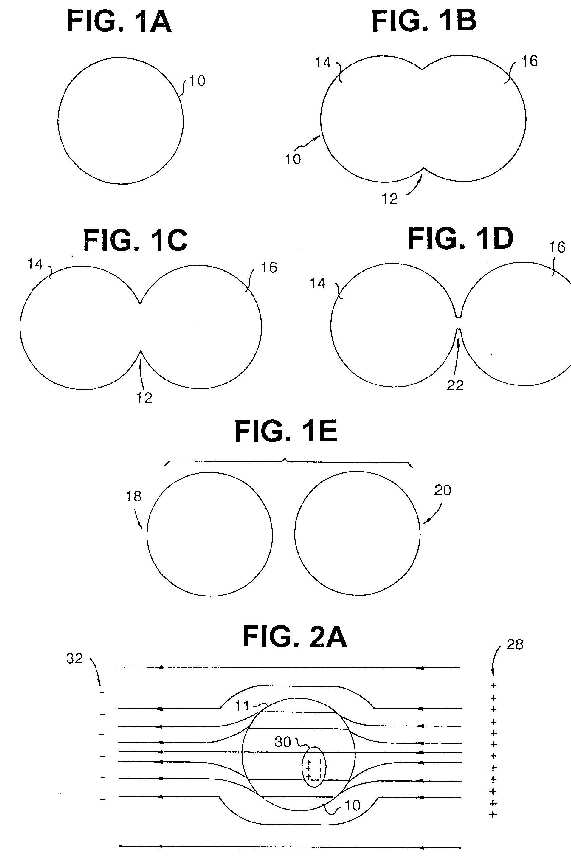
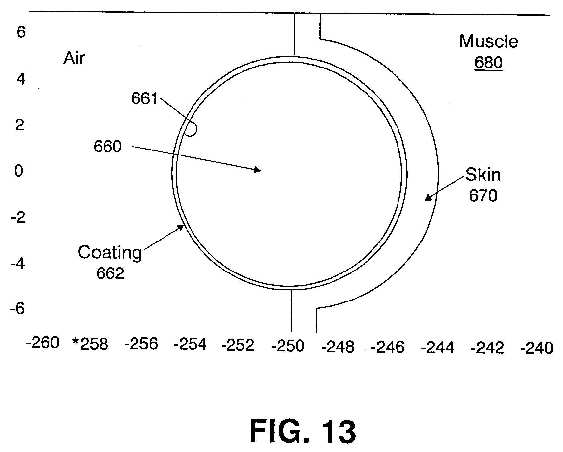
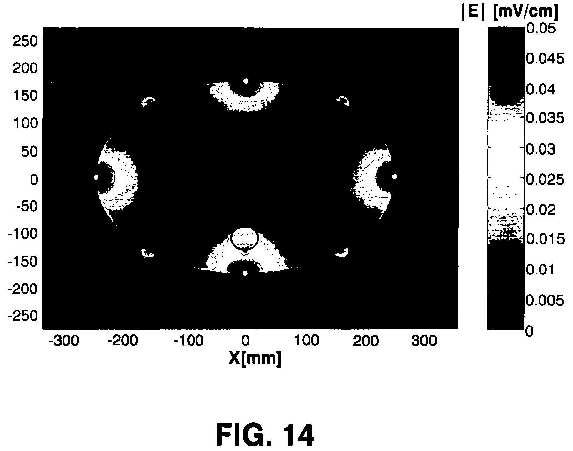
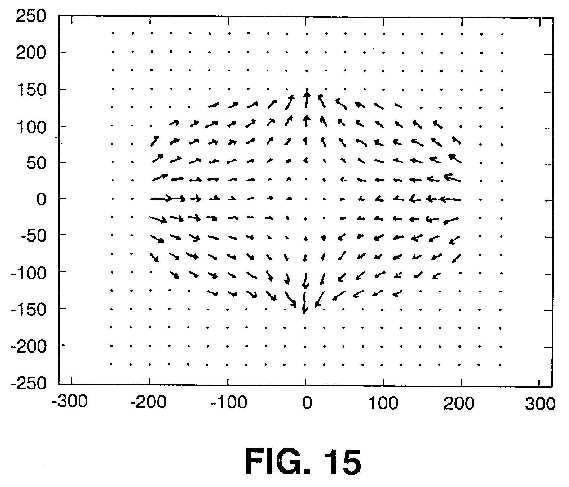
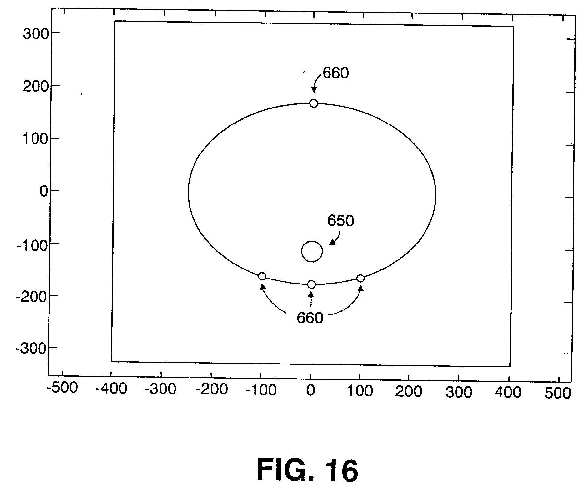
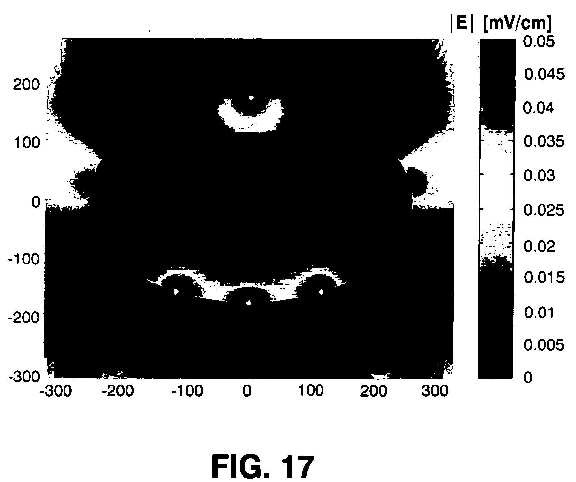
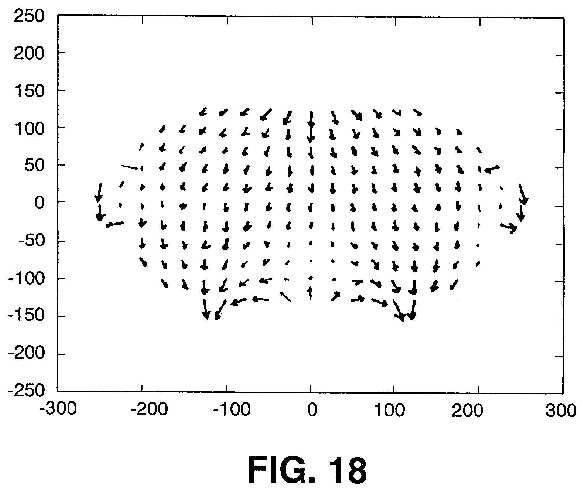
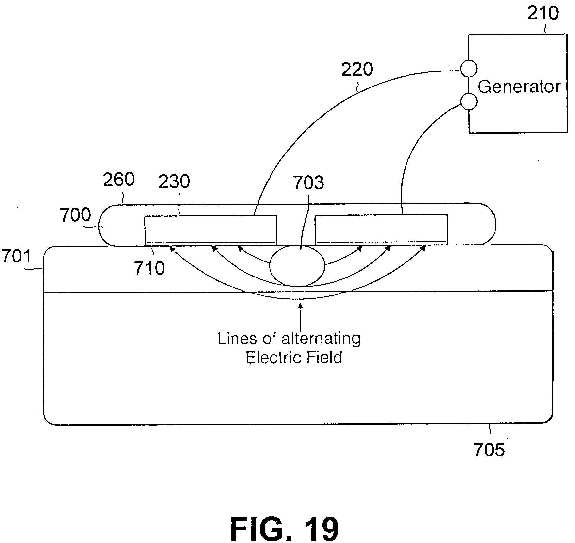
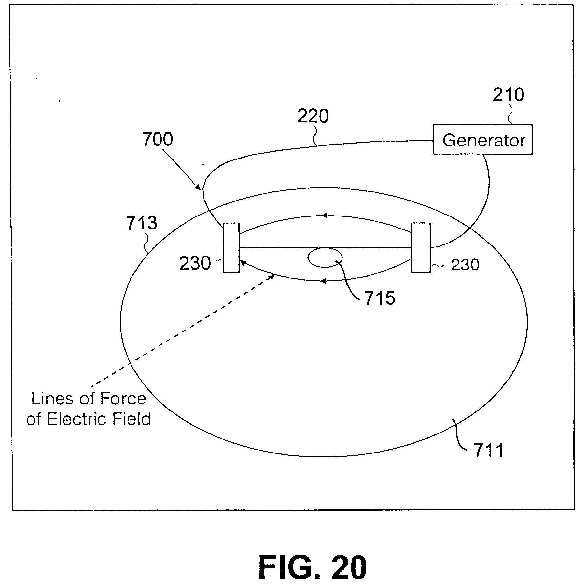
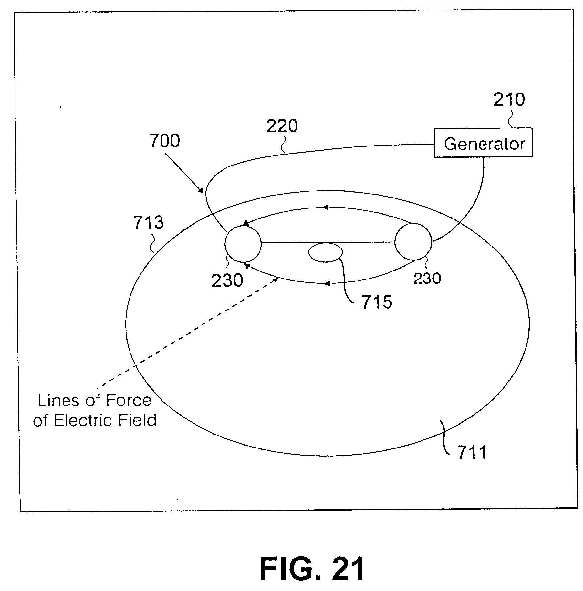
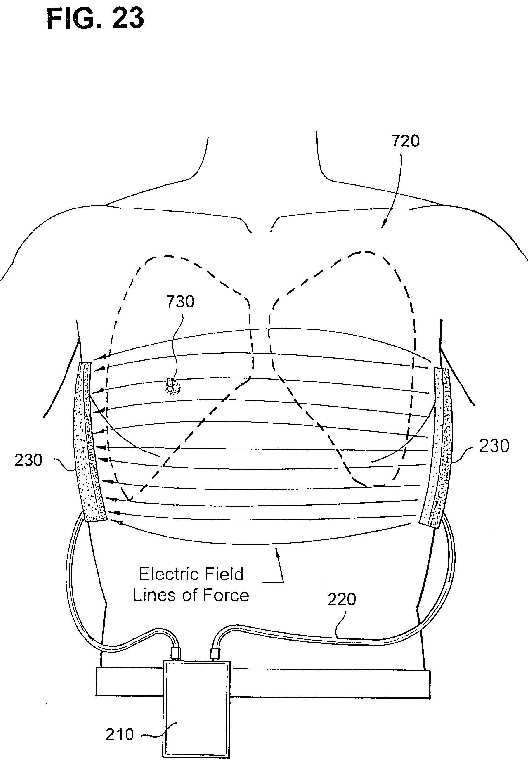
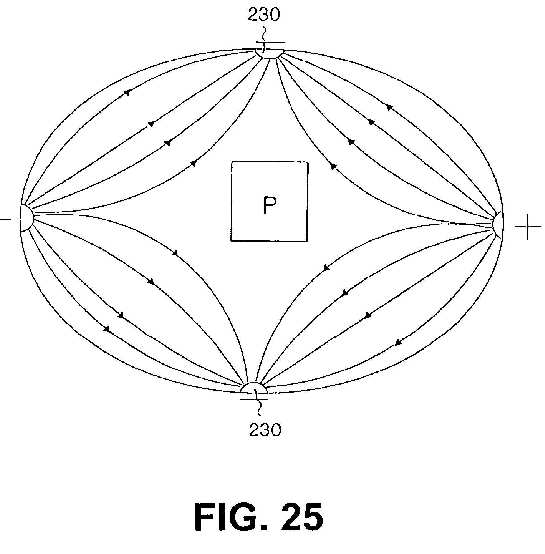
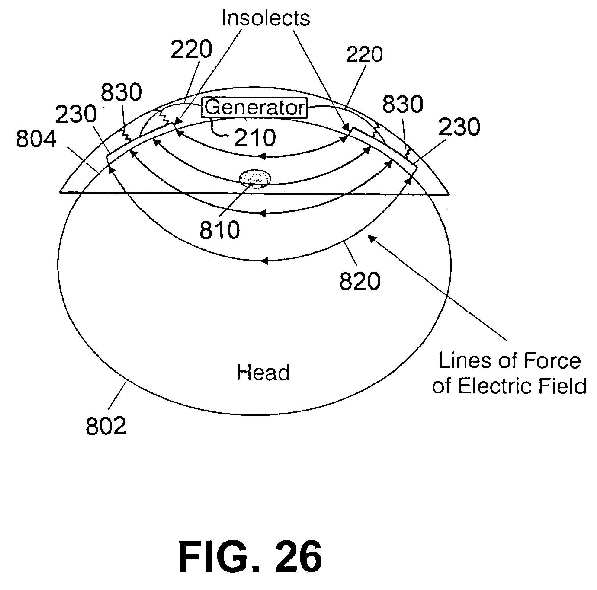
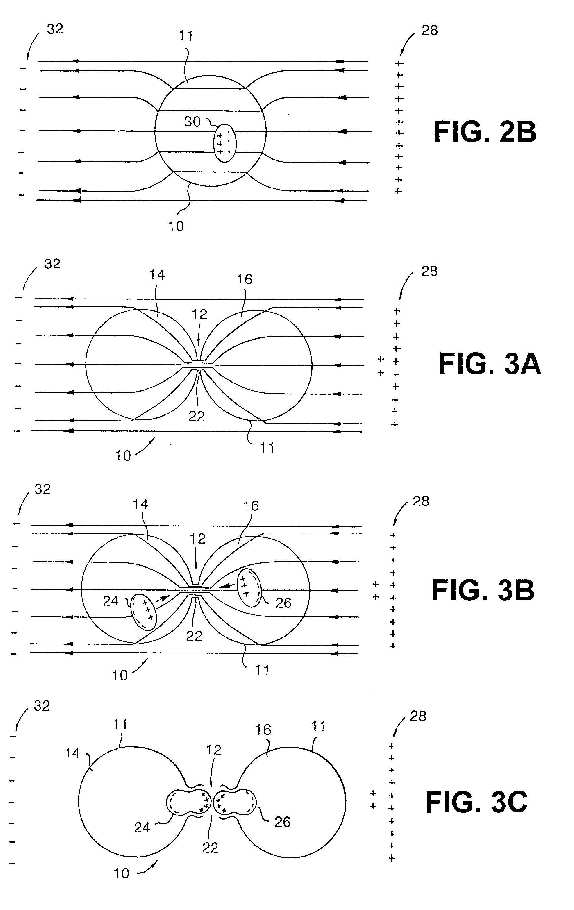
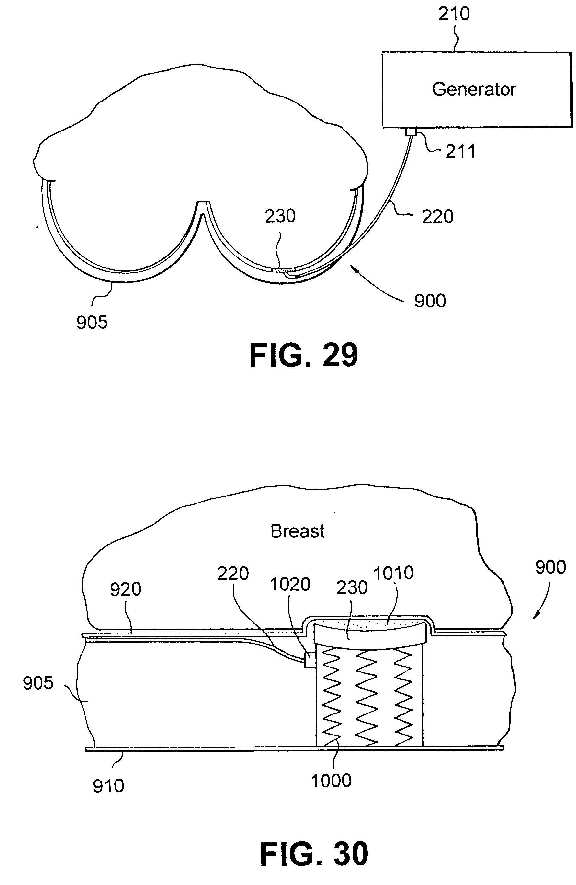
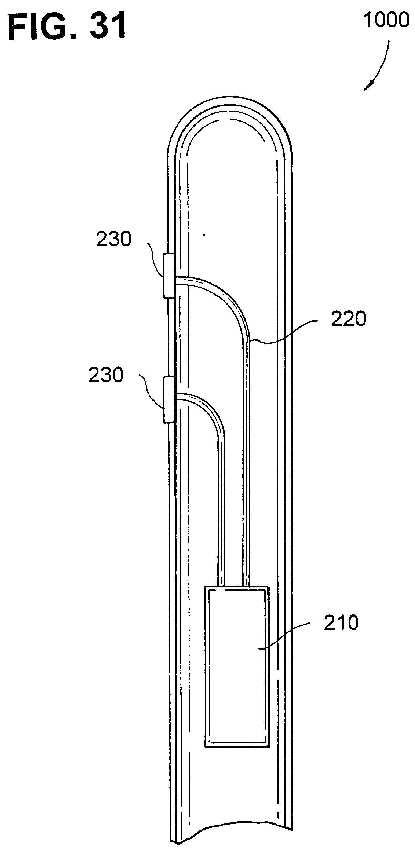
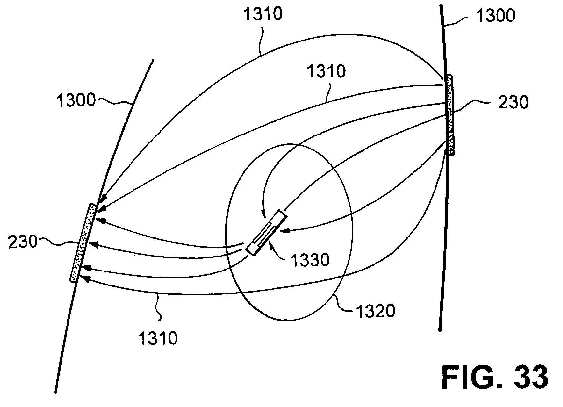
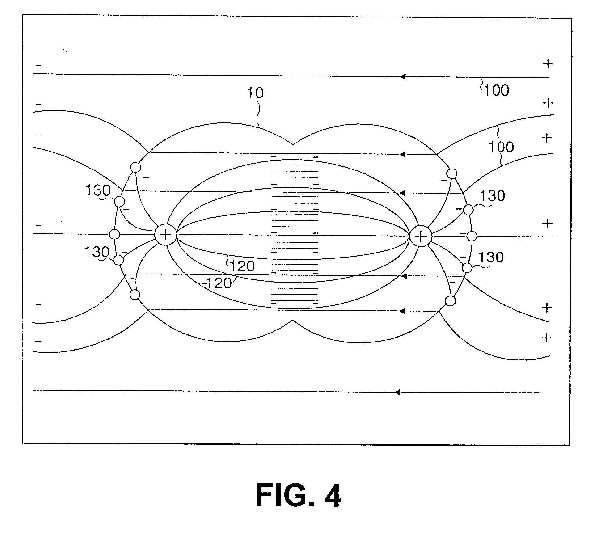
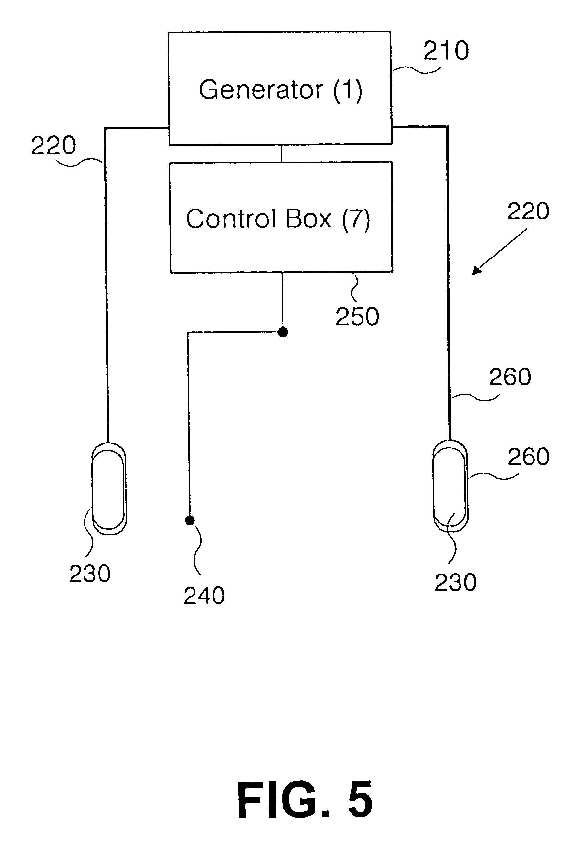
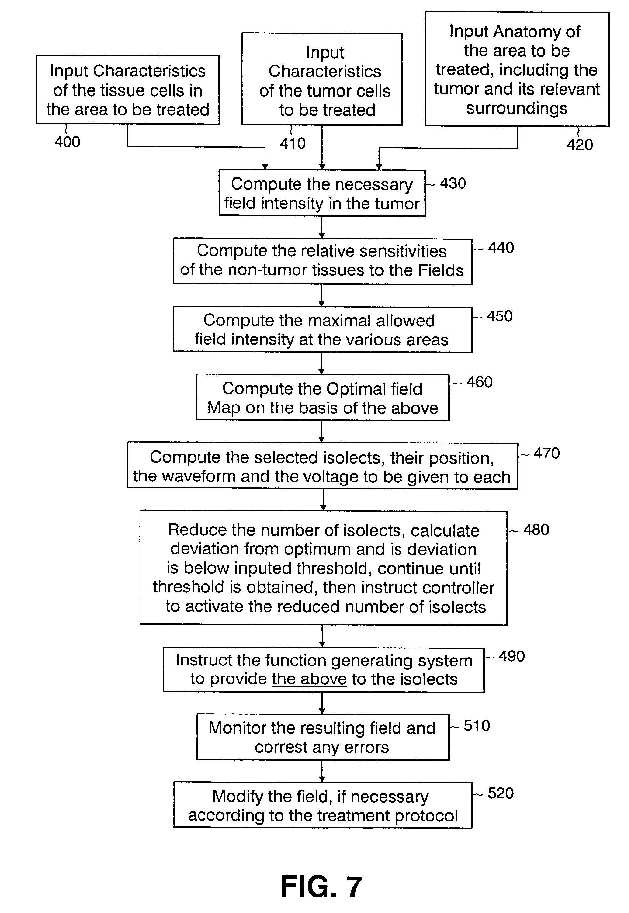
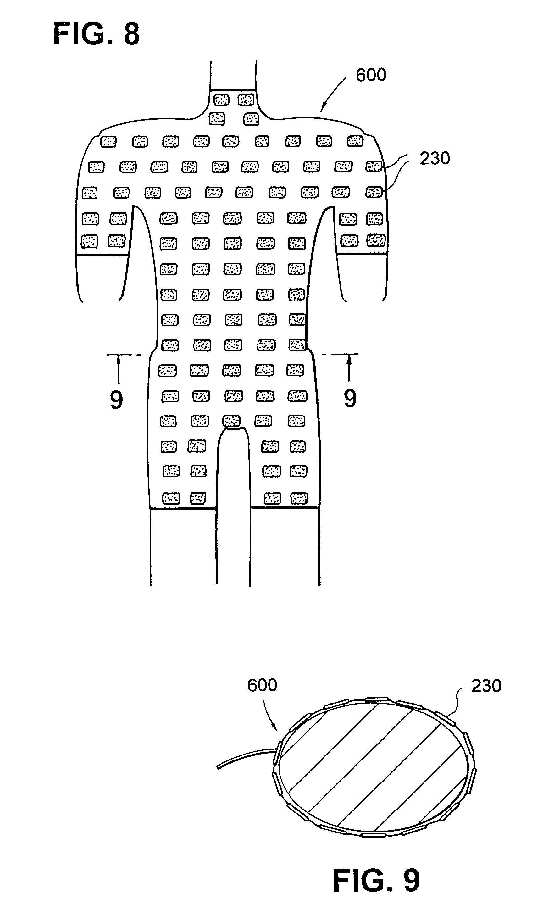
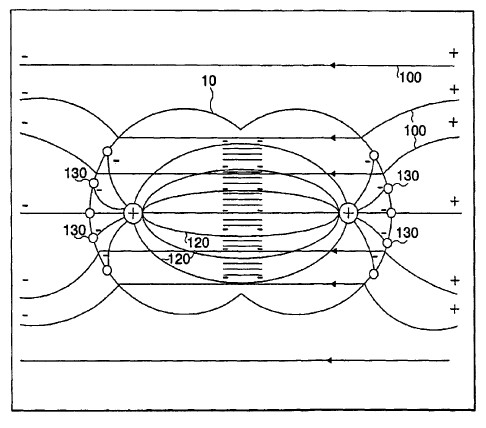
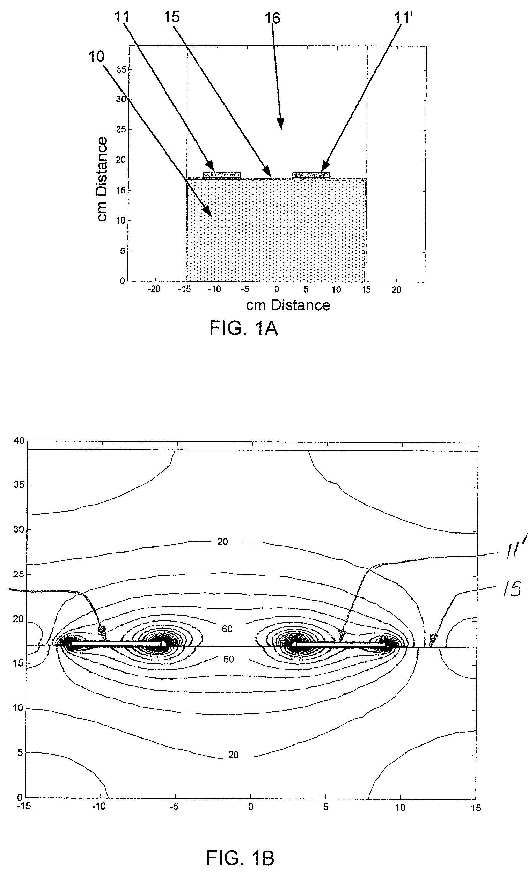
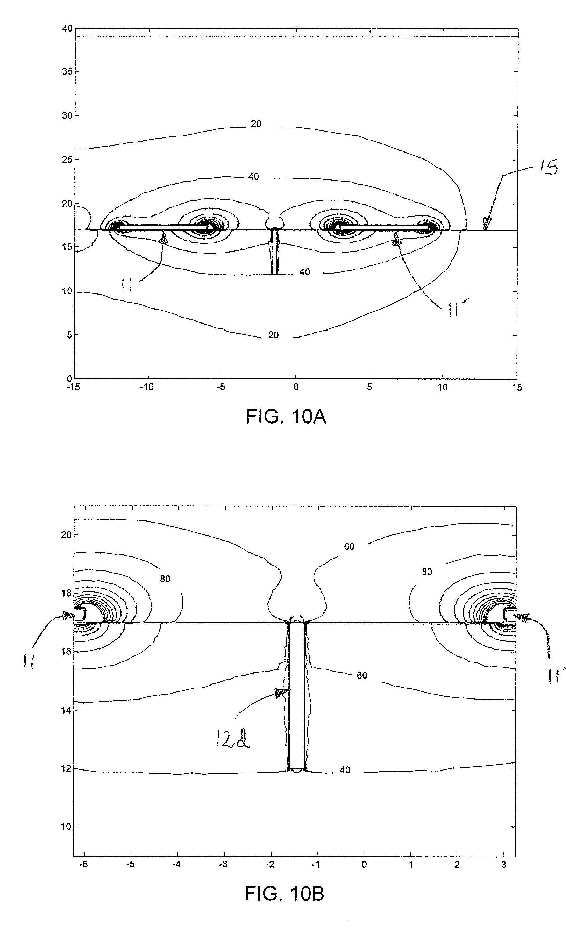
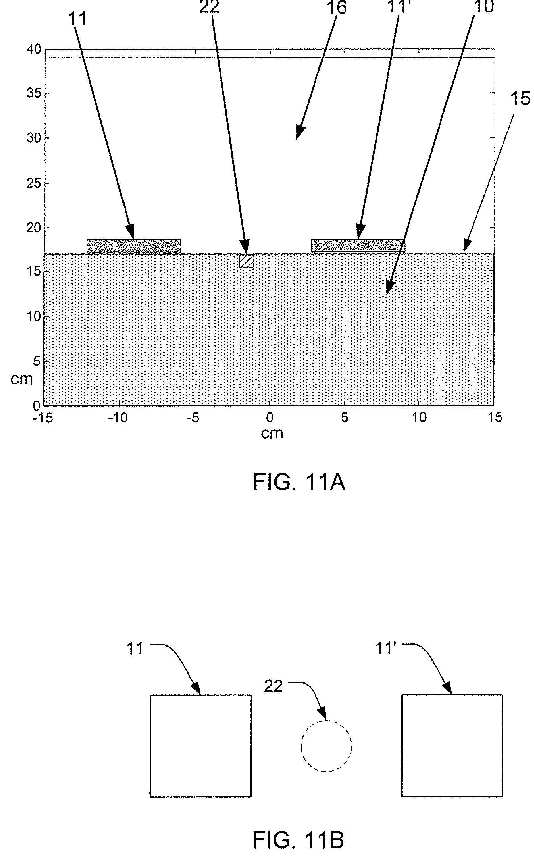
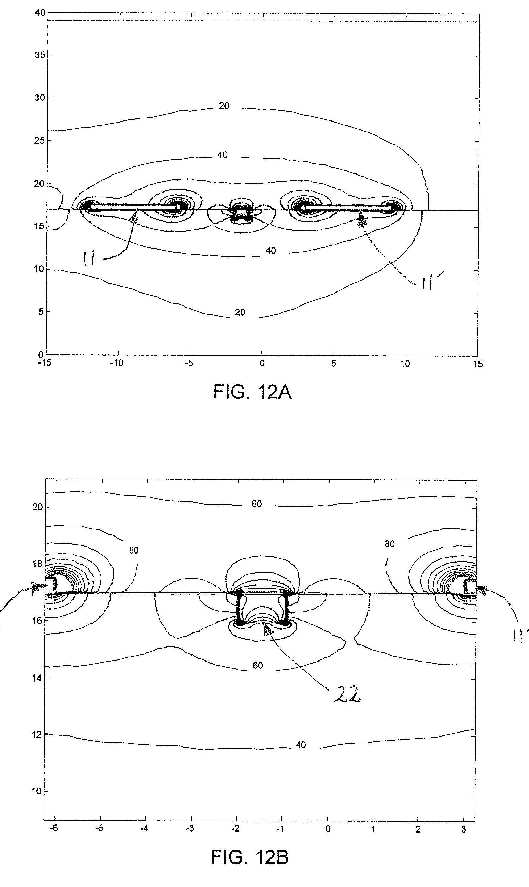
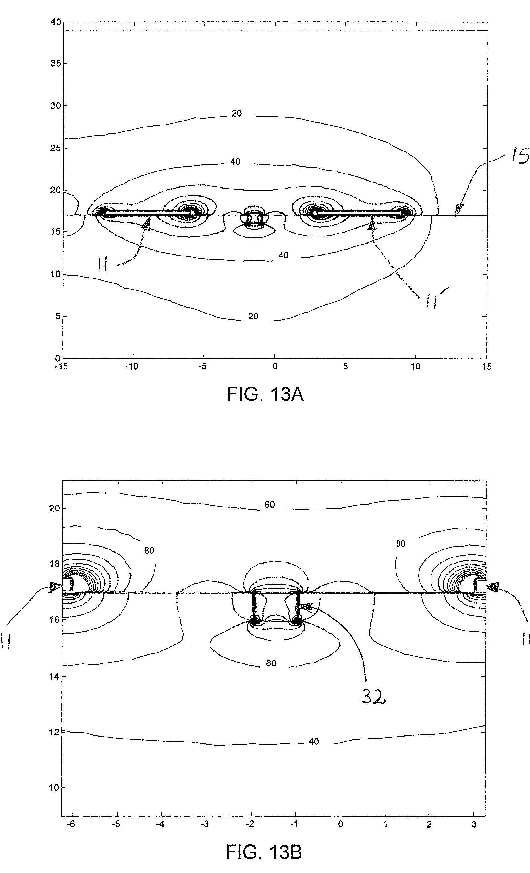
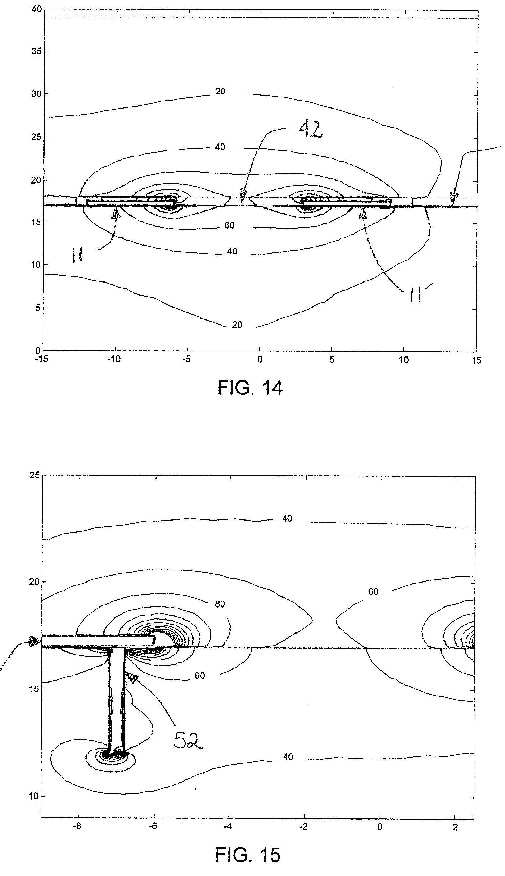
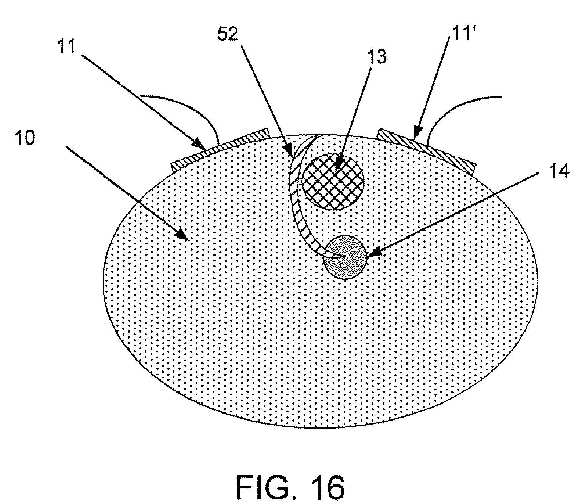
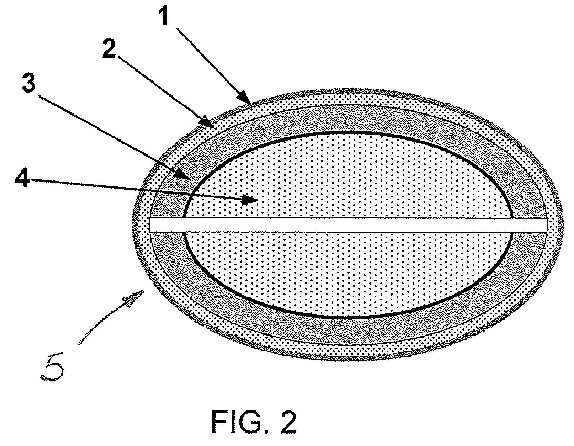
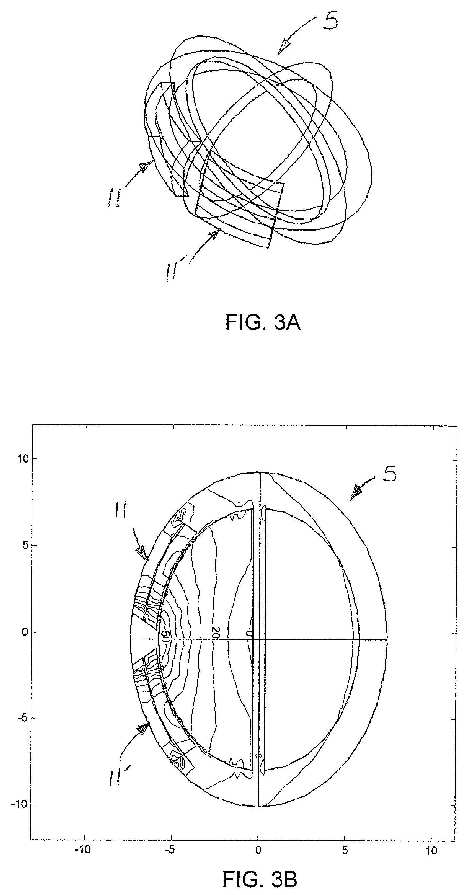
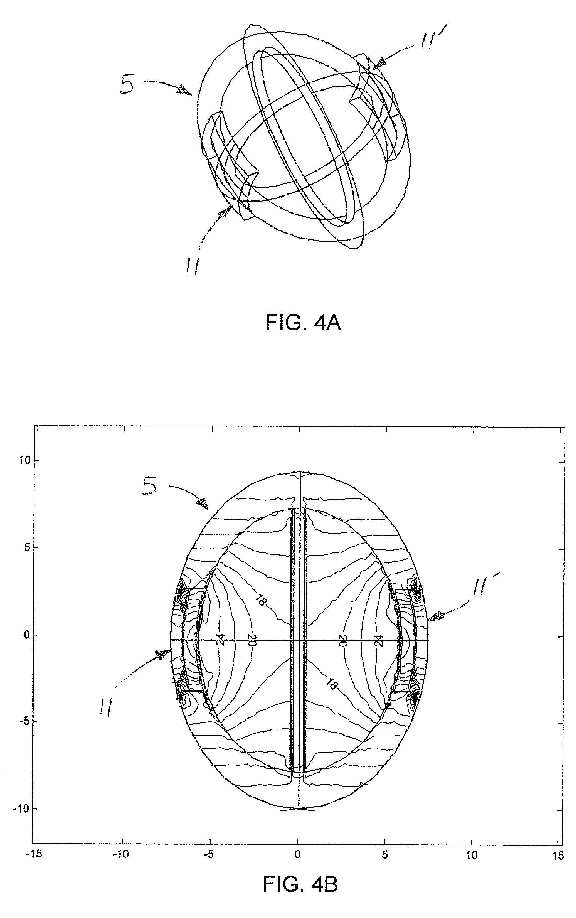
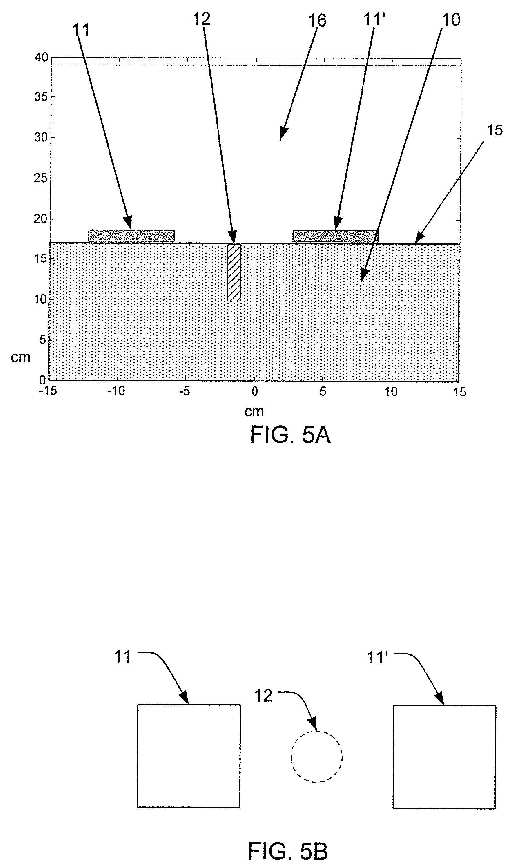
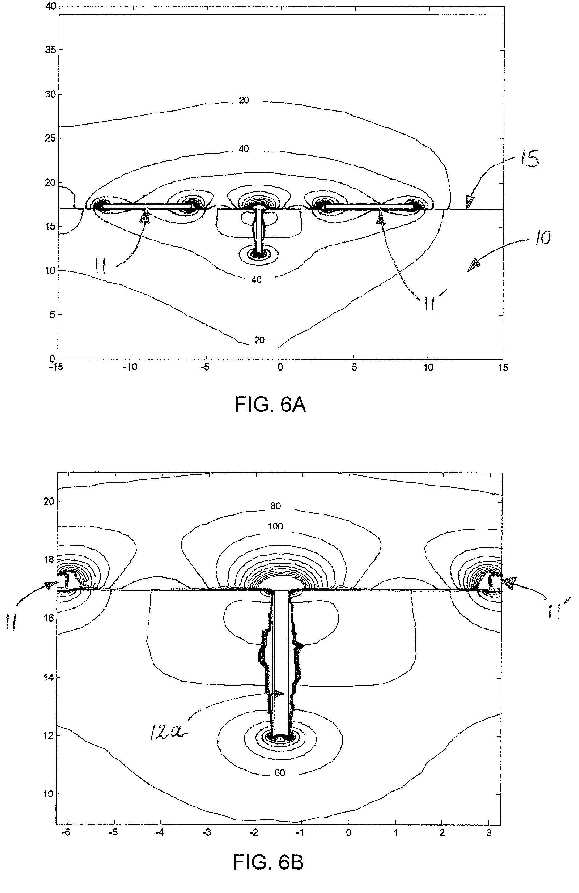
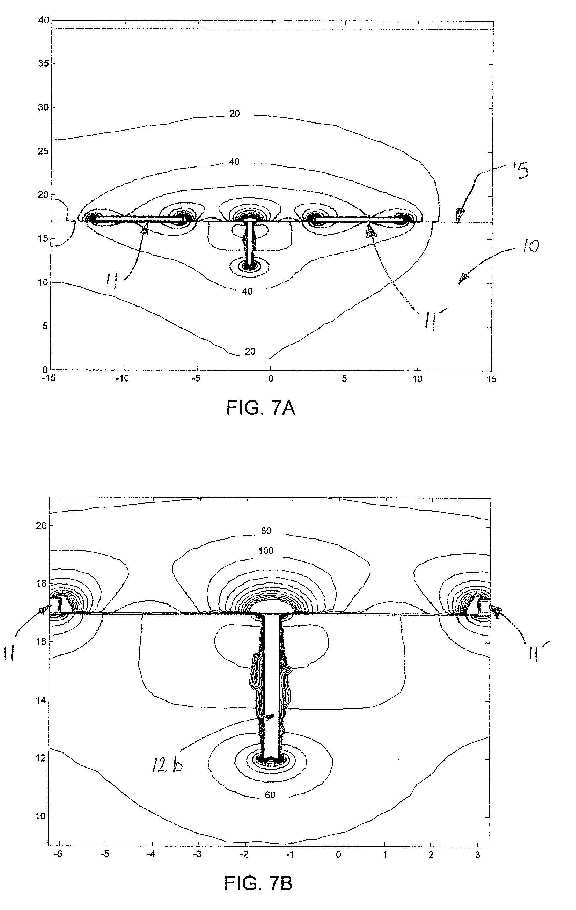
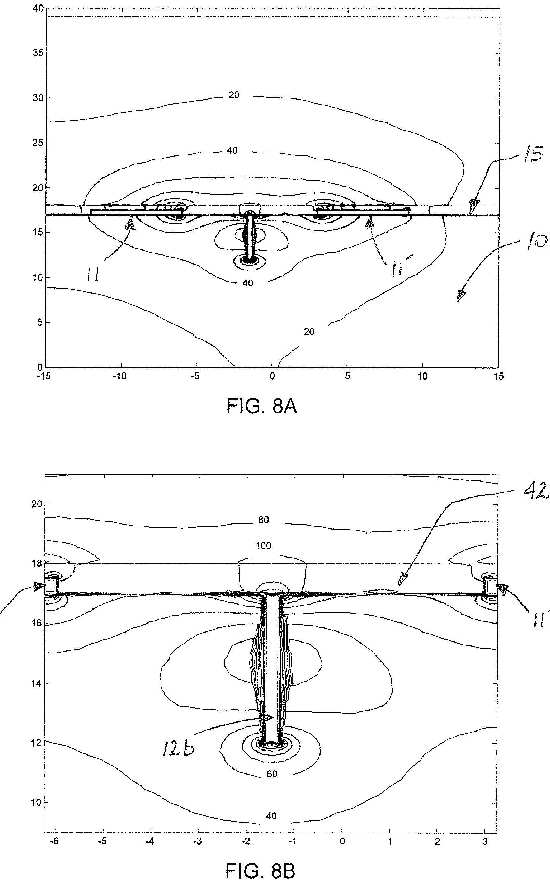
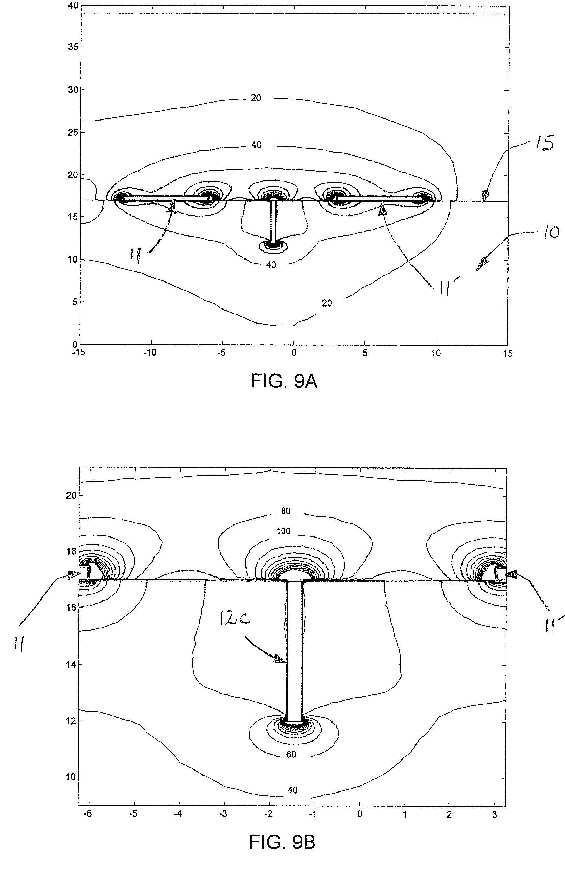
A medical device applies low-intensity, intermediate-frequency alternating electric fields to a patient's head (or other body region) via insulated electrodes. The non-uniform field concentrates at the narrow cleavage furrow of dividing cells, causing polarizable intracellular components to move and disrupt mitosis, leading to selective death of cancer cells.
Principles
- Non-uniform electric field concentration at cellular cleavage furrow
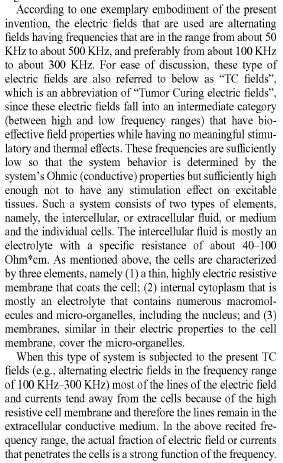
- Frequency-specific alternating electric fields (100-300 kHz)
- Selective vulnerability of rapidly dividing cells
Scientific Domains
Materials
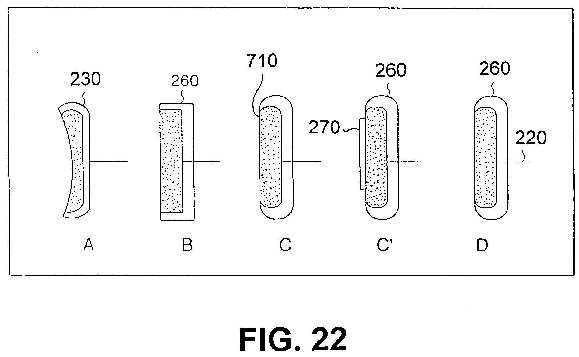
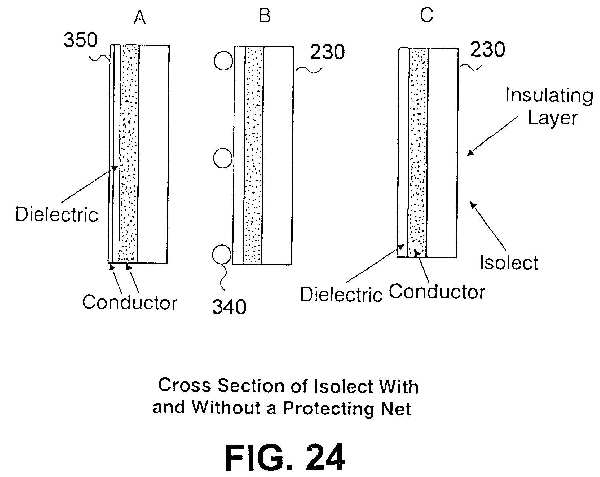
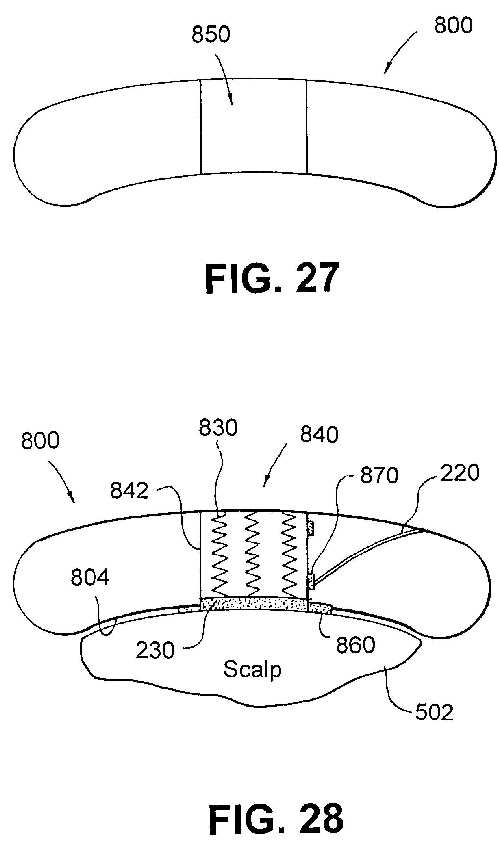
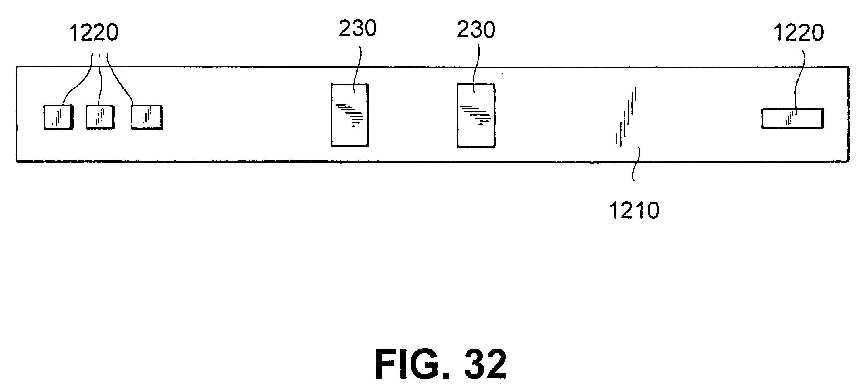
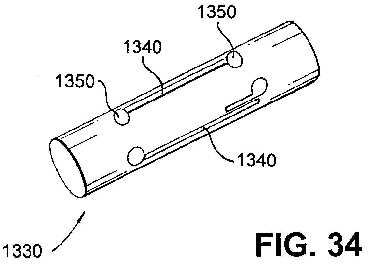
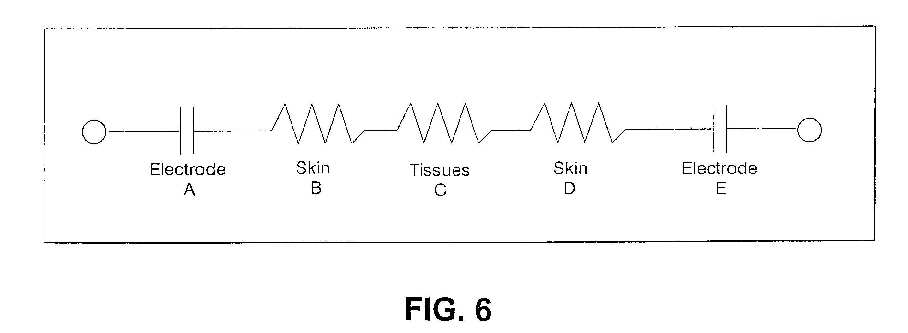
- Insulated electrodes
- Conductive substrate
- Thin dielectric coating
Mechanisms of Action
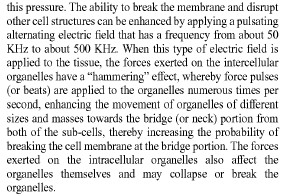
- AC electric field induces movement of polarizable intracellular members toward cleavage furrow
- Increased field density disrupts DNA and structural proteins during mitosis
- Dividing cells disintegrate while non-dividing cells remain intact
Energy Sources
Applications
- Treatment of glioblastoma
- Treatment of other solid tumors (e.g., breast cancer)
- Potential prophylactic use for high-risk patients
Claimed Performance
Killed cancer cells of every type tested in lab and animal studies; pilot clinical study of 10 glioblastoma patients reported one complete recovery and encouraging tumor-shrinkage results.
Experimental Evidence
Laboratory cell-culture experiments, animal tumor models, and a pilot human study (10 patients) with reported tumor response.
Replication Status
Late-stage clinical trials in the United States and Europe (Phase III).
Limitations
- Device must be worn continuously for weeks-to-months
- Effectiveness limited to tumors accessible to electrode placement
- Requires precise frequency and field-strength tuning