Goal
Provide safe, drinkable water from contaminated groundwater using sunlight and photocatalysts.
Problem
Groundwater contaminated with agrochemical residues, arsenic, hexavalent chromium, and other toxic substances affecting millions in India and other regions.
Concept Summary
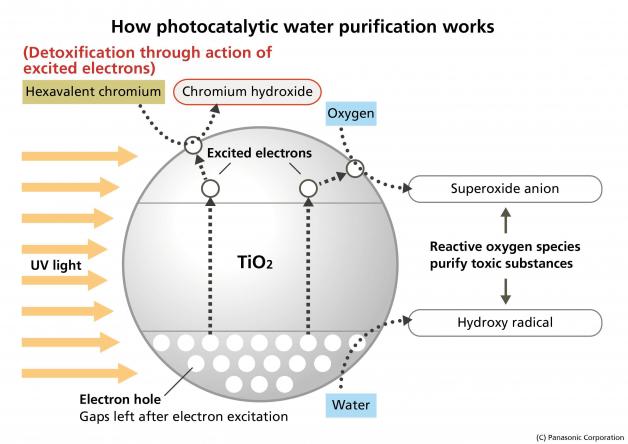
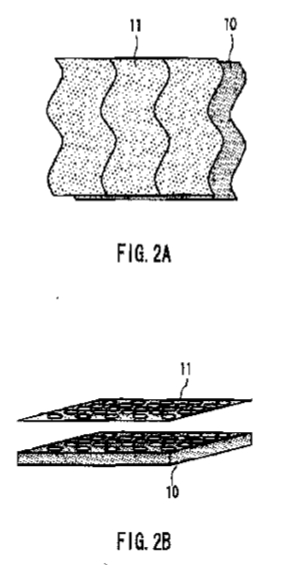
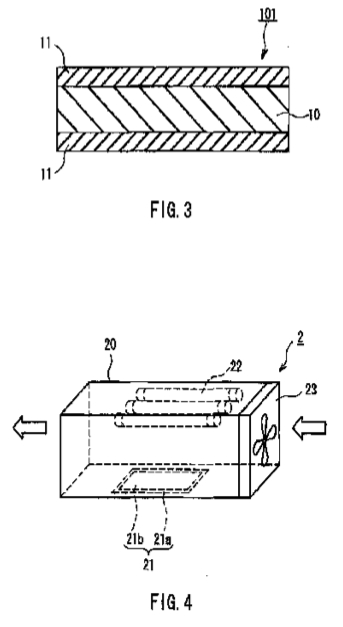
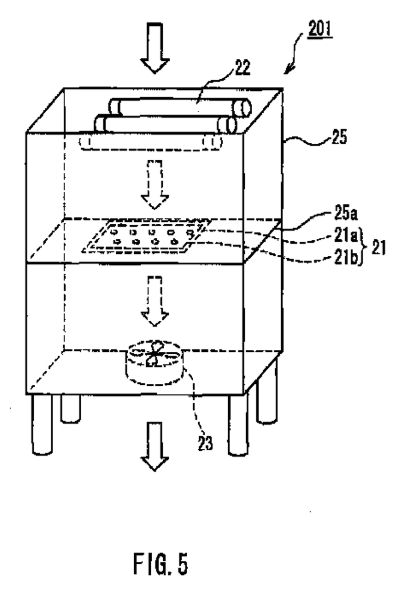
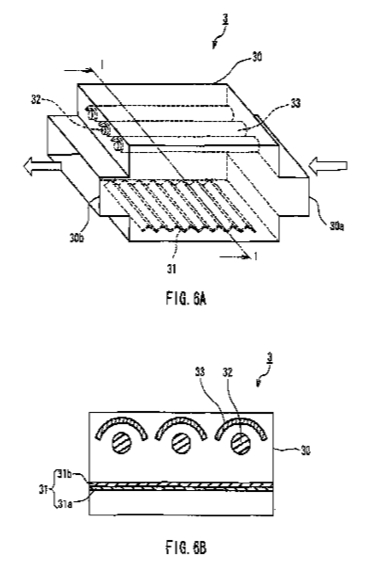
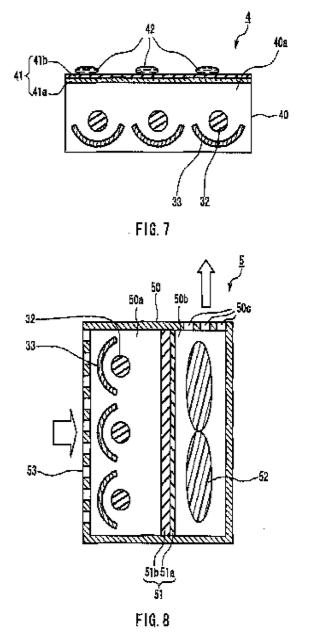
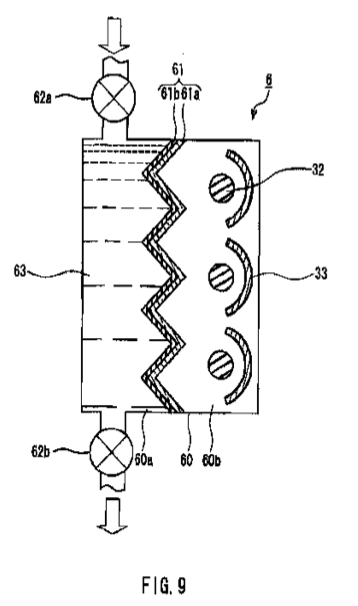
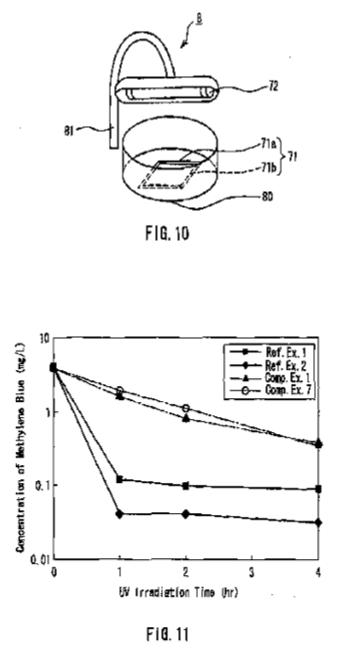
Panasonic's technology binds TiO_2 photocatalyst particles to zeolite via electrostatic forces, allowing the catalyst to be released into water under agitation, activated by UV sunlight (or UV lamps) to generate reactive oxygen species that oxidatively decompose toxic contaminants. After treatment the TiO_2 re-binds to zeolite for easy recovery and reuse.
Principles
- Photocatalysis
- Reactive oxygen species generation
- Electrostatic binding of catalyst to carrier
Scientific Domains
Materials
- Titanium dioxide (TiO_2)
- Zeolite
- Fluorine-containing halogen compound
- Phosphate oxo-acid
- UV lamp (light source)
Mechanisms of Action
- UV light creates electron-hole pairs in TiO_2
- Formation of hydroxyl radicals, superoxide, and hydrogen peroxide
- Oxidative degradation of organic pollutants, arsenic, chromium, etc.
- Reversible electrostatic attachment of TiO_2 to zeolite for catalyst recovery
Energy Sources
Applications
- Rural drinking-water supply
- Emergency water purification units
- Industrial water treatment
Claimed Performance
High processing speeds allowing large volumes of water to be treated quickly; effective removal of arsenic, hexavalent chromium, organic matter and microorganisms without chemical additives.
Experimental Evidence
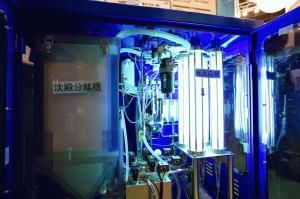
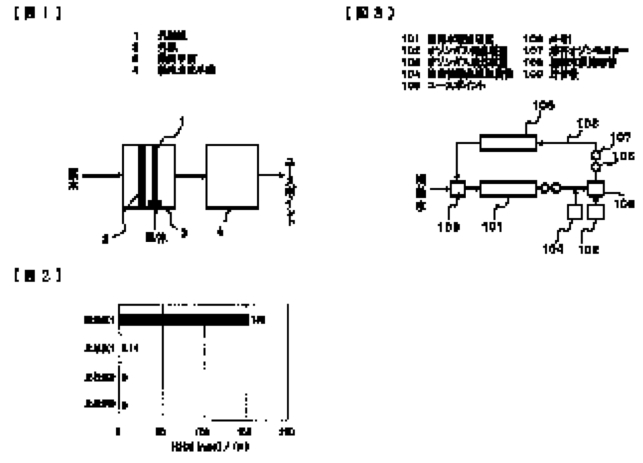
A demonstration machine was shown at Eco-Products 2014; measurement results of hydrogen peroxide generation in the system were reported in the patent documentation.
Replication Status
Demonstration performed; no independent replication or commercial scaling reported in the article.
Limitations
- Requires sufficient UV light intensity
- Potential catalyst loss if separation is incomplete
- Need for agitation and recovery equipment